
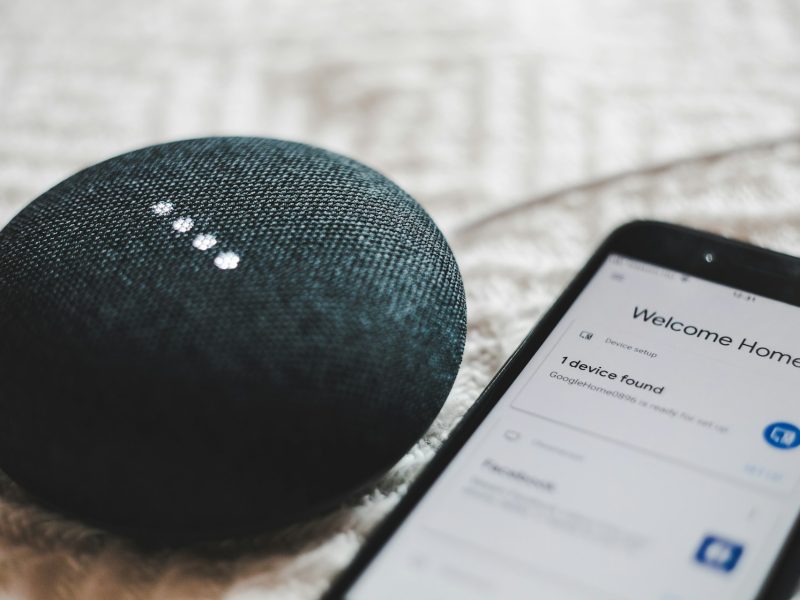
Families in 2026 want smart home devices that do more than just look flashy. They need reliability, safety, energy savings, and convenience. The best smart home devices are ones that integrate well, grow with the family, and work across platforms. This article covers what features to prioritize when choosing devices, plus a curated list of excellent smart home picks for family households.
What Families Should Prioritize in Smart Home Devices
The smart home device market has expanded so rapidly that the challenge for most families is no longer finding options but rather navigating an overwhelming abundance of them without making purchases that disappoint, duplicate, or fail to integrate with one another in the ways the marketing materials implied they would. Approaching this landscape with a clear set of priorities before making any purchasing decision is the discipline that separates a genuinely useful and cohesive smart home from a collection of independently functional gadgets that create as much friction as they eliminate.
Safety and security devices deserve the highest priority in any family-oriented smart home build because their failure modes carry consequences that go beyond inconvenience, making robustness, privacy architecture, and the reputation of the manufacturer’s data handling practices legitimate factors in the selection process rather than secondary considerations. A smart lock or security camera that offers impressive features but routes footage through servers with unclear data retention policies or that has a history of security vulnerabilities in its firmware represents a trade-off that families with children or elderly members should think carefully about before accepting.
Ease of use across the full spectrum of household members is a criterion that is easy to underweight during the purchasing process, when the person making the decision is typically a tech-comfortable adult evaluating the device from their own perspective rather than imagining how a seven-year-old, a grandparent, or a household member with limited technical confidence would interact with it daily. A device that requires navigating a multi-step app interface to perform a basic function, or that relies on voice commands phrased in specific ways that must be memorized, creates frustration and eventual abandonment rather than the seamless household integration that makes smart home technology genuinely valuable.
Platform compatibility and the Matter standard in particular have become increasingly important considerations as households accumulate devices from multiple manufacturers, as the ability of these devices to communicate with one another through a common protocol regardless of brand is what enables the automation and coordination features that represent the true value proposition of a smart home ecosystem rather than a collection of individually controlled devices.
Top Smart Home Categories & What Families Should Get
| Category | What to Look For | Why It Matters for Families |
| Smart Speakers / Hubs | Good sound, voice assistant support, privacy controls, multiple platforms | Acts as a command centre; useful for family routines, reminders, group control |
| Smart Thermostat / Climate Control | Learning ability, sensors in multiple rooms, integration with HVAC | Keeps everyone comfortable; saves on heating/cooling bills |
| Smart Locks & Doorbells | Video feed, two-way talk, temporary guest codes, real-time alerts | Safety for homeowners, easier to handle deliveries, guests, school pickups |
| Lighting & Smart Bulbs | Motion sensors, schedules, circadian lights, colour control | Helps with night routines, playtime, atmosphere; saves energy |
| Security Cameras & Sensors | AI detection (people/vehicle), cloud/local storage, privacy modes | Monitor kids, pets, yard; peace of mind when away |
| Automation Panels or Control Displays | Wall-mounted panels, touchscreen dashboards, scene presets | Makes control central and visible; easier for all members to use |
| Cleaning & Housekeeping Robots | Self-emptying bins, mop/vacuum combo, smart mapping | Saves time; helpful in busy homes with pets or many occupants |
| Smart Appliances | Energy-efficient behaviour, alerts, remote control | Convenience; reduces waste; helpful for meals, laundry, groceries |
Here are device categories that deliver the most benefit to families and what to look for in each.
Best Smart Home Devices for Families in 2026
Below are some of the best smart home devices for families in 2026, along with their strengths. Depending on where you live in Canada or BC, availability may vary, but these devices are known for their reliability, ease of use, and family-friendly features.
Elecbee NSPanel Pro Smart Home Panel
A wall-mounted panel that combines lighting control, thermostat display, voice commands, and smart scene presets. Ideal for families who prefer a central hub that doesn’t rely only on phones.
Google Nest Hub 2nd Gen Smart Speaker
Perfect for daily routines, this device displays calendars, plays music, supports video calls, and manages smart lights. It’s especially helpful for keeping family schedules organized and letting kids set reminders.
SONOFF NSPanel Pro Zigbee Gateway
This versatile controller works as both a hub and a gateway for sensors, lights, and other devices. It’s a good choice for families who plan to expand their smart home setup gradually.
Xiaomi Smart Home Hub 2
A budget-friendly hub that connects multiple wireless devices for a seamless experience. Families who want to start small and add more devices over time will find this option practical.
Amazon Echo Hub 8″ Smart Home Control Panel
A larger display hub designed for busy family spaces like kitchens or living rooms. It allows users to check cameras, manage scenes, and view reminders at a glance.
5-Inch In-Wall Smart Panel with Alexa
Built directly into the wall, this smart panel saves space and provides a dedicated control point. It’s easy for all family members to access without needing a smartphone.
Recent Product & Trend Highlights (2026)
The smart home landscape in 2026 reflects a meaningful maturation of the technology from novelty toward genuine household utility, with several product categories delivering capabilities that address real family needs rather than simply demonstrating what is technically possible. AI-enabled air conditioning systems that monitor room occupancy, humidity levels, and movement patterns represent a significant evolution beyond the simple schedule-based operation of earlier smart climate control, as these systems can respond dynamically to the actual thermal conditions and occupancy state of a space rather than following a predetermined program that may or may not reflect what is actually happening in the home at a given moment. The energy saving implications of this kind of responsive intelligence are meaningful, as a system that reduces output when a room is unoccupied and resumes full conditioning when occupancy is detected eliminates the substantial waste of conditioning empty spaces that fixed-schedule systems perform routinely. For families whose daily patterns are irregular or unpredictable, the adaptive quality of AI-driven climate control delivers both comfort and efficiency in ways that simpler systems cannot replicate regardless of how carefully their schedules are programmed.
Smart smoke and carbon monoxide detectors with smartphone integration address a genuine gap in conventional detector capability, as a standard alarm that sounds only within the home provides no protection to occupants who are asleep with bedroom doors closed, hard of hearing, or simply not present when a threat develops. The integration of these devices with smart speakers to deliver voice alerts throughout the home, combined with immediate push notifications to household members’ phones, creates a detection and notification system that is substantially more likely to reach every person who needs to be warned regardless of their location within or outside the property. Biometric smart locks using palm vein recognition represent an equally meaningful advance in access control for families, eliminating the vulnerability of codes that children share with friends and the inconvenience of physical keys that are lost, forgotten, or simply too numerous to manage across a busy household. Smart lighting systems with Matter compatibility, multi-zone control, and circadian rhythm scheduling round out the 2026 trend picture by addressing the intersection of atmosphere, routine support, and genuine physiological benefit that well-designed lighting can deliver when it is integrated thoughtfully into the rhythms of daily family life.
Choosing What’s Right for Your Family
Here are some guiding questions and choices families should consider:
- Ecosystem compatibility
- Are most of your devices or phones tied to Amazon Alexa, Google, or Apple?
- Is Matter support important so devices from different brands work together more easily?
- Where control should be located
- Do you want central panels (in wall or stand-alone) or mostly phone & voice control?
- What about visibility in common spaces (kitchen, living) versus bedrooms?
- Privacy & safety concerns
- How are video cams, doorbells, locks protecting your data? Local storage or strong encryption?
- Do devices provide features like geo-fencing, presence detection so alerts are relevant?
- Energy & cost savings vs upfront cost
- Smart thermostats might cost more initially but save on heating/cooling.
- LED smart lighting also helps reduce electricity bill.
- Factor in subscription costs for cloud storage or advanced AI features.
- Scalability
- If a child grows up, or needs of the family change, can you add sensors or devices without replacing everything?
Possible Drawbacks & What to Avoid
The enthusiasm that accompanies smart home technology adoption frequently outpaces the careful evaluation of its limitations and failure modes, and families who invest significantly in connected devices without considering these pitfalls can find themselves with a system that is less reliable, less private, and more expensive to maintain than they anticipated at the point of purchase. Ecosystem lock-in is perhaps the most consequential long-term risk in smart home investment, as devices that operate exclusively within a single manufacturer’s platform create a dependency that limits future flexibility and can leave an entire system stranded if the manufacturer discontinues the product line, ends software support, or is acquired by a company whose approach to privacy and data handling differs significantly from the original.
The Matter standard has emerged specifically to address this fragmentation by enabling cross-platform compatibility at the protocol level, and prioritizing Matter-certified devices where they are available is the most effective strategy for building a smart home that remains flexible and interoperable regardless of how the broader market evolves. Security vulnerabilities in connected devices represent a risk category that receives less attention than it deserves in consumer-facing smart home marketing, as every internet-connected device in a home is a potential entry point for unauthorized access to the household network and, through it, to other devices and data on that network.
Manufacturers address these vulnerabilities through firmware updates that patch discovered security flaws, but the protection these updates provide only reaches devices that are actually updated, making the habit of keeping all smart home device firmware current a genuine security practice rather than merely a feature enhancement routine. Subscription fees that accumulate across multiple smart home services can quietly erode the financial case for connected devices that appeared straightforwardly cost-effective at the point of hardware purchase, and evaluating the full lifetime cost of a device including any required subscription tiers is an important part of the purchase decision that product marketing rarely makes easy to assess.
Automation systems that lack manual override capability and graceful degradation modes for power outage and connectivity loss scenarios create household dependencies that become genuine problems during exactly the conditions under which reliable basic home function is most important.
Benefits for Families
When smart home technology is selected thoughtfully, installed correctly, and maintained consistently, the benefits it delivers to family households are genuine, varied, and compounding in ways that make the ecosystem progressively more valuable as it grows and as household members develop comfort and fluency with its capabilities. The safety dimension is perhaps the most immediately justifiable benefit, as smart locks, cameras, smoke detectors, and carbon monoxide alarms collectively create a monitoring and response capability that goes meaningfully beyond what conventional equivalents provide.
A parent who receives an immediate smartphone notification when a child arrives home from school, who can verify via a doorbell camera that a delivery person is legitimate before remotely unlocking the door, and who is alerted to a smoke detector activation while away from the home has access to a quality of situational awareness about their household that simply did not exist as a consumer technology a decade ago. These capabilities translate directly into reduced anxiety and faster response times in the situations that matter most, which is precisely the kind of outcome that justifies the investment in connected safety infrastructure.
The convenience and routine-support benefits of a well-integrated smart home accumulate in the texture of daily family life in ways that are harder to quantify but genuinely significant in their effect on household stress and efficiency. Automated lighting that adjusts gradually to support a consistent wake-up routine for children, thermostats that have learned the household’s weekly schedule and prepare the home to the right temperature before anyone asks it to, and reminders delivered through smart displays that keep busy families coordinated across multiple schedules and commitments are all forms of quiet support that reduce the cognitive load of household management in ways that become more appreciated the more consistently they operate.
Energy savings delivered through smart climate control, intelligent lighting, and connected appliance management contribute to the financial case for the ecosystem in a form that appears concretely in monthly utility bills, while the peace of mind that comes from being able to check on the home remotely, receive alerts about developing issues, and control systems from anywhere in the world represents a quality-of-life benefit that is difficult to assign a dollar value to but that families who have experienced it consistently describe as one of the most valued aspects of their connected home.
Final Thoughts
For families in 2026, the best smart home devices are those that balance safety, convenience, and cost. Devices like smart panels, reliable hubs, modern thermostats, smart locks, and enhanced lighting help build a home that’s not just “smart” but truly supportive. If looking for trusted contractors or experts to help with installation (smart systems often need solid wiring, setup, or network security), Home Services BC is a go-to resource. They connect homeowners with electricians, tech installers, and smart home specialists across BC.
Curious which smart devices will make the biggest difference for your family’s daily life? Start by listing your top priorities, security, energy savings, ease of use, then explore these recommendations. And when you’re ready, visit Home Services BC to find reliable installers or support to bring your smart home vision to life.
Comments