
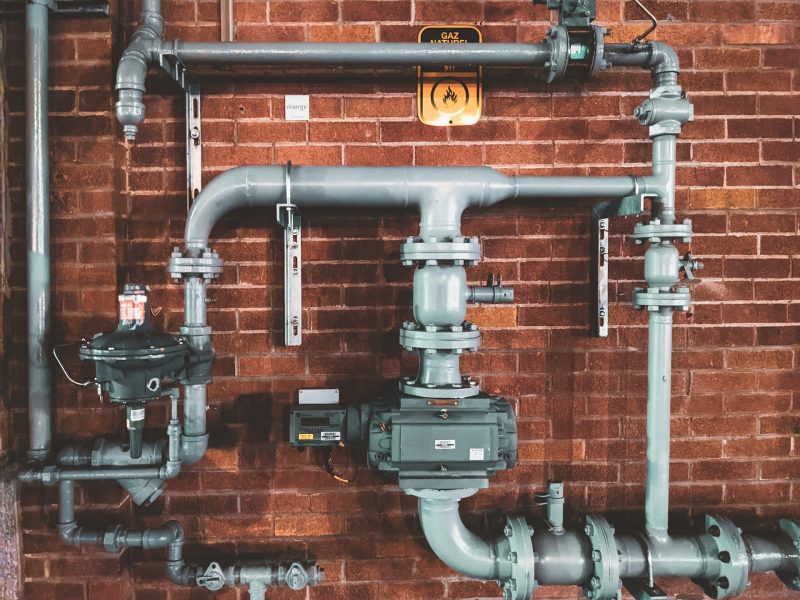
Plumbing systems are essential to modern homes, but they also come with risks if not handled properly. From gas fittings to water heaters, safety should always be the top priority. Following plumbing safety best practices not only protects a household from accidents but also ensures systems run efficiently for years to come.
This guide covers the importance of plumbing safety, focusing on gas fitting and water heater care. By learning key tips and working with professionals, homeowners can enjoy safe, reliable, and worry-free plumbing.
Why Plumbing Safety Matters
Plumbing safety goes beyond keeping pipes in working order. Faulty systems can cause leaks, water damage, gas exposure, or even fire hazards.
- Gas leaks pose serious health risks and can lead to explosions.
- Water heater malfunctions can cause scalding or flooding.
- Improper installations increase the risk of long-term damage and costly repairs.
By following plumbing safety practices, homeowners protect their families, homes, and investments.
Gas Fitting Safety: What Homeowners Should Know
Always Hire Licensed Professionals
Gas fitting is one of the most dangerous areas of plumbing. Only licensed professionals should install, repair, or inspect gas lines. They have the training and equipment to handle connections safely.
Signs of a Gas Leak
Every homeowner should be aware of warning signs:
- A strong smell of sulphur or rotten eggs.
- Hissing or whistling sounds near gas lines.
- Dying plants near underground lines.
If these signs appear, leave the house immediately and call emergency services.
Regular Inspections
Routine inspections of gas appliances and fittings help prevent leaks. Professionals can detect issues early and make adjustments before problems escalate.
Water Heater Safety Tips
Set the Right Temperature
The ideal water heater temperature is about 49°C (120°F). This prevents scalding accidents while saving energy. Higher temperatures not only waste energy but also increase the risk of burns.
Pressure Relief Valve Checks
All water heaters are equipped with a pressure relief valve. This valve releases excess pressure to prevent the tank from exploding. It should be tested once or twice a year to ensure it functions correctly.
Flushing the Tank
Sediment builds up in water heaters over time, reducing efficiency and increasing the risk of corrosion. Flushing the tank annually helps extend the system’s life.
Ventilation for Gas Water Heaters
Gas-powered units need proper ventilation to prevent carbon monoxide buildup. Ensure vents are clear and regularly inspected.
Common Plumbing Safety Mistakes
DIY Gas Fitting
Gas line work is never a DIY project. Attempting it without training risks serious injury or damage.
Ignoring Warning Signs
Unusual noises, water leaks, or changes in appliance performance should never be ignored. Addressing issues quickly prevents bigger problems.
Skipping Maintenance
Many accidents happen because homeowners neglect regular plumbing maintenance. Simple checks can prevent costly and dangerous issues.
Best Practices for Plumbing Safety
- Know your shut-off valves – Every homeowner should know where the main water and gas shut-off valves are located.
- Install carbon monoxide detectors – Especially important for homes with gas water heaters or appliances.
- Use proper ventilation – Keeps both gas and water systems running safely.
- Schedule annual inspections – Licensed plumbers can catch problems early.
- Educate family members – Everyone in the household should know what to do in case of leaks or emergencies.
Plumbing Safety and Energy Efficiency
Safety measures often go hand-in-hand with efficiency. For example, keeping a water heater at the right temperature saves energy while preventing burns. Ensuring pipes are well insulated reduces energy loss while protecting against freezing and bursts.
By making plumbing safety a priority, homeowners also create more cost-effective, sustainable households.
When to Call a Professional
Some plumbing tasks are fine for DIY, like unclogging a sink or replacing a faucet. But when it comes to gas fitting or water heater installation, only professionals should handle the job. Licensed plumbers not only follow safety codes but also provide warranties and peace of mind.
Final Thoughts
Plumbing safety is essential for protecting both people and property. From gas fitting to water heater maintenance, following best practices ensures systems remain safe, reliable, and efficient.
For larger projects or regular inspections, working with a trusted professional makes all the difference. Companies like Paton Plumbing Worx bring expertise and care to every job, helping homeowners feel confident in their plumbing systems.
Safety starts at home. By making plumbing safety a priority, families can enjoy comfort, efficiency, and peace of mind for years to come.
Ready to make your home safer and more efficient? Take the first step by scheduling a plumbing safety inspection today. Protect your family, your home, and your future—because safety is always worth it.