
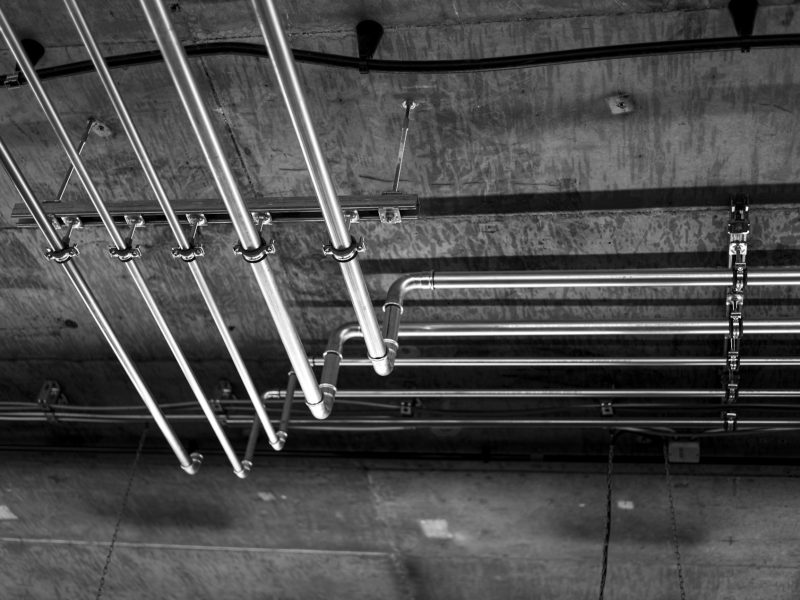
When building a new home in British Columbia, one of the most critical steps is ensuring the plumbing system meets local regulations. Plumbing code requirements not only safeguard health and safety but also ensure long-term efficiency and proper system performance. For homeowners, contractors, and builders, understanding these requirements is essential to avoid costly mistakes and legal issues.
Why Plumbing Code Requirements Matter
Plumbing codes are not just rules on paper. They exist to:
- Protect drinking water from contamination
- Ensure proper drainage and waste disposal
- Promote energy and water efficiency
- Maintain safety in homes and buildings
- Provide consistency across new builds
By following plumbing code requirements, homeowners gain peace of mind knowing their systems are safe, legal, and built to last.
The Governing Code in BC
In British Columbia, plumbing systems must comply with the BC Plumbing Code, which is based on the National Plumbing Code of Canada (NPC). Municipalities may also enforce additional bylaws, so local regulations should always be reviewed alongside the provincial code.
The BC Plumbing Code covers:
- Materials approved for use in plumbing systems
- Design standards for water supply and drainage
- Fixture placement and spacing
- Venting requirements
- Backflow prevention
- Energy and water efficiency standards
Key Plumbing Code Requirements for New Builds in BC
Understanding the most important areas of compliance helps homeowners and contractors plan ahead.
1. Water Supply Systems
- All drinking water must come from an approved municipal or private supply.
- Materials such as copper, PEX, and CPVC are approved, but they must be certified.
- Systems must maintain adequate pressure and flow to serve all fixtures.
2. Drainage and Waste Systems
- Every fixture must connect to a properly sized drainage system.
- Drainpipes must slope correctly to allow wastewater to flow freely.
- Traps must be installed under sinks, showers, and tubs to prevent sewer gases from entering living spaces.
3. Venting Requirements
- Plumbing codes require vents to allow air into the drainage system.
- Proper venting prevents siphoning of traps and ensures smooth drainage.
- Vent pipes must extend through the roof or connect to an approved air admittance valve.
4. Backflow Prevention
- Backflow devices protect drinking water from contamination caused by backflow.
- These are mandatory in systems with irrigation, fire sprinklers, or other connections that could introduce pollutants.
5. Fixture Installation
- Toilets, sinks, showers, and tubs must be installed according to spacing guidelines.
- For example, there must be adequate clearance around toilets for comfort and accessibility.
- Fixtures must also meet water efficiency standards, such as low-flow toilets and faucets.
6. Hot Water Systems
- Water heaters must be installed with temperature and pressure relief valves.
- Distribution systems must deliver hot water quickly and safely to fixtures.
- Pipes should be insulated to reduce energy loss.
7. Accessibility Requirements
In certain cases, especially multi-unit buildings, fixtures must comply with accessibility standards to accommodate people with disabilities.
Common Mistakes in New Builds
Even experienced builders sometimes miss key requirements. Common mistakes include:
- Incorrect pipe slope leading to drainage issues
- Missing or undersized vents
- Failing to install backflow prevention devices
- Using unapproved pipe materials
- Ignoring municipal bylaws that go beyond the provincial code
Avoiding these mistakes requires careful planning and professional oversight.
Permits and Inspections in BC
All plumbing work in new builds must be inspected and approved by local authorities.
The process usually involves:
- Submitting plumbing drawings for approval
- Obtaining permits before work begins
- Rough-in inspections during construction
- Final inspection before occupancy
Skipping this process can result in fines, delays, or costly rework.
Role of Professional Plumbers in Code Compliance
Professional plumbers play a vital role in ensuring new builds meet plumbing code requirements. Their expertise ensures:
- Accurate system design tailored to the home
- Proper installation of all fixtures and pipes
- Compliance with local bylaws and the BC Plumbing Code
- Smooth inspections and approvals
Working with certified professionals also reduces the risk of future repairs caused by poor workmanship or non-compliance.
Plumbing Code and Efficiency Standards
Modern plumbing codes in BC also aim to conserve water and energy.
Efficiency requirements include:
- Low-flow toilets using no more than 6 litres per flush
- Faucets and showerheads designed to reduce water use
- High-efficiency water heaters
- Insulated hot water pipes
These standards help homeowners save on utility bills while supporting environmental sustainability.
Costs of Code Compliance
While meeting plumbing code requirements may increase upfront costs, non-compliance often proves far more expensive.
- Permit fees: $100–$500 depending on municipality
- Inspections: Included in permit fees, but re-inspections may add extra costs
- Professional installation: Varies depending on project size, typically $5,000–$15,000 for a new build
Investing in proper design and professional installation ensures long-term savings and fewer problems down the road.
Future Trends in Plumbing Code Requirements
Plumbing codes evolve to reflect new technologies and sustainability goals. Homeowners and builders can expect future updates to focus on:
- Even stricter water efficiency standards
- Increased use of greywater recycling systems
- Expanded backflow prevention requirements
- More emphasis on accessibility features
Staying informed about these trends helps homeowners future-proof their plumbing systems.
Final Thoughts
Plumbing code requirements are more than bureaucratic hurdles—they’re essential for safe, efficient, and sustainable homes. For new builds in BC, compliance ensures systems operate properly, inspections go smoothly, and homeowners avoid costly headaches.
By working with experts like Paton Plumbing Worx, homeowners can rest assured their new builds meet all plumbing code requirements. Their team brings the knowledge, skills, and professionalism needed to deliver safe and efficient systems every time.
Planning a new build in British Columbia? Don’t leave plumbing compliance to chance. Contact Paton Plumbing Worx today for expert guidance and professional installation that meets all plumbing code requirements and ensures peace of mind.