
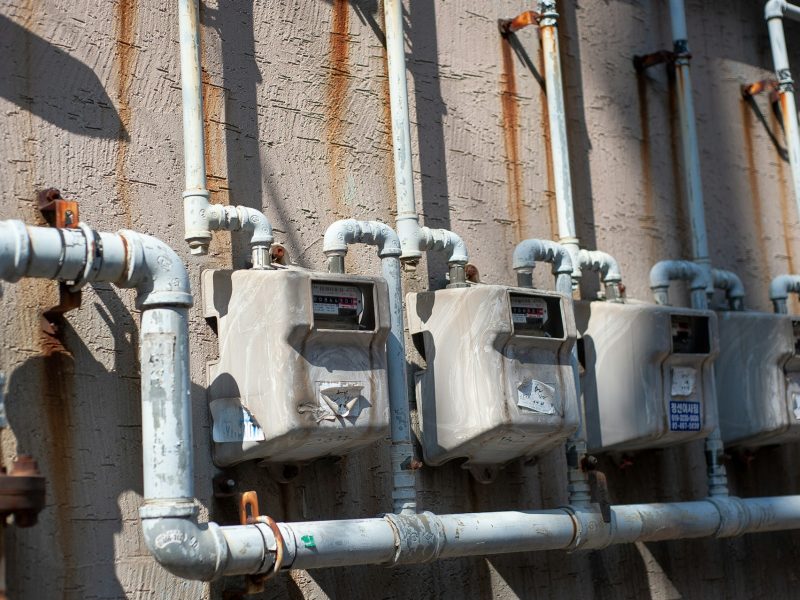
Older homes carry character, charm, and history. But behind the walls and under the floors, outdated plumbing often tells a different story. Over time, pipes corrode, fixtures wear out, and systems fall short of today’s safety and efficiency standards. For homeowners, upgrading plumbing in older homes is a crucial step toward maintaining property value and ensuring peace of mind.
Why Plumbing in Older Homes Needs Attention
Plumbing systems don’t last forever. Materials used decades ago may no longer be safe, efficient, or even legal under today’s building codes.
Key reasons to upgrade include:
- Preventing leaks and water damage
- Improving water quality and pressure
- Meeting current plumbing codes
- Enhancing efficiency and reducing waste
- Increasing property value before resale
Ignoring outdated plumbing can lead to costly emergencies, while proactive upgrades secure a home’s long-term safety and comfort.
Warning Signs of Outdated Plumbing
Homeowners should watch for red flags that indicate plumbing systems may need replacement:
- Discoloured water (yellow, brown, or rusty)
- Frequent leaks or pipe bursts
- Low water pressure throughout the home
- Pipes that rattle, bang, or make unusual noises
- Visible corrosion on exposed pipes
- Persistent clogs and slow drains
These signs often point to aging systems that are nearing the end of their lifespan.
Common Plumbing Materials in Older Homes
Understanding what materials were commonly used helps homeowners know what to replace.
Galvanized Steel Pipes
Popular until the 1960s, galvanized pipes are prone to rust and corrosion, leading to discoloured water and reduced pressure.
Lead Pipes
Used in some homes before the 1950s, lead pipes pose serious health risks. Replacing them is essential for safe drinking water.
Polybutylene Pipes
Installed from the late 1970s to the mid-1990s, these plastic pipes are now known to fail prematurely and are no longer approved by building codes.
Copper Pipes
Durable and still widely used, but older copper pipes may thin over time, leading to leaks.
Cast Iron Drainpipes
Often found in vintage homes, these pipes can corrode and crack, causing sewer backups and odours.
What Needs Replacement in Older Homes
When upgrading plumbing in older homes, several components often require attention.
1. Supply Pipes
Old supply lines are the most common source of problems. Replacing outdated galvanized, lead, or polybutylene pipes with copper or PEX ensures clean, reliable water.
2. Drainage and Sewer Lines
Cast iron or clay sewer pipes are prone to cracking and root intrusion. Modern PVC or ABS piping offers durability and reliability.
3. Fixtures and Faucets
Worn-out faucets, toilets, and showerheads waste water and may not meet efficiency standards. Replacing them with low-flow options saves money and reduces water use.
4. Water Heaters
Older water heaters are less efficient and more likely to fail. Upgrading to a modern tank or tankless model improves efficiency and reliability.
5. Valves and Shut-Offs
Main shut-off valves and fixture shut-offs can seize or leak over time. Replacing them ensures homeowners can quickly stop water flow in emergencies.
6. Sump Pumps and Backflow Prevention
For homes with basements, sump pumps and backflow devices should be checked and replaced if outdated. These components protect against flooding and contamination.
Benefits of Upgrading Plumbing
Investing in new plumbing brings several advantages:
- Improved safety: Eliminates lead and corroded pipes.
- Better water quality: Clean, clear water with consistent pressure.
- Energy savings: Modern water heaters and insulated pipes reduce energy costs.
- Code compliance: Ensures systems meet today’s standards.
- Higher resale value: Buyers are more confident in homes with updated plumbing.
Costs of Plumbing Upgrades
The cost of upgrading plumbing in older homes depends on the size of the house, the extent of replacement, and chosen materials.
- Whole-house repiping: $8,000–$20,000
- Drain and sewer replacement: $3,000–$15,000
- Water heater replacement: $1,200–$4,000
- Fixture upgrades: $500–$2,500 per bathroom
While these numbers may seem high, the long-term savings on repairs, water bills, and insurance premiums make the investment worthwhile.
The Process of Plumbing Upgrades
Upgrading plumbing involves several key steps:
- Inspection: Professional plumbers assess existing systems, materials, and problem areas.
- Planning: A replacement plan is designed, balancing cost, efficiency, and code compliance.
- Permits: Required permits are obtained to ensure legal compliance.
- Replacement: Old pipes, fixtures, and equipment are removed and replaced with modern systems.
- Testing: The new system is tested for leaks, pressure, and efficiency.
Professional guidance ensures the process goes smoothly, minimizing disruptions to daily life.
DIY vs. Professional Plumbing Upgrades
While handy homeowners may attempt minor plumbing fixes, full-scale upgrades should always be handled by professionals.
Professional plumbers offer:
- Knowledge of codes and permits
- Access to advanced tools and equipment
- Skilled installation for long-lasting results
- Warranties on work performed
Attempting major upgrades without expertise can lead to costly mistakes and failed inspections.
Preventative Plumbing for Older Homes
Once upgrades are complete, preventative maintenance helps extend the life of new systems.
Tips include:
- Annual inspections by a professional plumber
- Flushing water heaters to prevent sediment buildup
- Checking for leaks around fixtures and appliances
- Cleaning drains regularly to avoid blockages
- Insulating pipes to protect against freezing
This proactive approach ensures plumbing systems remain efficient and reliable.
Final Thoughts
For homeowners, upgrading plumbing in older homes is about more than just convenience—it’s about safety, efficiency, and preserving property value. Outdated systems can compromise water quality, increase repair costs, and even pose health risks. Replacing old pipes, fixtures, and equipment provides peace of mind for years to come.
With trusted experts like Paton Plumbing Worx, homeowners can confidently update their plumbing systems. Their professional team ensures upgrades are safe, efficient, and fully compliant with today’s standards.
Thinking about upgrading plumbing in your older home? Don’t wait for leaks or costly damage to strike. Contact Paton Plumbing Worx today for expert advice and professional service that ensures your home’s plumbing is safe, efficient, and built to last.