
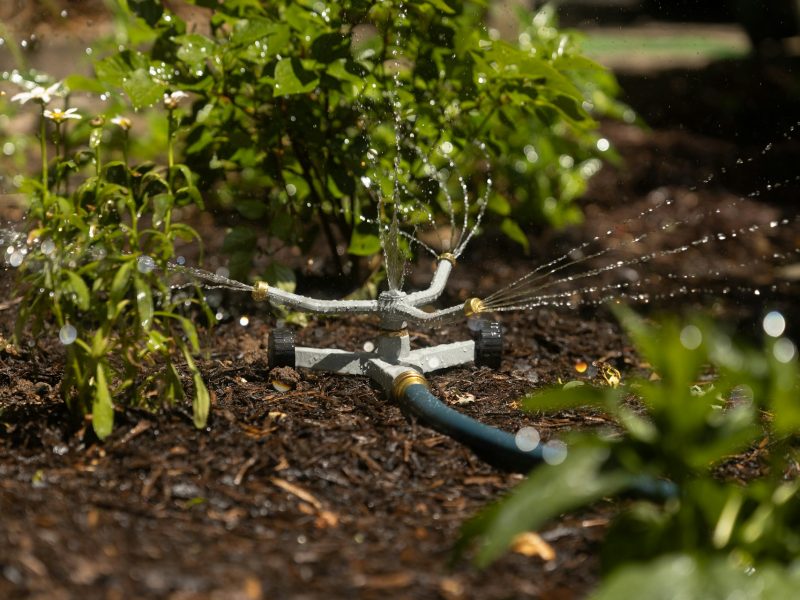
As water costs rise and environmental concerns grow, more homeowners are looking for sustainable ways to care for their landscapes. One solution gaining popularity is rainwater harvesting for irrigation. This eco-friendly practice collects and stores rainwater to use in watering lawns, gardens, and plants.
By making the most of natural rainfall, homeowners reduce their dependence on municipal water systems while saving money and conserving valuable resources. This guide explains how rainwater harvesting works, its benefits, and why it’s an excellent choice for eco-friendly lawn care.
What Is Rainwater Harvesting for Irrigation?
Rainwater harvesting is the process of capturing and storing rain for later use. Instead of letting water run off into storm drains, the system channels it into containers such as barrels, cisterns, or underground tanks.
For irrigation, this stored water is then connected to hoses, drip systems, or sprinklers to keep lawns and gardens healthy. Since rainwater is free and naturally soft, it’s a valuable resource for homeowners seeking greener practices.
How Rainwater Harvesting Systems Work
A typical system includes:
- Catchment area: Usually a roof where rainwater is collected.
- Gutters and downspouts: Direct rainwater to storage.
- Filters: Remove debris, leaves, and dirt.
- Storage tank: Holds collected water in barrels or underground cisterns.
- Distribution system: Pumps or gravity-fed pipes deliver water to irrigation systems.
Systems can be as simple as a rain barrel or as complex as a fully automated underground network connected to smart controllers.
Benefits of Rainwater Harvesting for Irrigation
1. Eco-Friendly Lawn Care
Using rainwater reduces reliance on treated municipal water, lowering demand on city supplies and cutting energy use.
2. Cost Savings
Rain is free. Over time, collecting water for irrigation significantly reduces utility bills.
3. Healthier Plants
Rainwater lacks chlorine and other chemicals found in tap water, making it ideal for lawns, flowers, and vegetable gardens.
4. Flood Prevention
By capturing runoff, rainwater systems reduce strain on storm drains and help prevent local flooding.
5. Increased Property Value
Eco-friendly upgrades like rainwater harvesting appeal to buyers and can raise home value.
Types of Rainwater Harvesting Systems
Rain Barrels
- Affordable and simple to install.
- Best for small gardens or flower beds.
- Typically hold 50–200 gallons of water.
Above-Ground Cisterns
- Larger storage capacity, often hundreds of gallons.
- Can be connected to hoses and drip irrigation.
- Easy to maintain but require space.
Underground Tanks
- High-capacity storage for large properties.
- Protected from sunlight, which reduces algae growth.
- More expensive but ideal for automated sprinkler systems.
Integrated Irrigation Systems
- Connect directly to existing sprinkler or drip irrigation networks.
- Controlled by timers or smart controllers.
- Provide seamless, hands-free watering.
How Much Water Can You Save?
The amount depends on rainfall and roof size. For example:
- A 1,000 sq. ft. roof can collect about 600 gallons from just 1 inch of rain.
- Over a year, homeowners can collect thousands of gallons to water lawns and gardens.
In Canada, where summer droughts are common, harvesting rainwater ensures lawns stay green without straining municipal water supplies.
Setting Up a Rainwater Harvesting System
Step 1: Assess Your Needs
Consider lawn size, plant types, and average water usage.
Step 2: Choose a System
Select between barrels, cisterns, or underground tanks based on budget and space.
Step 3: Install Gutters and Filters
Clean gutters regularly and add filters to keep water clear of debris.
Step 4: Add Storage
Position barrels or tanks close to downspouts for easy collection.
Step 5: Connect to Irrigation
Link storage tanks to hoses, drip systems, or sprinklers for efficient watering.
Step 6: Maintain Regularly
Clean tanks and check for leaks to keep water fresh and usable.
Common Challenges and Solutions
- Algae growth: Use opaque tanks or keep storage out of direct sunlight.
- Mosquito breeding: Install screens or tightly sealed lids.
- Freezing temperatures: Winterize systems by draining and disconnecting storage.
- Overflows during heavy rain: Add overflow outlets or extra barrels.
With proper care, a rainwater harvesting system can last for decades.
Pairing Rainwater Harvesting with Smart Irrigation
For maximum efficiency, homeowners can pair rainwater harvesting with smart irrigation controllers. These devices adjust watering schedules based on weather forecasts, soil conditions, and plant needs.
This combination ensures that every drop of harvested rainwater is used wisely, further reducing waste and costs.
Costs of Rainwater Harvesting Systems
Prices vary depending on size and complexity:
- Rain barrels: $100 – $300 each.
- Above-ground cisterns: $500 – $2,500.
- Underground tanks with pumps: $3,000 – $10,000.
- Integrated systems with irrigation: $5,000 and up.
While the initial investment may seem high, the savings on water bills and environmental benefits make it worthwhile in the long run.
Why Choose Rainwater Harvesting in Canada
Canadian homeowners face unique challenges with water use, especially in areas prone to summer droughts. Municipal water restrictions often limit lawn watering, but harvested rainwater provides an alternative supply.
Additionally, rainwater harvesting supports Canada’s sustainability goals by reducing stress on public water systems and helping homeowners cut their environmental footprint.
Professional Installation vs. DIY
- DIY: Great for simple rain barrels and small systems. Affordable and easy to set up.
- Professional installation: Recommended for underground tanks or integrated irrigation systems. Experts ensure proper sizing, filtration, and system efficiency.
University Sprinklers offers expert installation, ensuring homeowners get the most value and long-lasting performance from their systems.
Final Thoughts
Switching to rainwater harvesting for irrigation is a smart move for eco-conscious homeowners. It saves water, lowers bills, and provides a reliable source for lawn and garden care. From simple barrels to advanced underground systems, options are available for every budget and property size.
For Canadian homeowners who want greener, healthier lawns, University Sprinklers provides professional irrigation solutions tailored to your needs. With expert installation and sustainable practices, they make eco-friendly lawn care simple and effective.
Ready to make the switch to sustainable watering? Contact University Sprinklers today to explore rainwater harvesting systems and discover eco-friendly irrigation solutions for your home. Turn every rainfall into an opportunity to grow greener.