
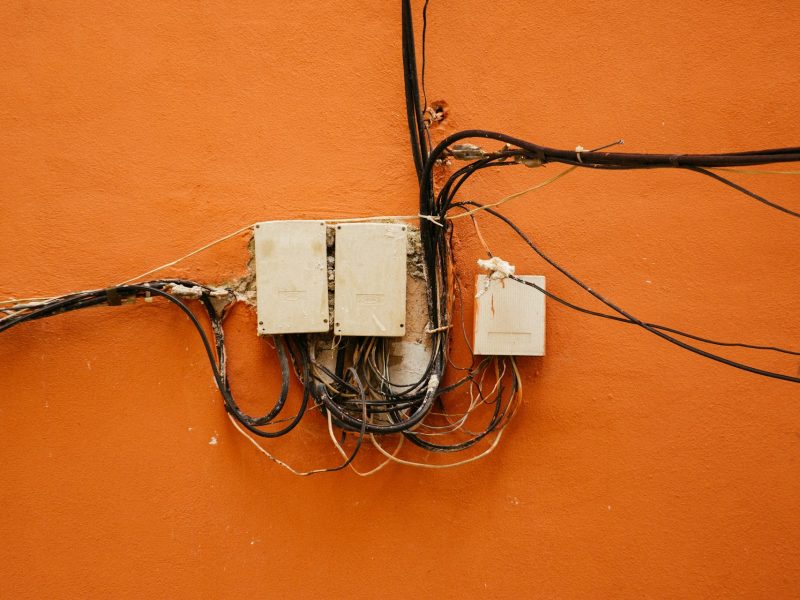
Electrical safety is one of the most important parts of maintaining your home—and yet, one of the most misunderstood. For many homeowners in British Columbia, the circuit breaker panel is an unfamiliar but essential component of their electrical system.
Whether you live in a century-old home in Victoria or a newly built townhouse in Surrey, understanding your circuit breaker panel helps keep your home safe, efficient, and up to code.
This guide breaks down everything you need to know—from how your panel works to when it’s time for an upgrade—so you can feel confident managing your home’s electrical system.
1. What Is a Circuit Breaker Panel?
Think of your circuit breaker panel as the command centre of your home’s electrical system. It distributes power from the utility connection into various circuits that serve different areas and appliances throughout your home.
Each switch or breaker on the panel controls a specific circuit—like your kitchen outlets, laundry area, or lighting system. When too much current flows through a circuit, the breaker “trips” to stop electricity from flowing, protecting your wiring from overheating and preventing potential electrical fires.
This automatic safety mechanism is why a properly functioning panel is so vital.
In British Columbia, where many homes range from 1950s bungalows to modern high-efficiency builds, breaker panels vary widely in design and capacity. Knowing which type you have—and its limitations—can help prevent problems before they start.
2. Why Circuit Breaker Panels Matter in BC
British Columbia’s diverse climate and housing styles make electrical safety uniquely important. Coastal humidity, mountain weather, and even seismic activity can affect wiring and equipment longevity.
Here’s why your circuit breaker panel deserves attention:
-
Older Homes: Many BC homes built before the 1980s weren’t designed for today’s electrical loads (think EV chargers, heat pumps, or high-powered appliances).
-
Weather Conditions: Damp conditions in Vancouver or Nanaimo can lead to corrosion in panels and connections.
-
Modern Power Demands: Homes now require far more circuits and amperage than in decades past.
The Canadian Electrical Code (CEC), enforced in BC by Technical Safety BC, requires all homes to have a safe and compliant electrical distribution system. A modern breaker panel helps you meet those standards.
3. How to Locate and Identify Your Panel
If you’re unsure where your panel is, don’t worry—many homeowners rarely look at it until a breaker trips.
You’ll usually find your breaker panel in a:
-
Basement
-
Utility or laundry room
-
Garage or hallway closet
Look for a metal box with a door that opens to reveal rows of labelled switches. Each breaker should indicate which circuit it controls (for example, “Kitchen Outlets” or “Washer/Dryer”).
If your panel isn’t labelled—or the labels are outdated—take time to update them. It’s one of the simplest, most useful steps you can take for home safety. In an emergency, clear labelling can save valuable time.
4. Common Circuit Breaker Panel Issues in BC Homes
Like any part of your home, your breaker panel can wear down or malfunction over time. Below are some of the most common problems electricians see across British Columbia:
Frequent Tripping
If breakers trip often, it may mean circuits are overloaded. This happens when too many devices draw power on the same line. Older homes—especially those with 60-amp panels—are particularly prone to this issue.
Corrosion and Moisture Damage
BC’s damp coastal climate can lead to rust or corrosion inside the panel. Over time, this weakens connections and can cause arcing or overheating.
Outdated or Unsafe Panels
Some older homes still have fuse boxes or discontinued panel brands that no longer meet safety standards. For instance, certain models (like old Federal Pacific panels) have been associated with breaker failures.
Loose or Worn Connections
Vibration, age, or amateur electrical work can loosen connections, increasing the risk of sparking or short circuits.
If you notice any of these issues—or smell something burning near your panel—contact a licensed electrician immediately.
5. When to Call a Professional Electrician
While it’s smart to understand your electrical system, working on it yourself can be dangerous and is not permitted without proper licensing in BC.
Here’s when you should always call a professional:
-
Upgrading or replacing your panel
-
Adding new circuits for renovations or new appliances
-
Frequent breaker trips or flickering lights
-
Signs of corrosion, buzzing, or heat around the panel
-
Home insurance or inspection requirements
A licensed electrician can safely evaluate your system, perform load calculations, and ensure all work complies with the Canadian Electrical Code.
6. Upgrading Your Circuit Breaker Panel
If your home still runs on an old fuse box or a 60-amp panel, an upgrade can dramatically improve both safety and functionality.
Modern homes typically need 100 to 200 amps of electrical service to handle current and future needs—especially if you plan to add EV chargers, heat pumps, or home offices.
Average cost in BC:
Most homeowners spend $1,500–$3,000 for a panel upgrade, depending on location, amperage, and wiring complexity. While that’s a significant investment, it’s one that pays off in:
-
Improved safety and reliability
-
Compliance with modern electrical codes
-
Increased property value
A modern electrical system can also make your home more attractive to buyers in competitive housing markets like Vancouver and Victoria.
7. Understanding the Canadian Electrical Code (CEC)
The Canadian Electrical Code forms the foundation of safe electrical practices in BC. Updated every three years, it ensures electrical systems keep pace with new technology and safety standards.
In British Columbia, the CEC is enforced by Technical Safety BC, which oversees permits, inspections, and contractor licensing.
When you hire a licensed electrician, you’re not just getting someone who knows how to fix wires—you’re getting a professional trained to ensure every part of your system is code-compliant and safe.
For trusted professionals across the province, visit Home Service BC or explore their full range of services to find licensed experts in your area.
8. Maintenance Tips for Your Breaker Panel
Even if your panel is newer, maintenance matters. Follow these simple steps to keep it safe and reliable:
Schedule Regular Inspections
Have a licensed electrician inspect your panel every 3–5 years, or sooner if your home is over 30 years old.
Avoid Overloading Circuits
Don’t run too many high-power devices on one circuit. Spread loads across outlets and rooms to prevent overheating.
Keep the Area Around the Panel Clear
Avoid storing boxes or tools in front of the breaker panel. It should be easily accessible in an emergency.
Check for Labels and Tightness
Ensure breakers are properly labelled and that none feel loose or wobbly. If they do, call a professional.
These small habits help maintain your system’s longevity and reliability.
9. Signs It’s Time to Replace Your Breaker Panel
Watch for these red flags that your panel may need replacement:
-
Frequent breaker trips even after professional assessment
-
Visible rust or burn marks inside the panel
-
Buzzing or crackling noises
-
Warm or hot metal surfaces
-
Fuse box instead of breakers
If your system exhibits any of these issues, upgrading isn’t just a matter of convenience—it’s a matter of safety.
10. Empowering Homeowners Across British Columbia
Understanding circuit breaker panels in British Columbia isn’t just about technical know-how—it’s about empowerment and safety. By familiarizing yourself with how your system works, you can recognize problems early, avoid electrical hazards, and make informed upgrade decisions.
Electrical issues are not the place for DIY fixes—always rely on qualified professionals to handle inspections and repairs.
Whether you’re a new homeowner in Kelowna or maintaining a family home in Burnaby, staying informed helps you protect your investment and your loved ones.
Why Homeowners Trust Vancity Electric
When it comes to reliable electrical services, Vancity Electric is a trusted name across British Columbia. Their licensed electricians specialize in breaker panel upgrades, inspections, and installations, ensuring your home stays safe, efficient, and compliant.
From replacing outdated fuse boxes to preparing your system for new technology like EV chargers or smart home devices, Vancity Electric delivers professional, transparent, and timely service—tailored to your home’s specific needs.
Protect your home—and your peace of mind.
Schedule your breaker panel inspection or upgrade with Vancity Electric today.
Their team of licensed electricians proudly serves homeowners across British Columbia with quality workmanship and genuine care.
Keep your home safe, efficient, and up to code—with experts who put your safety first.