
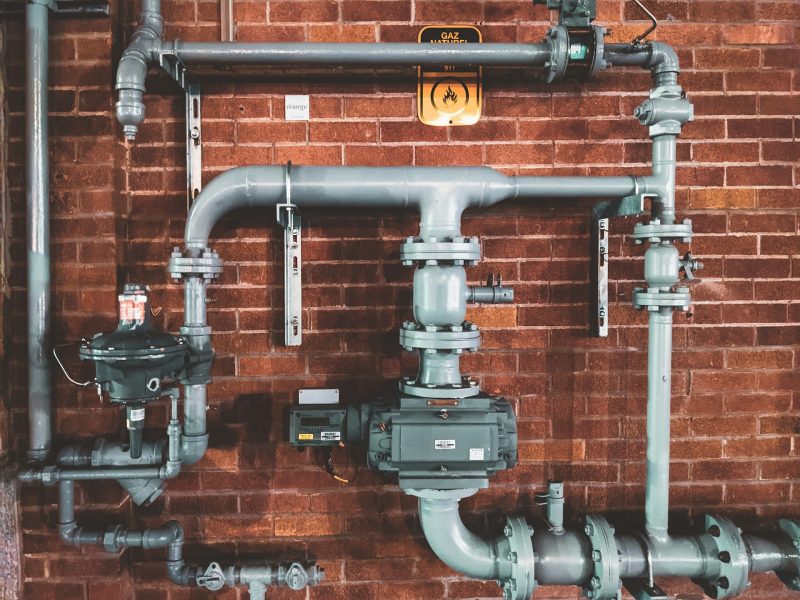
When it comes to heating water for your home, the debate between tankless vs traditional water heaters continues to spark interest among homeowners in British Columbia. Both systems provide hot water, but they differ in design, performance, energy efficiency, and long-term cost.
Understanding the advantages and drawbacks of each can help homeowners make an informed decision. Whether you’re building a new home or replacing an old unit, knowing which type best suits your household’s needs is key to comfort and savings.
1. How Each Water Heater Works
Tankless Water Heaters
Also known as “on-demand” systems, tankless water heaters heat water only when needed. When you turn on the tap, cold water travels through a heating element or gas burner, instantly producing hot water.
This system eliminates the need for a storage tank, providing endless hot water without waiting for a refill cycle.
Traditional Water Heaters
A traditional water heater stores and continuously heats a large tank of water, usually between 150–300 litres. When the hot water is used up, it refills with cold water and heats it again, a process that consumes energy even when not in use.
2. Energy Efficiency
One of the biggest differences between tankless vs traditional water heaters lies in energy consumption.
Tankless systems are more energy-efficient because they heat water only when it’s needed. This reduces standby energy loss—energy wasted by keeping stored water hot. According to Natural Resources Canada, a tankless water heater can be up to 30% more efficient than a standard storage tank model.
Traditional systems, on the other hand, constantly maintain water temperature, even during periods of low use, leading to higher energy bills over time.
3. Hot Water Availability
With a tankless water heater, you never run out of hot water—as long as your system is properly sized for your household demand. This makes it ideal for larger families or homes with multiple bathrooms.
However, if too many fixtures are used at once, such as running the dishwasher and shower simultaneously, the system might struggle to supply enough hot water.
Traditional water heaters can deliver a large amount of hot water at once, but once the tank is empty, it takes time to heat up again. This can be inconvenient during peak usage periods.
4. Installation Costs
When comparing tankless vs traditional water heaters, upfront cost is an important factor.
Tankless systems typically cost more to install due to the advanced technology and potential electrical or gas line upgrades. However, their energy savings can offset the initial cost over time.
Traditional water heaters are more affordable upfront and easier to install, making them appealing for homeowners on a tighter budget. Still, they often need replacement every 8–12 years, while tankless units can last up to 20 years with proper care.
5. Maintenance Requirements
Both systems require regular maintenance to ensure optimal performance.
Tankless water heaters need annual flushing to remove mineral buildup, especially in areas with hard water. They also require filter cleaning and periodic system checks.
Traditional water heaters demand similar upkeep, such as draining the tank to remove sediment and checking the anode rod to prevent corrosion.
For expert servicing, it’s best to schedule regular maintenance with professionals from Home Services BC’s services. Their certified plumbers can handle both tank and tankless systems efficiently.
6. Space and Installation Flexibility
One of the standout benefits of tankless systems is their compact size. They can be wall-mounted in small areas such as closets or basements, freeing up valuable space in the home.
Traditional water heaters require a large, dedicated area due to their bulky tanks. For smaller homes or condos, a tankless option is often more convenient.
7. Performance During Winter
In cold BC winters, water entering your home’s pipes is much colder, which can affect performance.
Tankless systems may take slightly longer to heat very cold water, and if undersized, they may struggle during simultaneous usage. On the other hand, traditional systems have a pre-heated supply, ensuring steady temperatures.
Professional plumbers can assess your home’s needs and recommend the right system for your region’s climate.
8. Environmental Impact
Energy-efficient appliances are increasingly important for homeowners aiming to reduce their carbon footprint.
Since tankless water heaters use less energy, they contribute to fewer greenhouse gas emissions over their lifespan. Many models are ENERGY STAR® certified, meeting Canada’s energy efficiency standards.
Traditional systems, while improving in efficiency, still consume more energy overall. Choosing a tankless unit can be a more sustainable choice for environmentally conscious homeowners.
9. Lifespan and Durability
A traditional water heater generally lasts 8–12 years before requiring replacement. Corrosion, mineral buildup, and tank wear are common reasons for failure.
Tankless water heaters, on the other hand, often last up to 20 years or more when maintained properly. With fewer parts exposed to water storage, they experience less corrosion and wear.
Over time, the longer lifespan and efficiency of tankless systems can provide better long-term value.
10. Cost of Operation
While traditional systems have lower initial costs, their ongoing energy consumption tends to be higher. This means homeowners may pay more in monthly utility bills.
Tankless systems, though more expensive upfront, generally cost less to operate. Homeowners can save between 20–40% on energy bills annually, depending on usage and water demand.
11. Safety and Risk of Leaks
Traditional tanks can develop leaks or even burst over time, especially as the tank corrodes. This can lead to water damage and costly repairs.
Tankless systems don’t store water, reducing the risk of leaks or flooding. However, both systems should be professionally installed and inspected regularly for safety.
For safe and reliable installation, homeowners can contact Home Services BC to ensure all connections and safety measures are properly managed.
12. Which One Is Right for You?
Choosing between tankless vs traditional water heaters depends on your home size, budget, and lifestyle.
- Tankless Water Heater: Best for households that value energy efficiency, long lifespan, and space-saving design.
- Traditional Water Heater: Better suited for those who prefer lower upfront costs and straightforward installation.
A consultation with a professional plumber can help determine which model aligns with your needs and long-term goals.
Comparing the Pros and Cons
|
Feature |
Tankless Water Heater |
Traditional Water Heater |
| Energy Efficiency | High | Moderate |
| Hot Water Supply | Endless (on-demand) | Limited (tank capacity) |
| Lifespan | Up to 20 years | 8–12 years |
| Installation Cost | Higher | Lower |
| Maintenance | Regular flushing | Regular tank draining |
| Space Needed | Minimal | Larger footprint |
| Environmental Impact | Lower emissions | Higher emissions |
| Risk of Leaks | Very low | Moderate to high |
Why Professional Installation Matters
Improper installation can affect performance, safety, and efficiency. Certified plumbers ensure your system complies with local building codes and functions efficiently.
Home Services BC’s services include professional installation, maintenance, and repair for all types of water heaters. Their experts can recommend the ideal unit based on your home’s hot water demand and energy preferences.
Final Thoughts
Both tankless and traditional water heaters have their own benefits. Tankless vs traditional water heaters ultimately comes down to what homeowners value most—efficiency, cost, or convenience.
For those looking for long-term savings, energy efficiency, and continuous hot water, a tankless system may be the better choice. For families seeking an affordable upfront solution, traditional systems still offer reliable performance.
Whether you’re upgrading your home or replacing an outdated water heater, visit Home Services BC today. Their team of experienced professionals can help you choose, install, and maintain the perfect system for your home—ensuring comfort and savings all year round.