
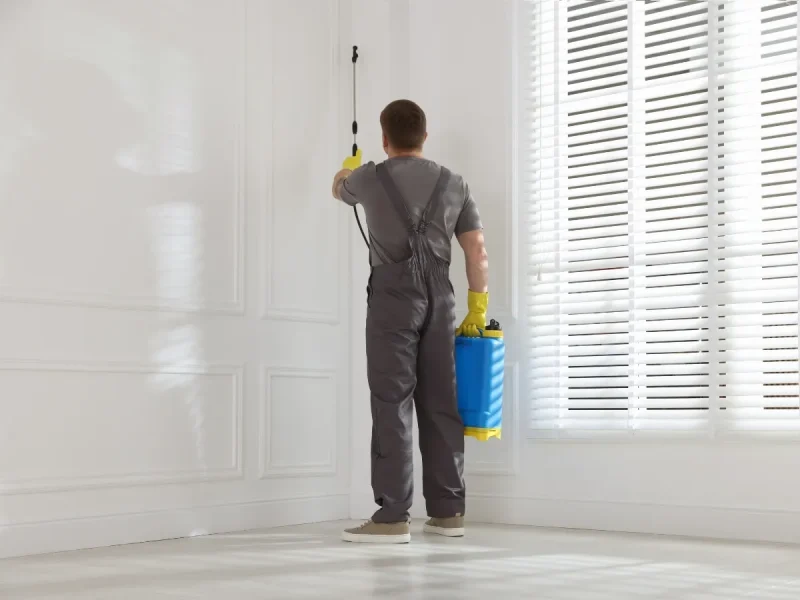
Pest activity in British Columbia changes with the seasons, and homeowners often notice clear patterns throughout the year. Understanding the seasonal pests BC residents commonly face helps prevent infestations before they become difficult or costly to manage. Because BC experiences mild temperatures and high moisture levels, pest activity remains consistent but shifts in type and behaviour as the seasons change.
From rodents seeking warmth and shelter during winter to insects thriving in warmer summer months, each season presents its own challenges. Heavy rainfall, changing temperatures, and seasonal construction can all drive pests indoors in search of food and protection. Even well-maintained homes may experience increased pest activity at certain times of the year.
At Home Service BC, we work with homeowners across the province who want to stay ahead of pest problems rather than reacting after infestations occur. Knowing what to expect during each season allows for better planning, timely inspections, and faster response when warning signs appear. This guide breaks down seasonal pest activity in BC and outlines what homeowners should prepare for throughout the year to protect their homes, health, and peace of mind.
Why Seasonal Pests BC Are So Common
British Columbia’s mild climate allows many pests to remain active throughout the year rather than becoming dormant during winter months. Unlike regions with prolonged freezing temperatures, BC experiences relatively stable conditions and consistent moisture, creating an environment where insects, rodents, and other pests can survive and reproduce in every season. Urban development and population density also play a significant role in seasonal pest activity. Closely spaced homes, shared walls, and aging infrastructure provide easy access points and shelter for pests. Older homes may have small gaps, cracks, or outdated sealing that pests can exploit, while nearby construction and landscaping can disturb outdoor habitats and push pests indoors.
Natural landscapes surrounding many BC communities further contribute to pest movement. Forested areas, parks, and waterways provide nesting and feeding grounds close to residential properties. As seasonal changes affect food availability and shelter outdoors, pests are driven inside homes at different times of the year in search of warmth, moisture, or sustenance. Seasonal pests BC homeowners encounter are influenced by a combination of weather patterns, housing conditions, and environmental factors. Understanding these influences is the first step toward effective prevention, early detection, and long-term pest control.
Spring Pest Problems in BC Homes
Spring marks the start of increased pest activity across the province. As temperatures rise, insects emerge and rodents become more active. Ants are one of the most noticeable spring pests, often entering homes in search of food. Wasps may begin scouting areas to build nests near roofs and eaves. Rodents that sheltered indoors during winter may remain active. Seasonal pests BC homeowners see in spring require early attention to prevent population growth.
Summer Pest Problems in BC Homes
Summer is peak season for many pests in British Columbia. Warm weather and increased outdoor activity create ideal conditions for insects. Wasps, flies, and spiders are especially common during summer months. Rodents may also seek shade and water near homes. Outdoor garbage, patios, and gardens can attract pests if not managed properly. Seasonal pests BC homeowners experience in summer often spread quickly without control.
Fall Pest Problems in BC Homes
Fall is one of the most critical times for pest control. As temperatures drop, pests begin searching for warmth and shelter. Rodents are especially active during this season, entering homes through small openings. Spiders also move indoors more frequently in fall. Ant activity may decrease outside but increase indoors. Seasonal pests BC homeowners notice in fall often signal the need for professional prevention measures.
Winter Pest Problems in BC Homes
While pest activity slows in winter, it does not stop entirely. Rodents remain active indoors, nesting in walls and attics. Silverfish and cockroaches may also continue to thrive in warm, damp areas. Homeowners often hear scratching noises during winter months. Seasonal pests BC homeowners encounter in winter are usually well established. Early detection helps reduce damage and health risks.
Rodents as a Year-Round Concern
Rodents are among the most persistent seasonal pests BC homeowners face, largely due to their ability to adapt quickly to changing weather conditions. Unlike many insects, mice and rats do not rely on warm temperatures to remain active. Instead, they seek consistent access to food, warmth, and safe nesting areas, which homes naturally provide throughout the year. During cooler or wetter periods, rodents are more likely to move indoors in search of shelter. In warmer months, they often remain close to homes, taking advantage of readily available food sources and hidden entry points. Once inside, rodents can be difficult to detect until damage becomes visible.
Rodent activity can result in significant property damage, including chewed wiring, damaged insulation, and contaminated food storage areas. These issues increase the risk of electrical fires, reduced energy efficiency, and costly repairs. In addition to structural concerns, rodents pose health risks through droppings, urine, and bacteria that can affect indoor air quality and household safety. Because rodents reproduce quickly and often remain hidden, professional pest control support is frequently required to manage activity effectively. Early detection, proper removal, and preventative measures are essential to reducing rodent problems and protecting BC homes year-round.
Insects That Follow Seasonal Patterns
Insects respond strongly to seasonal changes. Ants are most active in spring and summer, while wasps peak during warm months. Spiders tend to move indoors in fall. Cockroaches thrive year-round in warm, moist environments. Understanding these patterns helps homeowners act early. Seasonal pests BC residents deal with often follow predictable cycles.
Seasonal weather shifts affect how pests enter homes. Rain drives insects indoors in spring and fall. Cold temperatures push rodents inside during winter. Dry summer conditions may cause pests to seek water sources. Cracks, gaps, and poorly sealed areas provide easy access. Seasonal pests BC homeowners face often exploit small vulnerabilities. Regular inspections reduce entry risks.
Signs of Seasonal Pest Activity
Recognizing the early signs of pest activity is essential for preventing small issues from developing into full infestations. Many seasonal pests leave behind clear indicators that homeowners can spot with regular inspections and awareness. Common warning signs include droppings, scratching or scurrying noises inside walls or ceilings, nests made from shredded materials, and visible damage to wood, insulation, or food packaging. Rodents are often responsible for these signs, particularly during seasonal transitions when they seek shelter indoors.
Insects may leave different clues, such as visible trails, shed wings, webbing, or nests around windows, door frames, and damp areas. Increased pest sightings inside the home often coincide with changes in weather, including heavy rainfall, cooling temperatures, or extended warm periods. Ignoring these signs allows pests to establish nesting areas deeper within the home, making removal more difficult and costly. Seasonal pests BC homeowners notice should be addressed promptly to reduce damage, protect household health, and prevent recurring problems.
When DIY Methods Are Not Enough
Many homeowners attempt DIY pest control first. While minor issues may be manageable, seasonal pests often return. Store-bought solutions rarely address entry points or nesting areas. Improper use can also pose safety risks. Professional pest control offers comprehensive solutions. Seasonal pests BC homeowners struggle with often require expert intervention.
Professional pest control services focus on inspection, treatment, and prevention. Experts identify seasonal pest patterns and adjust strategies accordingly. Treatments are safe, effective, and tailored to the specific pest. Entry points are sealed to reduce future activity. At Home Service BC, we connect homeowners with trusted professionals through our services page. We also share expert insights and seasonal advice through our podcast.
Preparing Your Home for Seasonal Pest Changes
Preparation plays a major role in pest prevention. Homeowners should seal cracks and gaps around doors, windows, and foundations. Proper food storage and waste management reduce attraction. Moisture control helps limit insect activity. Seasonal inspections identify vulnerabilities early. Preparation reduces the impact of seasonal pests BC homeowners commonly face.
Simple Seasonal Pest Prevention Tips
- Seal entry points around the home
- Store food in airtight containers
- Reduce moisture and fix leaks
- Keep outdoor areas clean
- Schedule routine inspections
Waiting until pests become visible often means the problem is already established. Proactive pest control reduces long-term damage and stress. Seasonal pests BC homeowners encounter are easier to manage early. Regular professional inspections help identify risks before infestations grow. Prevention saves time and money over time. At Home Service BC, we promote proactive home care strategies.
Final Thoughts
Seasonal pest problems are a reality for British Columbia homeowners, but they do not have to be overwhelming. Understanding seasonal pests BC residents can expect allows for smarter planning and faster response. Each season brings different risks, from insects in summer to rodents in winter. At Home Service BC, we help homeowners connect with trusted local experts who understand these patterns. With the right preparation and professional support, Home Service BC helps homeowners protect their homes and enjoy peace of mind year-round.