
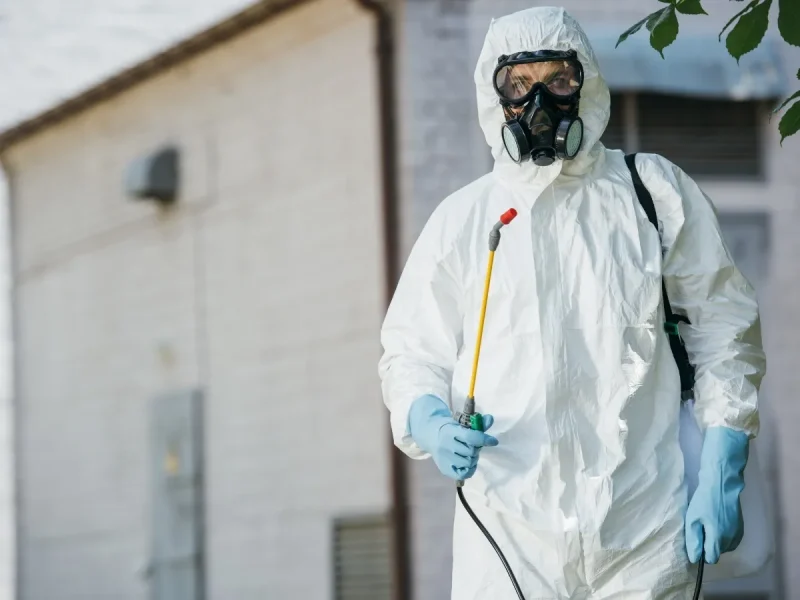
Many homeowners attempt to manage pest problems on their own before contacting a professional. Store-bought traps, sprays, and home remedies are often viewed as quick, affordable solutions, especially when pest activity appears minor. In some cases, DIY methods may reduce visible pests temporarily. However, DIY pest control BC homeowners rely on does not always provide long-term results. British Columbia’s mild climate, frequent moisture, and varied housing styles create persistent pest pressures that are difficult to address without professional tools and experience. DIY products typically focus on surface-level treatment and rarely eliminate nests, entry points, or environmental factors that allow pests to return.
At Home Service BC, we frequently speak with homeowners who began with DIY solutions but later needed expert assistance when the problem continued or worsened. Improper application of treatments can also pose health risks to children, pets, and occupants, particularly when chemicals are overused or misapplied. Understanding the limitations of DIY pest control helps homeowners make informed decisions. While small, isolated issues may be manageable on a short-term basis, ongoing or seasonal pest problems in BC often require professional inspection, targeted treatment, and preventative strategies to achieve lasting results.
Why DIY Pest Control BC Is So Popular
DIY pest control is appealing to many homeowners because it appears convenient, accessible, and cost-effective. Store-bought products are easy to find and often promise fast, visible results, making them an attractive first response when pests are spotted. For minor or early-stage issues, these solutions can sometimes reduce pest activity in the short term. Many homeowners believe small pest problems can be handled without professional support, especially when infestations seem limited to a single area. DIY methods can provide a sense of control and immediate action, which is reassuring when dealing with unexpected pests.
However, pests in British Columbia are persistent and highly adaptable. The province’s mild climate and moisture allow many species to survive and reproduce year-round. While DIY pest control BC homeowners use may offer temporary relief, it often does not address hidden nests, entry points, or environmental conditions that allow pests to return. Understanding the limitations of DIY pest control is essential for avoiding larger, more costly problems later. Knowing when to move beyond DIY solutions helps homeowners protect their property and maintain long-term pest control success.
When DIY Pest Control Can Be Helpful
DIY pest control methods can work in limited situations. Small ant trails, a few flies, or the occasional spider may respond to basic treatments. Cleaning, sealing small gaps, and removing food sources can reduce activity. Traps may help monitor minor rodent presence. These steps are often part of good home maintenance. DIY pest control BC homeowners use works best as prevention rather than full treatment.
Homeowners across British Columbia often try a variety of DIY pest control solutions before seeking professional help. These methods are widely available and are typically used to manage visible pest activity or minor infestations. While some approaches may provide short-term relief, their effectiveness can vary depending on the type of pest and the extent of the problem. Common DIY pest control methods include:
- Ant bait stations and surface sprays – Used to reduce ant activity by targeting worker ants and treating visible trails, though they may not always eliminate the nest.
- Mouse traps and glue boards – Commonly placed in kitchens, garages, and basements to catch rodents, but often ineffective for larger or hidden infestations.
- Insect sprays for spiders and flies – Designed to kill pests on contact, providing temporary relief without addressing the source of the problem.
- Natural repellents like peppermint oil – Popular for their low toxicity, though results are often limited and inconsistent.
- Sealing cracks and improving cleanliness – Helpful preventative steps that reduce access to food and shelter but may not be enough once pests are established.
The Limitations of DIY Pest Control BC Homeowners Face
DIY pest control methods often focus on treating visible symptoms rather than addressing the root causes of infestations. While sprays, traps, and repellents may reduce pest activity temporarily, they rarely eliminate nests, entry points, or breeding areas. Many pests nest deep within walls, attics, crawl spaces, or underground locations that store-bought products cannot effectively reach. Over time, pests may also adapt to commonly used treatments, making DIY solutions increasingly ineffective. Repeated use of the same products can lead to diminishing results, especially when infestations are well established.
Without proper identification and targeted treatment, pests are likely to persist or spread to other areas of the home. In British Columbia, environmental factors further complicate DIY pest control. Mild winters, high moisture levels, and densely populated neighbourhoods allow pests to survive year-round and return quickly after surface-level treatments. As a result, DIY pest control BC homeowners attempt often leads to repeated efforts without achieving lasting results. Understanding these limitations helps homeowners recognize when professional pest control is the most effective and efficient option for long-term protection.
Health and Safety Concerns with DIY Pest Control
Using pest control products incorrectly can pose health risks. Sprays and chemicals may affect indoor air quality. Improper placement of traps can be dangerous for children and pets. Natural remedies are not always harmless or effective. Without proper training, homeowners may expose themselves to risks. Professional pest control follows safety standards that protect households. Safety is a major factor when evaluating DIY pest control BC solutions.
Rodents and DIY Pest Control Challenges
Rodents are especially difficult to manage with DIY methods. Mice and rats reproduce quickly and hide well. Traps may catch a few rodents but leave nests untouched. Entry points often remain open, allowing more rodents to enter. Rodents also cause damage to wiring and insulation. DIY pest control BC homeowners try rarely solves rodent problems completely. Professional intervention is often necessary.
Insects That DIY Methods Struggle to Control
Some insects are particularly resistant to DIY treatment. Cockroaches, bed bugs, and carpenter ants are common examples. These pests hide in hard-to-reach areas and spread quickly. DIY products often fail to eliminate eggs and colonies. In BC homes, moisture and warmth support insect survival year-round. DIY pest control BC efforts may delay proper treatment and allow infestations to grow.
When DIY Pest Control Is Not Enough
There are clear signs that DIY methods are no longer effective. Recurring sightings, increased activity, and damage indicate a larger issue. Hearing noises in walls or finding droppings suggests established infestations. Health concerns and property damage should never be ignored. At this stage, professional help is the safest option. DIY pest control BC homeowners rely on should not replace expert care when risks increase.
The Benefits of Professional Pest Control
Professional pest control offers a comprehensive approach. Experts inspect the entire property and identify the root cause. Treatments are tailored to specific pests and home conditions. Entry points are sealed to prevent return. Professionals also provide prevention advice for long-term protection. Compared to DIY pest control BC methods, professional services offer more reliable outcomes.
At Home Service BC, we help homeowners decide when DIY is enough and when expert help is needed. Our platform connects homeowners with trusted local professionals across British Columbia. Homeowners can explore reliable solutions through our services page. We also share expert insights and homeowner experiences through our podcast. Our goal is to simplify pest control decisions and protect BC homes.
Combining DIY Efforts with Professional Support
DIY steps still play a role in overall pest prevention. Good sanitation, sealing entry points, and moisture control support professional treatments. Homeowners can reduce attraction and maintain results after service. Professional guidance ensures DIY efforts are safe and effective. Combining both approaches often delivers the best outcome. DIY pest control BC homeowners use works best as part of a broader strategy.
DIY pest control may seem cheaper at first. However, repeated purchases and ongoing damage can increase costs. Professional services often resolve the issue faster and more completely. Preventative care reduces future expenses. Investing in expert support can save money over time. Homeowners should consider long-term value rather than short-term cost.
Final Thoughts
DIY pest control methods can help with minor issues, but they have clear limits. For many BC homes, pests return quickly or remain hidden. Understanding when DIY efforts are effective and when they fall short is essential. At Home Service BC, we believe informed homeowners make better decisions. When pest problems persist or pose risks, trusted professional support makes all the difference. With the right guidance and reliable experts, Home Service BC helps homeowners protect their homes with confidence.