
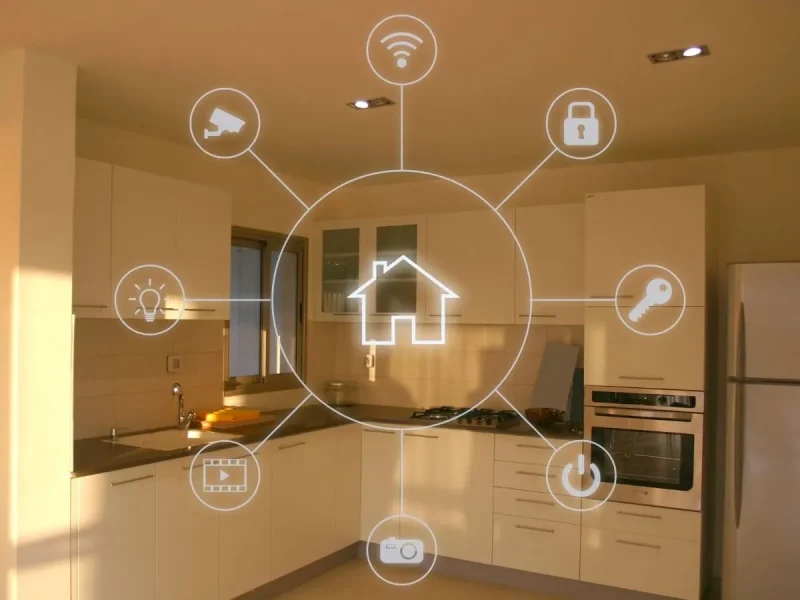
Not long ago, smart homes seemed like something out of a science fiction movie. Today, they are becoming a normal part of everyday life across British Columbia. Homeowners in Vancouver, Burnaby, Coquitlam, Port Moody, the Lower Mainland, and the Fraser Valley are increasingly embracing technology that makes their homes more comfortable, secure, efficient, and convenient. As these technologies continue to evolve, home automation in BC is no longer limited to luxury homes or technology enthusiasts. It is becoming a practical investment for homeowners who want greater control over their living environments.
The Smart Home Is Becoming a Smart Energy Manager
One of the most significant shifts in home automation in BC is the growing focus on energy management. Rising utility costs and increased awareness of energy efficiency have encouraged homeowners to look for smarter ways to monitor and control electricity consumption. Rather than manually adjusting settings throughout the day, many homeowners are allowing automated systems to make real-time decisions based on household usage patterns.
Smart energy management systems can monitor power consumption across different areas of the home and identify opportunities to reduce waste. Homeowners can receive alerts when unusual energy usage occurs and track performance through mobile applications. Some systems can even adjust heating, cooling, and lighting automatically based on occupancy or time of day. These features help homeowners improve efficiency without sacrificing comfort.
As more BC homeowners invest in heat pumps, electric vehicles, and other energy-intensive technologies, managing electricity use becomes increasingly important. Automation allows these systems to work together more effectively while helping households reduce unnecessary consumption. For many families, smart energy management has become one of the most valuable aspects of home automation.
Security Systems Are Becoming More Intelligent
Home security remains one of the most popular entry points into smart home technology. However, today’s systems are far more advanced than traditional alarm systems. Modern security solutions combine cameras, sensors, smart locks, lighting controls, and mobile monitoring into a single connected platform.
Many homeowners appreciate the ability to monitor their property from anywhere using their smartphones. Whether travelling for work or enjoying a weekend away, homeowners can receive real-time notifications and view live footage from connected cameras. Smart locks also provide greater flexibility by allowing temporary access for family members, service providers, or guests without requiring physical keys.
In 2026, security automation is becoming more proactive rather than reactive. Systems can recognize unusual activity patterns, automatically activate lighting when motion is detected, and integrate with other smart devices throughout the home. This level of connectivity provides greater peace of mind while improving overall home security.
Smart Lighting Is Moving Beyond Convenience
When smart lighting first became popular, many homeowners viewed it primarily as a convenience feature. The ability to turn lights on and off using a smartphone or voice command was certainly appealing, but the technology has evolved considerably since then.
Today’s smart lighting systems can adjust brightness, colour temperature, and schedules based on homeowner preferences. Lights can gradually brighten in the morning to support natural wake-up routines and dim automatically in the evening to create a more relaxing environment. Some systems even respond to occupancy patterns and natural daylight levels to improve energy efficiency.
For homeowners throughout the Lower Mainland and Fraser Valley, smart lighting is increasingly viewed as both a comfort feature and an energy-saving tool. By automating lighting schedules and reducing unnecessary usage, homeowners can create a more enjoyable living space while lowering electricity consumption.
Voice Control Is Becoming Less Visible and More Useful
Voice assistants remain an important part of many smart homes, but their role is changing. Rather than serving as standalone gadgets, voice control systems are becoming integrated into broader home automation platforms. Homeowners are using voice commands to manage multiple devices and routines simultaneously.
For example, a single command can lock doors, adjust lighting, lower blinds, and activate a security system before bedtime. Morning routines can automatically adjust thermostats, turn on lights, and provide weather updates. These integrations help simplify everyday tasks while reducing the need to interact with multiple applications.
The goal is no longer simply controlling individual devices through voice commands. Instead, homeowners are creating automated experiences that support daily routines and improve overall convenience. As voice technology becomes more accurate and intuitive, its value within connected homes continues to grow.
Electric Vehicles Are Driving New Automation Trends
Electric vehicle ownership is expanding rapidly throughout British Columbia, and this growth is influencing smart home design. Many homeowners now view EV charging as an important component of their automation strategy.
Smart charging systems allow homeowners to schedule charging during off-peak hours, monitor energy consumption, and coordinate charging with other household electrical demands. Some systems can even prioritize charging based on utility rates or renewable energy availability.
This integration helps homeowners manage electricity costs while maximizing the efficiency of their charging infrastructure. As electric vehicles become more common, smart charging solutions are expected to play an increasingly important role in home automation in BC.
Automated Homes Are Supporting Remote Work
The growth of remote and hybrid work arrangements has influenced many smart home purchasing decisions. Homeowners are investing in automation systems that help create more comfortable, productive, and efficient work environments.
Smart thermostats can maintain ideal temperatures throughout the workday, while automated lighting systems adjust brightness to support productivity. Connected security systems provide additional peace of mind when expensive office equipment is stored at home. Some homeowners are even automating noise management, window coverings, and air quality systems to create better working conditions.
As home offices become permanent fixtures in many households, automation is helping homeowners create environments that support both professional and personal needs.
Homeowners Are Thinking About Integration First
One of the biggest changes in 2026 is how homeowners approach smart home technology purchases. Rather than buying individual devices independently, many are focusing on how different systems work together.
A smart thermostat may connect with automated blinds. Security systems may interact with lighting controls. EV chargers may communicate with energy management platforms. This level of integration creates a more seamless user experience and helps homeowners maximize the value of their investments.
Before purchasing new devices, many homeowners now ask an important question: Will this work with the rest of my home? This shift toward ecosystem thinking is shaping the future of smart home adoption throughout British Columbia.
Choosing a Contractor for Smart Home Automation Projects
While many smart devices are marketed as simple do-it-yourself products, larger automation projects often benefit from professional installation and planning. A connected home involves multiple systems working together, and proper integration can significantly impact performance and reliability.
When selecting a contractor, homeowners should look for:
- Experience with smart home systems
- Electrical expertise
- Knowledge of integration platforms
- Positive customer reviews
- Transparent recommendations
- Strong communication skills
At Home Services BC, we encourage homeowners to work with qualified professionals who understand both electrical systems and emerging technologies. Proper planning helps ensure smart home investments deliver long-term value and reliability.
Castle Electric for Smart Home Solutions
As smart home technology continues to evolve, many homeowners need guidance on where to start and which solutions make the most sense for their property. Castle Electric helps homeowners navigate the growing world of home automation while ensuring all electrical work is completed safely and professionally.
Rather than focusing on individual devices, Castle Electric looks at how homeowners use their homes and what they hope to achieve through automation. Whether the goal is improving energy efficiency, enhancing security, preparing for electric vehicle ownership, or creating greater convenience, they help identify solutions that align with those objectives. Their practical approach helps homeowners avoid unnecessary purchases and focus on technologies that provide meaningful benefits.
Because smart home systems often rely on strong electrical infrastructure, Castle Electric also evaluates the home’s existing capacity and future needs. This helps ensure new technologies integrate smoothly with the home’s electrical system while supporting future expansion. Homeowners can explore Castle Electric’s complete range of electrical services to learn more about residential electrical upgrades, EV charging installations, lighting solutions, and smart home technologies.
Homeowners Exploring Smart Technology
Homeowners interested in improving their homes can find trusted professionals through the wide range of home services available on Home Services BC. Our platform helps connect homeowners with experienced contractors who understand today’s home improvement needs. We also encourage homeowners to explore the Home Services BC Podcast for expert insights on renovations, maintenance, energy efficiency, and emerging technologies. Those who want access to additional homeowner resources can join the Home Services BC community and stay informed about the latest industry trends and innovations.
FAQs About Home Automation in BC
What are the most popular home automation trends in BC for 2026?
Smart energy management, EV charging integration, intelligent security systems, automated lighting, and connected home ecosystems are among the fastest-growing trends.
Is home automation worth it for Vancouver homeowners?
Many homeowners find that automation improves convenience, security, comfort, and energy efficiency while helping prepare their homes for future technologies.
Can smart home systems reduce energy costs in Burnaby?
Yes. Automated lighting, smart thermostats, and energy management systems can help reduce unnecessary electricity usage and improve overall efficiency.
Do I need professional installation for home automation in Coquitlam?
While some devices are designed for self-installation, larger integrated systems often benefit from professional planning and setup.
Can smart home systems work with EV chargers in Port Moody?
Many modern automation platforms can integrate with EV charging systems to help manage energy consumption and optimize charging schedules.
Who should I contact for home automation in the Fraser Valley?
Homeowners should work with experienced electrical professionals who understand both smart home technologies and residential electrical systems.
Final Thoughts
The future of home automation in BC is no longer about gadgets and novelty features. Today’s smart homes are focused on solving real problems, improving energy efficiency, enhancing security, supporting electric vehicles, and simplifying everyday life. As technology becomes more integrated and accessible, homeowners throughout Vancouver, Burnaby, Coquitlam, Port Moody, the Lower Mainland, and the Fraser Valley are finding new ways to create connected living environments that work for their families. If you are considering smart home upgrades or automation solutions, you can contact Castle Electric to discuss your goals and explore the options available for your home.