
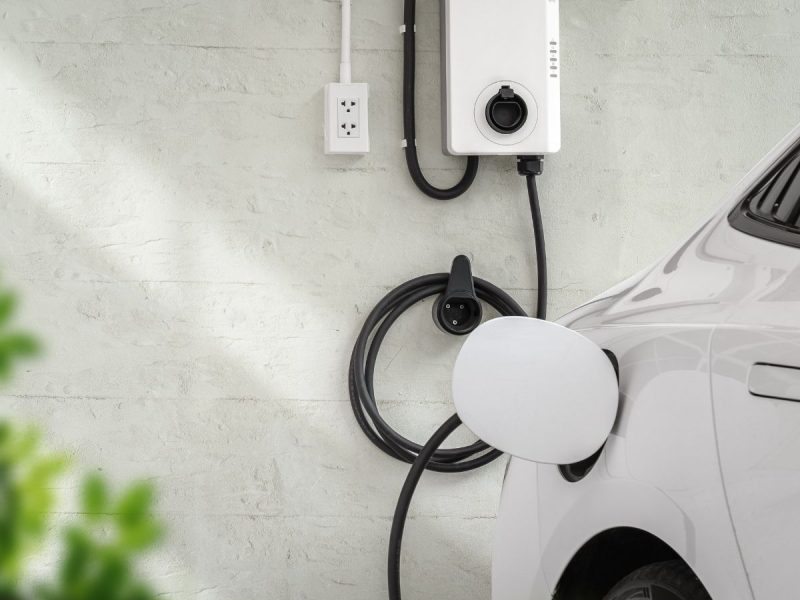
Buying an electric vehicle often leads to a second important decision: how will you charge it at home? While many EV owners spend weeks comparing vehicle models, batteries, and driving ranges, they often spend very little time evaluating their charging options. Yet the charging setup you choose can have a major impact on your daily routine. For homeowners across Vancouver, Burnaby, Coquitlam, Port Moody, the Lower Mainland, and the Fraser Valley, understanding the differences between a Level 1 charger and a Level 2 EV charger can help ensure a better ownership experience from day one.
The good news is that both charging options can successfully power an electric vehicle. The challenge is determining which solution aligns with your driving habits, household needs, and future plans. For some homeowners, the charger included with the vehicle may be perfectly adequate. For others, upgrading to a Level 2 system can dramatically improve convenience and flexibility. Before making a decision, it helps to understand how these charging systems fit into real-world lifestyles.
The Right Charger Depends on How You Actually Drive
Many homeowners assume that the fastest charger is automatically the best choice. While charging speed is important, it is only one piece of the puzzle. The ideal charging solution depends heavily on how the vehicle is used. Imagine two EV owners. One works from home and drives only short distances a few times each week. The other commutes daily between the Fraser Valley and Vancouver and frequently drives hundreds of kilometres each week.
Although both own electric vehicles, their charging requirements are completely different. This is why comparing Level 1 and Level 2 EV charger options begins with understanding your own driving patterns. The best charger is not necessarily the most powerful one. It is the charger that supports your lifestyle without creating inconvenience.
Understanding Level 1 Charging
Every electric vehicle owner starts with a Level 1 charger because it is typically included with the vehicle. These chargers plug into a standard 120-volt household outlet, making them the simplest charging solution available.
The biggest advantage of Level 1 charging is accessibility. There is no additional equipment to purchase and no installation work required beyond having access to a standard outlet. Homeowners can begin charging immediately after bringing their vehicle home.
However, convenience comes with limitations. Level 1 charging delivers power slowly, often adding only a modest amount of driving range per hour. For drivers with minimal daily mileage, this may be sufficient. For households with longer commutes or multiple drivers, charging times can become a source of frustration.
Understanding the Appeal of a Level 2 EV Charger
A Level 2 EV charger operates using a 240-volt electrical circuit similar to those used by electric dryers or ovens. This higher voltage allows vehicles to charge significantly faster than with a standard Level 1 connection.
For many homeowners, the biggest benefit is simplicity. Instead of calculating whether there will be enough charge available for tomorrow’s commute, drivers can plug in overnight and wake up to a fully charged vehicle. This reliability often becomes one of the most appreciated aspects of EV ownership.
The faster charging speed also provides greater flexibility. Unexpected trips, changing schedules, and increased driving demands become easier to accommodate because the vehicle can recover range more quickly. As a result, Level 2 charging is often viewed as the long-term solution for most households.
A Week in the Life: Level 1 vs Level 2
Rather than focusing solely on technical specifications, it can be helpful to consider how these charging options affect everyday life.
With Level 1 charging, homeowners often need to think carefully about when and how often they drive. Long trips may require additional planning, and recovering a depleted battery can take considerable time. While this may not be a problem for some households, it can become inconvenient for others.
A Level 2 EV charger changes the experience significantly. Charging becomes part of a nightly routine rather than something that requires active management. Homeowners gain more confidence knowing the vehicle can quickly recover from heavier usage. This convenience is one reason many EV owners eventually upgrade, even if they initially rely on Level 1 charging.
The Hidden Factor: Future Vehicle Ownership
When evaluating charging options, many homeowners focus entirely on their current vehicle. However, electric vehicle adoption is accelerating throughout British Columbia, and household transportation needs can change quickly.
A family that owns one electric vehicle today may own two within a few years. A household with short commutes may eventually experience different driving demands. Planning for these possibilities can influence the decision between Level 1 and Level 2 charging.
Installing a Level 2 system often provides greater flexibility for future growth. It allows homeowners to adapt more easily as transportation habits evolve without needing to revisit major electrical decisions later.
What About Electricity Costs?
One common misconception is that a Level 2 EV charger significantly increases electricity costs compared to Level 1 charging. In reality, both systems deliver electricity to the same vehicle battery. The primary difference is the speed at which charging occurs.
The amount of electricity required to charge the vehicle generally depends on how much energy the vehicle consumes, not the charger itself. In many cases, charging costs remain similar regardless of whether a homeowner uses Level 1 or Level 2 equipment.
However, some smart Level 2 chargers offer scheduling features that allow charging during off-peak periods when electricity rates may be lower. This can help homeowners optimize energy usage while reducing operating costs.
How Home Design Influences Charger Selection
The layout of your property can also influence which charging solution makes the most sense. Homes with attached garages often have easier access to electrical infrastructure, making Level 2 installations more straightforward.
Properties with detached garages, outdoor parking areas, or older electrical systems may require additional planning. This does not mean a Level 2 charger is not possible, but installation considerations become part of the decision-making process.
Before purchasing equipment, homeowners should evaluate:
- Parking location
- Distance from the electrical panel
- Available electrical capacity
- Future vehicle plans
- Outdoor versus indoor installation needs
A professional assessment helps identify the most practical and cost-effective approach for each property.
What Electricians Recommend Most Often
Electricians throughout the Lower Mainland frequently encounter homeowners who are unsure whether they need a Level 2 charger immediately. The answer often depends less on the vehicle and more on the homeowner’s lifestyle.
Professionals generally recommend evaluating daily driving patterns, future transportation plans, and electrical infrastructure before making a decision. In many cases, homeowners discover that a Level 2 EV charger offers a level of convenience that significantly improves the overall ownership experience.
The team at Castle Electric often works with homeowners who are purchasing their first electric vehicle and are uncertain about charging requirements. By assessing how the vehicle will be used and reviewing the home’s electrical system, they help homeowners select solutions that align with both current and future needs. This approach helps avoid unnecessary upgrades while ensuring the charging setup supports long-term goals.
A Local Trend: BC Homeowners Are Planning Ahead
Across Vancouver, Burnaby, Coquitlam, Port Moody, and the Fraser Valley, more homeowners are viewing EV charging as part of broader home modernization plans. Rather than installing the minimum equipment needed today, many are preparing for future transportation and energy needs.
Some homeowners are combining EV charging projects with electrical service upgrades, smart home systems, or heat pump installations. Others are planning for the possibility of multiple electric vehicles within the household. These decisions reflect a growing awareness that electrical infrastructure plays an important role in future home functionality.
Homeowners interested in preparing their homes for EV ownership can explore Castle Electric’s complete range of electrical services to learn more about EV charging, service upgrades, electrical planning, and modern home technologies.Electric vehicle charging is becoming an important part of modern homeownership. Through Home Services BC, homeowners can explore a variety of trusted home services and connect with experienced professionals throughout British Columbia.
FAQs About Level 2 EV Chargers
Is a Level 2 EV charger worth it for BC homeowners?
For many homeowners, yes. A Level 2 charger offers faster charging, greater convenience, and better support for changing transportation needs.
Can I use a Level 1 charger in Vancouver year-round?
Yes. Many EV owners successfully use Level 1 charging, although charging times may be significantly longer than with a Level 2 system.
How much faster is a Level 2 EV charger?
Charging speed varies by vehicle and charger specifications, but Level 2 charging is substantially faster than Level 1 charging and is often capable of fully charging a vehicle overnight.
Do I need an electrician to install a Level 2 charger in Burnaby?
Yes. Most Level 2 chargers require a dedicated 240-volt circuit and should be installed by a licensed electrician.
Can an older home in Coquitlam support a Level 2 EV charger?
Many older homes can support Level 2 charging, although some may require electrical upgrades depending on existing capacity.
Who should install my Level 2 EV charger in the Fraser Valley?
Homeowners should work with experienced electricians who understand EV charging systems, load calculations, and residential electrical planning.
Final Thoughts
Choosing between Level 1 and a Level 2 EV charger is not simply a question of charging speed. It is a decision that affects convenience, flexibility, future planning, and the overall EV ownership experience. While Level 1 charging may work well for some households, many homeowners find that the added convenience of Level 2 charging quickly becomes indispensable.
By evaluating your driving habits, household needs, and long-term plans, you can select a charging solution that supports your lifestyle today and in the future. If you are evaluating charging options for your electric vehicle, you can contact Castle Electric to discuss your home’s electrical system and determine which charging solution makes the most sense for your needs.