
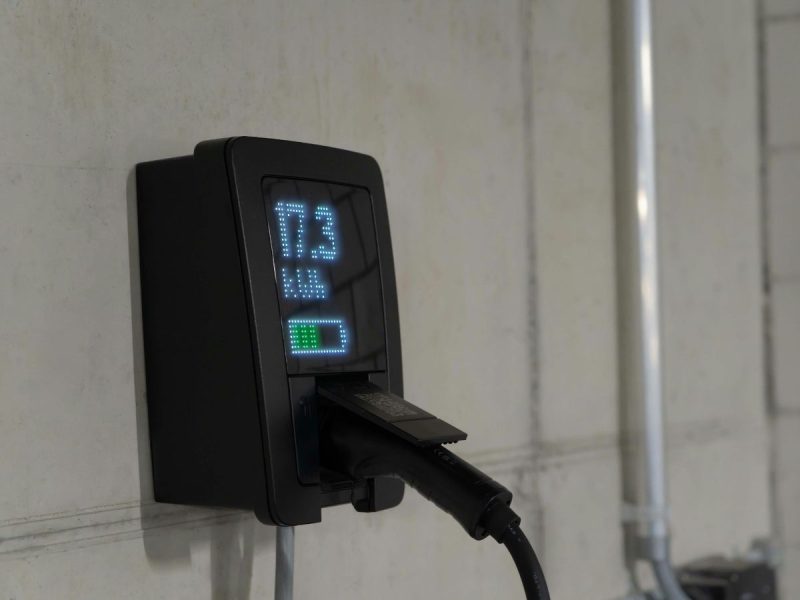
Buying an electric vehicle is often the easy part. The bigger question many homeowners face comes after they bring the vehicle home: Can my existing electrical panel actually support an EV charger? It is a question that deserves careful consideration because your electrical panel is the heart of your home’s electrical system. Every appliance, outlet, light fixture, and major piece of equipment depends on it to safely distribute electricity throughout the house. Adding an EV charger increases that demand, making it important to understand whether your current system is ready for the job.
Across Vancouver, Burnaby, Coquitlam, Port Moody, the Lower Mainland, and the Fraser Valley, electricians are seeing more homeowners prepare for electric vehicles than ever before. Some homes are already equipped to support Level 2 charging with minimal work, while others require modifications before installation can begin. The only way to know for certain is through a proper electrical assessment. Before purchasing a charger, it helps to understand exactly what electricians evaluate and why those details matter.
Your Electrical Panel Tells the Story of Your Home
Most homeowners see the electrical panel as a metal box tucked away in a garage or utility room. For electricians, however, it tells a detailed story about how a home has evolved over time. The panel reveals previous renovations, additions, electrical upgrades, and the overall demand placed on the home’s electrical system.
A panel may show evidence that a basement suite was added years ago, that an air conditioner was installed later, or that new circuits were created for a workshop or hot tub. Each modification changes how electricity is distributed throughout the home. By reading the panel, electricians gain valuable insight into whether additional capacity is available for an EV charger. It is one of the first places they look because it provides answers that homeowners often cannot see themselves.
Five Things an Electrician Checks Before Approving an EV Charger
Many homeowners assume electricians simply look at the panel’s amperage rating before giving an answer. In reality, the evaluation is much more comprehensive. Installing an EV charger safely requires understanding the home’s complete electrical picture.
During an assessment, electricians typically review:
- The size of the electrical service entering the home
- The available space inside the electrical panel
- The home’s current electrical demand
- The condition and age of the panel
- Future electrical plans that could affect capacity
These five areas help determine whether the existing EV charger electrical panel can safely support another dedicated circuit. They also help identify whether upgrades should be completed now or planned for future projects.
Why Empty Breaker Spaces Can Be Misleading
Many homeowners open their electrical panel, notice a few empty breaker slots, and assume there is plenty of room for an EV charger. Unfortunately, empty spaces do not always tell the full story. Think of your electrical panel like a parking lot. Just because there is an empty parking space does not necessarily mean another vehicle should enter if the roads leading into the lot are already congested. Electrical systems work in much the same way. Available breaker space does not automatically mean sufficient electrical capacity exists. Electricians perform load calculations to determine how much electricity the home is already using during peak periods. This calculation is far more important than simply counting unused breaker positions.
The Appliances You Already Own Influence the Answer
Every major appliance in your home competes for available electrical capacity. Electric ranges, dryers, heat pumps, hot tubs, water heaters, and workshop equipment all contribute to the total demand placed on your electrical system. This means two homes with identical panels may receive completely different recommendations. One household may use relatively little electricity throughout the day, while another may already operate near the system’s practical limits. The addition of an EV charger affects each home differently. Rather than evaluating the charger on its own, electricians consider how it fits into the home’s overall electrical ecosystem. This broader perspective helps ensure reliable performance without compromising safety.
Why Future Plans Matter Just as Much as Today’s Needs
One of the most valuable conversations during an electrical assessment often has nothing to do with the current EV charger. Instead, electricians ask homeowners about their future plans. Are you considering a heat pump? Will you eventually install solar panels? Are you planning a basement suite, home addition, or second electric vehicle? These projects all influence how today’s decisions should be made. Planning ahead can often reduce future costs. Instead of completing several smaller electrical upgrades over the next decade, homeowners may benefit from a single long-term strategy that supports multiple improvements at once.
What Happens If Your Panel Isn’t Ready?
Discovering that your panel cannot currently support an EV charger is not necessarily bad news. In many cases, there are several possible solutions depending on the home’s electrical system and the homeowner’s goals.
Potential options may include:
- Installing a load management device
- Reconfiguring existing circuits
- Completing a panel upgrade
- Increasing electrical service capacity
- Planning phased electrical improvements
The right solution depends on the property, budget, and future electrical plans. This is why professional guidance is so valuable. Every home is different, and recommendations should reflect that reality.
Why Professional Assessments Save More Than Money
Some homeowners hesitate to schedule an assessment because they see it as an additional expense. In reality, a professional evaluation often prevents costly mistakes before equipment is purchased. An assessment may reveal that a different charger location would reduce installation costs. It may identify electrical improvements that should be completed before renovations begin. It may even show that the existing panel is already capable of supporting the charger without any major upgrades. Professionals like Castle Electric regularly perform these evaluations for homeowners throughout British Columbia. Rather than starting with a predetermined recommendation, they begin by understanding how the home functions today and how the homeowner expects it to evolve over time.
What Electricians Are Seeing Across BC
As electric vehicle ownership continues to grow, electricians are noticing an interesting trend. More homeowners are requesting complete electrical planning rather than simply asking for an EV charger installation.
The team at Castle Electric has seen increasing numbers of homeowners combine EV charging projects with electrical service upgrades, smart home technology, heat pumps, and future renovation planning. By looking at the entire electrical system instead of a single project, homeowners often make decisions that provide greater long-term flexibility.
If you’re considering an EV charger or other electrical improvements, you can explore Castle Electric’s comprehensive electrical services to learn how integrated electrical planning can help prepare your home for future technologies.Whether you’re planning your first EV charger or preparing your home for future electrical upgrades, Home Services BC can help you connect with experienced professionals through our trusted network of home services.
FAQs About EV Charger Electrical Panels
Can every electrical panel support a Level 2 EV charger?
No. It depends on the home’s electrical service, current electrical demand, available panel capacity, and future electrical requirements.
How do electricians determine if my panel is large enough?
They perform a detailed electrical load calculation, inspect the panel, review major appliances, and evaluate your home’s overall electrical usage.
Is an older electrical panel automatically a problem?
Not necessarily. Many older homes can support EV chargers, but some require upgrades depending on their existing infrastructure and condition.
Should I have my panel inspected before buying an EV charger?
Yes. A professional assessment helps ensure you purchase equipment that matches your home’s electrical capabilities and avoids unexpected installation costs.
Can I add a second EV charger later?
In many cases, yes, but planning for future expansion during the first installation can make future upgrades easier and more cost-effective.
Who should inspect my EV charger electrical panel in the Lower Mainland?
Choose a licensed residential electrician with experience in EV charging systems, electrical load calculations, and long-term electrical planning, such as Castle Electric.
Final Thoughts
Your EV charger electrical panel is more than just a collection of breakers. It determines how safely and efficiently your home can support new technologies, including electric vehicle charging. Understanding its capabilities before purchasing a charger helps prevent delays, unexpected expenses, and unnecessary upgrades. A professional assessment provides a clear picture of your home’s current electrical capacity while helping you prepare for future improvements. If you’re unsure whether your electrical panel is ready for an EV charger, you can contact Castle Electric to arrange a professional assessment tailored to your home’s electrical system.