
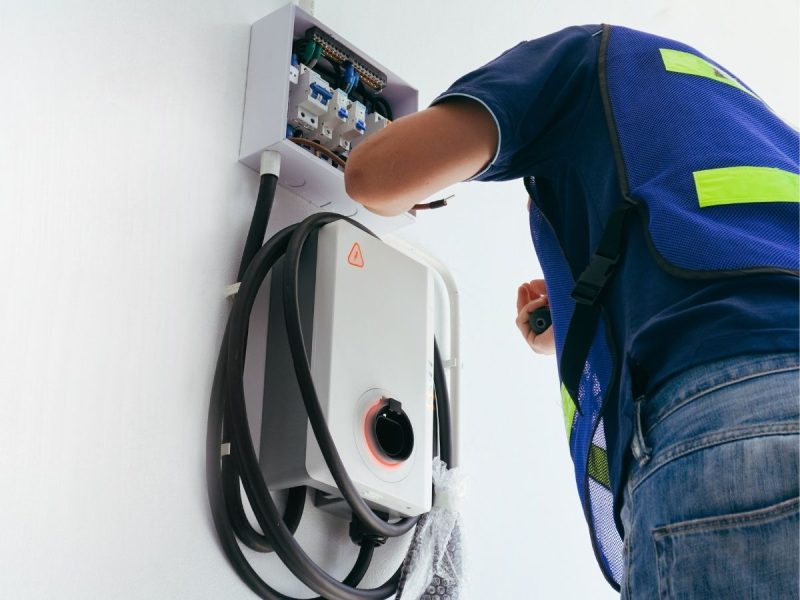
Installing a home charging station is one of the first upgrades many electric vehicle owners make. It transforms the ownership experience by allowing drivers to charge overnight instead of relying on public charging stations. However, a successful EV charger installation involves more than choosing a charger and finding a place to mount it. Decisions made before the installation begins can affect convenience, future expansion, installation costs, and even the long-term performance of your home’s electrical system.
Across Vancouver, Burnaby, Coquitlam, Port Moody, the Lower Mainland, and the Fraser Valley, more homeowners are preparing their homes for electric vehicles. While every property is different, electricians often see the same avoidable mistakes repeated from one project to the next. Learning from these experiences can help homeowners save time, reduce unnecessary expenses, and build a charging setup that continues to meet their needs as technology evolves.
Mistake #1: Buying the Charger Before Understanding Your Home
Many homeowners begin by shopping online for charging equipment. They compare brands, charging speeds, and prices before anyone has looked at their home’s electrical system. Although this seems logical, it can sometimes create unnecessary complications.
Not every charger is the right fit for every property. Some homes may not require the highest-powered model available, while others may benefit from features that homeowners did not initially consider. Purchasing equipment before understanding the home’s electrical capacity can lead to additional costs or compatibility issues.
A better approach is to start with an electrical assessment. Once you understand your home’s capabilities, selecting the right charger becomes much easier. Instead of trying to make your house fit the charger, you can choose a charger that fits your home.
Mistake #2: Designing Around Today’s Vehicle Instead of Tomorrow’s
An EV charger is likely to remain in your home much longer than your current vehicle. While homeowners naturally focus on the car they own today, experienced electricians often encourage them to think five or ten years into the future.
Will another family member eventually purchase an electric vehicle? Could your next EV have a larger battery or faster charging capability? Are you planning a home renovation that may change where vehicles are parked?
These questions influence charger placement, electrical capacity, and wiring decisions. A little extra planning today can prevent expensive changes later and make your EV charger installation a better long-term investment.
Mistake #3: Choosing the Wrong Location
One of the most common regrets homeowners have is not spending enough time thinking about charger placement. The most convenient wall is not always the best location.
Before installation, consider how you normally park your vehicle. Think about the location of the charging port, cable length, garage storage, and whether another vehicle shares the space. Also consider whether you might own a different electric vehicle in the future with a charging port located elsewhere on the vehicle.
The ideal location balances convenience, accessibility, safety, and installation efficiency. Small adjustments during the planning stage can make charging far more convenient for years to come.
Mistake #4: Forgetting About the Rest of the House
An EV charger is only one part of your home’s electrical system. It shares available electrical capacity with heating equipment, kitchen appliances, laundry machines, entertainment systems, and every other electrical device in the house.
Some homeowners think about the charger as an isolated project when it should really be viewed as part of a much larger electrical ecosystem. If your home is also planning a heat pump, hot tub, workshop, or secondary suite, those future projects should be considered during charger planning.
Professional electricians evaluate how all of these systems work together. This broader perspective helps homeowners avoid electrical limitations that could affect future upgrades.
Mistake #5: Assuming Every Installation Is Similar
Online videos often make EV charger installation appear straightforward. While some projects are relatively simple, others involve unique electrical challenges that are not immediately obvious.
Factors such as the age of the home, panel location, garage configuration, existing electrical service, and municipal requirements all influence the installation process. Two neighbouring homes can require completely different approaches despite using identical charging equipment.
This is one reason experienced electricians avoid providing identical recommendations for every property. Every installation should begin with understanding the home’s unique characteristics rather than following a generic checklist.
Mistake #6: Looking Only at the Installation Cost
Budget is important, but focusing exclusively on the initial installation price can sometimes result in higher long-term costs.
For example, a homeowner may save money by installing the smallest charger possible today, only to replace it after purchasing a second electric vehicle. Another homeowner may avoid a panel upgrade now but require much more extensive electrical work after completing a renovation.
Looking at the bigger picture often leads to better value. Instead of asking, “What’s the cheapest installation?” homeowners may benefit from asking, “What installation will still make sense ten years from now?”
Mistake #7: Ignoring Smart Charging Features
Many homeowners purchase chargers based only on charging speed. While speed is important, modern charging systems offer additional features that can improve convenience and efficiency.
Depending on the model, smart chargers may allow homeowners to:
- Schedule charging during off-peak hours
- Monitor electricity usage
- Track charging history
- Receive maintenance notifications
- Manage multiple electric vehicles
Not every homeowner needs these features, but understanding the available options before purchasing equipment can help avoid future regrets.
Mistake #8: Waiting Until Delivery Day
One situation electricians encounter regularly is homeowners contacting them after receiving notice that their new electric vehicle will arrive within days.
This compressed timeline can create unnecessary stress. Equipment may need to be ordered, permits obtained, and electrical assessments completed before installation begins. Scheduling these tasks after the vehicle has already arrived can leave homeowners relying on slow Level 1 charging while waiting for installation.
Planning several weeks in advance provides more flexibility and allows homeowners to make thoughtful decisions rather than rushed ones.
What Professional Electricians Do Differently
Experienced electricians approach EV charger installation differently than most homeowners because they are thinking beyond the immediate project. Rather than asking, “Where should we mount the charger?” they often ask broader questions.
They want to know:
- How long do you plan to stay in the home?
- Are renovations planned?
- Will another EV likely be purchased?
- Are you considering solar panels or battery storage?
- Will your household’s electrical needs change?
Professionals such as Castle Electric begin projects with these conversations because they help shape recommendations that continue to provide value long after the installation is complete. Instead of simply installing equipment, they help homeowners build an electrical system that is ready for the future.
Electrical Upgrades in British Columbia
One noticeable trend throughout Vancouver, Burnaby, Coquitlam, Port Moody, and the Fraser Valley is that homeowners are thinking more strategically about electrical upgrades. Instead of treating EV charging as a standalone project, many are combining it with broader home improvements.
Castle Electric has worked with homeowners who planned EV chargers alongside service upgrades, heat pumps, smart home automation, outdoor electrical projects, and future solar installations. Coordinating these improvements often reduces future disruption while creating a more efficient electrical system overall.
Homeowners who want to modernize their homes can explore Castle Electric’s complete range of electrical services to learn more about EV charging, service upgrades, lighting, automation, and residential electrical planning.Installing an EV charger is one of many ways homeowners are preparing their homes for the future. Through Home Services BC, you can browse trusted home services and connect with experienced professionals who specialize in residential electrical projects and home improvements.
FAQs About EV Charger Installation
What is the biggest mistake homeowners make during EV charger installation?
One of the most common mistakes is purchasing a charger before understanding the home’s electrical capacity and future charging needs.
Should I install my charger where I currently park?
Usually, yes, but you should also consider future vehicle purchases, garage layout, cable reach, and long-term convenience before deciding on the final location.
Do I need an electrician before buying a charger?
It’s highly recommended. A professional assessment helps ensure you choose equipment that matches your home’s electrical system and future plans.
Can I prepare my home for two EVs even if I only own one today?
Yes. Many homeowners choose to future-proof their electrical system during the initial installation to make adding a second charger easier later.
Are smart EV chargers worth considering?
For many homeowners, smart chargers offer valuable features such as scheduled charging, energy monitoring, and remote management that improve convenience and efficiency.
Who should perform EV charger installation in the Lower Mainland?
Choose a licensed electrician with experience in EV charging systems, residential electrical planning, and modern home electrical upgrades, such as Castle Electric.
Final Thoughts
A successful EV charger installation begins long before the charger is mounted on the wall. By avoiding common mistakes, planning for future needs, and understanding how your home’s electrical system supports the project, you can create a charging solution that delivers convenience, reliability, and long-term value. Thoughtful planning often costs very little but can prevent expensive changes in the future. If you’re planning an EV charger installation, you can contact Castle Electric to schedule a professional consultation and receive recommendations tailored to your home and future plans.