
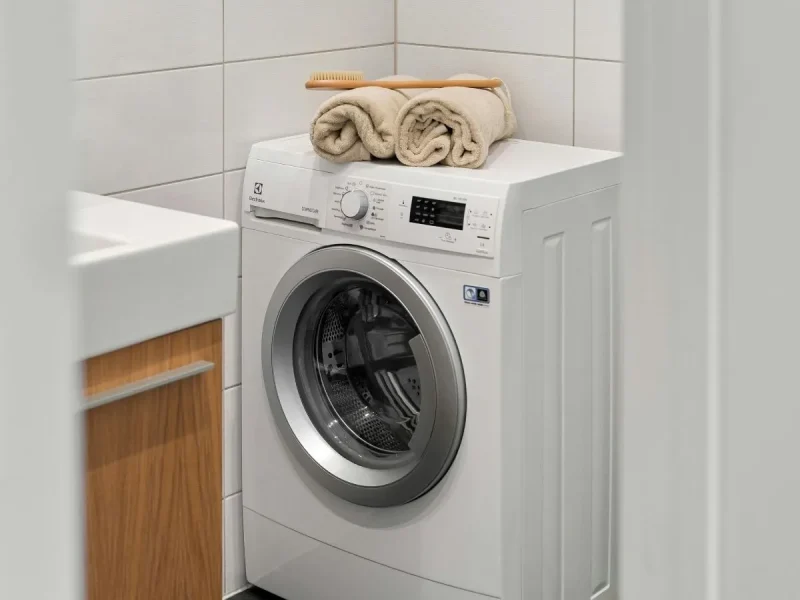
Buying a washing machine is a significant investment, and one of the first decisions homeowners make is whether to choose a front load or top load model. Both types offer unique advantages, but neither is immune to wear and tear over time. Understanding the common issues associated with each style can help you identify problems early and know when it’s time to schedule professional washing machine repair. Taking action before a small issue becomes a major failure can save you money and extend the life of your appliance.
Although many washer problems appear similar, the underlying causes often differ depending on the machine’s design. A front load washer uses a horizontal drum with a sealed door, while a top load washer operates with a vertical drum and different suspension and drive systems. Because these machines function differently, they also experience different types of mechanical and electrical failures. Knowing these differences allows homeowners to make informed maintenance and repair decisions.
Understanding the Difference Between Front Load and Top Load Washers
Before comparing common repair issues, it’s helpful to understand how these machines operate. Although both clean clothes effectively, their internal components differ considerably. Those differences directly affect the types of repairs homeowners are most likely to encounter during the appliance’s lifespan.
A front load washer rotates clothes through a partially filled drum, allowing gravity to tumble garments through water and detergent. This design uses less water and generally consumes less energy while providing excellent cleaning performance. However, the sealed door and more complex suspension system introduce components that require regular maintenance.
A top load washer uses an agitator or impeller to move clothing through water inside a vertically positioned drum. These machines are often easier to load and unload, particularly for homeowners who prefer not to bend over. Their simpler door design eliminates some issues found in front load models, but other mechanical components experience greater stress during operation.
Common Problems with Front Load Washers
Front load washers have become increasingly popular because of their efficiency and fabric-friendly cleaning performance. Despite these advantages, they also have several maintenance concerns that homeowners should understand. Regular inspection and prompt repairs help prevent small issues from becoming expensive breakdowns.
Door Seal Mould and Mildew
One of the most well-known issues affecting a front load washer is mould growth around the rubber door gasket. Since the door creates a watertight seal during operation, moisture often remains trapped inside after each cycle. Without proper ventilation, mould and mildew can develop, leading to unpleasant odours that transfer onto clothing.
Homeowners can reduce this risk by wiping the gasket dry after each load and leaving the door slightly open between washes. However, if the seal becomes cracked, warped, or heavily contaminated, professional replacement may be necessary. Damaged door seals can eventually cause leaks that require expert washing machine repair.
Water Leaks Around the Door
Unlike top load machines, front load washers rely entirely on the integrity of the door gasket to contain water. Over time, repeated opening and closing can wear the rubber seal or allow small tears to develop. Foreign objects such as coins, buttons, or zippers may also damage the gasket during normal use. Even a minor leak should be inspected promptly because water can damage flooring, cabinetry, and nearby walls. Professional technicians can determine whether the issue involves the door seal, hinge alignment, or another component within the washer.
Bearing Wear from High-Speed Spinning
Front load washers often spin at much higher speeds than top load models to remove more moisture from clothing. While this improves drying efficiency, it also places greater stress on drum bearings. As these bearings wear, homeowners may begin hearing grinding, rumbling, or roaring noises during the spin cycle. Replacing drum bearings is a complex repair that requires extensive disassembly of the appliance. Because the repair involves specialized tools and precise reassembly, it is best handled by qualified technicians rather than attempted as a DIY project.
Common Problems with Top Load Washers
Top load washers have earned a reputation for durability and ease of use. Their straightforward design often means fewer issues related to door seals and moisture buildup. However, they are still mechanical appliances with moving parts that experience wear over time. Understanding their most common problems can help you determine when professional service is needed.
Agitator or Impeller Problems
The agitator or impeller is responsible for moving clothes through the water during the wash cycle. If this component becomes loose, worn, or damaged, your laundry may not come out as clean as expected. You might notice clothing remaining tangled, detergent not dissolving properly, or stubborn stains that weren’t removed during washing. These symptoms often indicate that the washer isn’t agitating correctly. In some cases, the issue may involve worn drive dogs, damaged splines, or a failing transmission rather than the agitator itself. Because several components work together, diagnosing the exact cause requires professional inspection. Replacing only the visible part may not solve the underlying problem if another component has failed.
Unbalanced Loads and Excessive Vibration
Top load washers are generally more prone to becoming unbalanced than front load models. Large blankets, comforters, or unevenly distributed clothing can cause the drum to shake violently during the spin cycle. While redistributing the load may solve the issue temporarily, repeated excessive vibration often points to worn suspension rods or damaged balancing components.
Ignoring persistent vibration places additional strain on the motor, bearings, and cabinet frame. Over time, these stresses can shorten the lifespan of the appliance and increase repair costs. Professional technicians can determine whether the issue is caused by normal wear or a more significant mechanical failure.
Lid Switch Failures
Unlike front load washers, top load models include a safety lid switch that prevents the machine from operating while the lid is open. If this switch becomes damaged or misaligned, the washer may refuse to start or suddenly stop during a cycle. Although the machine may appear completely unresponsive, the problem often involves this small but essential safety component. Since lid switch failures can mimic electrical or control board problems, accurate diagnosis is important. A qualified technician can test the switch, inspect the wiring, and verify that all safety systems are functioning correctly before replacing any parts unnecessarily.
Problems Both Washer Types Can Experience
Although front load and top load washers have unique designs, many problems affect both styles. Age, frequent use, poor maintenance, and normal wear eventually impact components regardless of the machine’s configuration. Recognizing these shared issues helps homeowners know when it’s time to seek professional assistance.
Drainage Issues
Whether you own a front load or top load washer, drainage problems are among the most common service calls. Blocked drain hoses, clogged filters, or failing drain pumps can prevent water from leaving the drum at the end of the cycle. This leaves clothes soaking wet and may produce unpleasant odours if standing water remains inside the appliance. Professional technicians inspect the entire drainage system rather than simply clearing visible blockages. This ensures hidden issues such as damaged pumps or partially obstructed hoses are also addressed. Proper diagnosis reduces the likelihood of repeat breakdowns and improves long-term reliability.
Water Inlet Valve Problems
The water inlet valve controls the amount of hot and cold water entering your washing machine. When this component begins to fail, the appliance may fill too slowly, overfill, or fail to fill altogether. Mineral buildup from hard water can also interfere with the valve’s operation over time. Because water flow problems can originate from household plumbing or the appliance itself, professional testing is often necessary. Technicians can determine whether the valve requires cleaning, repair, or replacement while checking for additional issues affecting water pressure.
Electronic Control Board Failures
Modern washing machines rely heavily on electronic control boards to coordinate every stage of the wash cycle. When these boards malfunction, homeowners may notice flashing error codes, interrupted cycles, or completely unresponsive controls. Electrical surges, moisture, and normal ageing are common causes of electronic failures. Control board replacement should always be performed by experienced appliance repair professionals. These components require specialized testing equipment, and installing the wrong replacement can lead to additional problems. Accurate diagnosis helps ensure the correct repair is completed the first time.
Which Washer Type Requires More Repairs?
There isn’t a simple answer to this question because both washer styles have their strengths and weaknesses. Front load washers generally require more attention to door seals, bearings, and moisture management. Their advanced features and higher spin speeds also introduce additional components that may require servicing over time.
Top load washers often have fewer issues related to mould and leaking door seals, but they can experience more problems involving agitators, suspension systems, and lid switches. The actual repair frequency depends less on the type of washer and more on how well it has been maintained. Regular cleaning, avoiding overloading, and addressing small problems early can significantly extend the lifespan of either appliance. If you’re interested in learning more about caring for household appliances and avoiding costly breakdowns, the Home Services BC podcast features practical advice from industry professionals on appliance maintenance and home care.
How to Reduce Washer Problems and Extend Appliance Life
Whether you own a front load or top load washer, regular maintenance is one of the best ways to avoid unexpected repairs. Small habits can make a significant difference in how efficiently your appliance operates and how long it lasts. While routine care cannot prevent every mechanical failure, it can reduce unnecessary wear on important components. Investing a little time in maintenance today can save you from costly washing machine repair down the road.
Here are a few simple ways to keep your washer in good condition:
- Avoid overloading the drum, as excessive weight strains the motor and suspension system.
- Use the recommended amount of high-quality detergent to prevent residue buildup.
- Clean the detergent drawer, filters, and door gasket regularly.
- Leave the door or lid open after each load so moisture can evaporate.
- Check water supply hoses periodically for cracks, bulges, or leaks.
- Empty pockets before washing to prevent coins, keys, and other small objects from damaging internal components.
Scheduling professional maintenance every few years is also a smart investment, particularly if your washer is used frequently. During a service appointment, technicians can identify worn parts before they fail completely, helping you avoid unexpected interruptions to your daily routine.
When Should You Call a Professional?
Some minor issues, such as redistributing an uneven load or cleaning a clogged filter, can often be handled at home. However, problems involving electrical systems, internal leaks, motors, or drum assemblies should always be inspected by experienced technicians. Attempting complex repairs without the proper knowledge can lead to additional damage and may even create safety hazards.
You should arrange professional service if you notice:
- Persistent leaking around the appliance.
- Loud grinding, banging, or squealing noises.
- The washer stopping before the cycle finishes.
- Burning smells or signs of overheating.
- Water failing to drain completely.
- Error codes that continue appearing after restarting the machine.
- Excessive vibration that doesn’t improve after balancing the load.
Prompt repairs not only restore your washer’s performance but also help protect other components from unnecessary wear. Professional technicians use specialized diagnostic equipment to identify the true cause of the problem rather than simply replacing parts based on guesswork.
Frequently Asked Questions
Which lasts longer: a front load or top load washer?
Both types can last 10 to 15 years or longer when properly maintained. Lifespan depends more on usage, maintenance, and repair history than the style of washer itself. Regular cleaning and prompt repairs help maximize the life of either appliance. Professional maintenance also allows technicians to identify worn parts before they fail.
Why do front load washers develop unpleasant odours?
Front load washers use airtight door seals that trap moisture inside the drum after each cycle. Without proper ventilation, mould and mildew can develop around the rubber gasket. Leaving the door slightly open after washing and cleaning the gasket regularly helps reduce moisture buildup. If odours persist, the door seal may require professional cleaning or replacement.
Are top load washers easier to repair?
Top load washers often have a simpler mechanical design, making some repairs more straightforward. However, they can still experience complex problems involving transmissions, motors, electronic controls, and suspension systems. The difficulty of the repair depends on the specific issue rather than the washer style. Professional diagnosis remains the best way to identify the correct solution.
Can I continue using my washer if it’s making loud noises?
It’s generally not recommended. Unusual noises often indicate worn bearings, loose components, or damaged suspension parts that can deteriorate quickly with continued use. Operating the appliance may increase repair costs if additional parts become damaged. Scheduling an inspection early can often prevent more extensive repairs.
How do I know if I need washing machine repair or a replacement?
If your washer is relatively new and has been reliable until recently, repair is often the more economical choice. Older machines with repeated major failures may be better candidates for replacement. A qualified technician can assess the condition of your appliance and help you compare repair costs with the value of purchasing a new washer.
Final Thoughts
Both front load and top load washers are designed to provide years of dependable performance, but every appliance experiences wear over time. Understanding the common issues associated with each type helps you recognize warning signs before they develop into major breakdowns. Whether you’re dealing with leaks, excessive vibration, drainage problems, or electrical faults, timely repairs protect both your appliance and your investment.
At Home Services BC, we help homeowners connect with trusted professionals who understand the importance of fast, reliable appliance service. If your washer isn’t performing the way it should, don’t wait for a complete breakdown to take action. For expert repairs, visit Edellin Home Services or schedule an appointment through their contact page. Experienced technicians can diagnose the problem accurately and help keep your laundry routine running smoothly for years to come.