
Choosing between a gas dryer and an electric dryer is an important decision for many homeowners. Both appliances are designed to dry clothes efficiently, but they operate in very different ways. These differences not only affect energy consumption and installation requirements but also influence the types of repairs each appliance may need over time. Understanding the most common repair issues can help you recognize early warning signs and know when it’s time to schedule professional dryer service.
Although gas and electric dryers share many mechanical components, such as the drum, blower motor, drive belt, and rollers, their heating systems are completely different. Because of this, the causes of poor drying performance, heating failures, and safety concerns often vary depending on the type of dryer you own. Knowing these distinctions allows homeowners to make better maintenance decisions and avoid unnecessary repairs.
How Gas and Electric Dryers Work
Before comparing repair issues, it’s helpful to understand how each type of dryer generates heat. While both circulate warm air through the drum to remove moisture from clothing, the heat source differs significantly. An electric dryer uses a heating element powered by electricity. As electrical current passes through the heating coil, it generates heat that is distributed throughout the drum by a blower fan. Electric dryers typically have a simpler heating system with fewer individual components. A gas dryer uses natural gas or propane to produce heat. An electric igniter lights the gas burner, while gas valve coils regulate the flow of fuel. This system provides efficient heating but includes several additional components that require regular inspection and occasional servicing.
Common Repairs for Electric Dryers
Electric dryers are generally known for their straightforward design. Since they don’t rely on combustible fuel, their heating systems are mechanically simpler than those found in gas models. However, they still experience wear over time and require professional maintenance when problems develop.
Burned-Out Heating Elements
One of the most common reasons homeowners seek electric dryer repair is a failed heating element. After years of repeated heating and cooling, the metal coil inside the element can weaken and eventually burn out. When this happens, the dryer continues tumbling clothes but produces little or no heat.
Signs of a failed heating element include:
- Clothes remain damp after a complete cycle.
- The drum rotates normally without producing heat.
- Drying times become much longer than usual.
- The dryer completes its cycle but laundry stays cool.
Professional technicians can test the heating element and determine whether replacement is necessary.
Thermal Fuse Failures
Electric dryers include a thermal fuse that protects the appliance from overheating. If airflow becomes restricted because of a clogged vent or another issue, the fuse may blow to prevent damage. Once this safety device activates, the dryer may stop heating or fail to start altogether. Simply replacing the thermal fuse without addressing the cause of overheating often results in repeated failures. Professional dryer service includes inspecting the entire ventilation system to ensure proper airflow before installing replacement components.
Electrical Supply Problems
Electric dryers require a dedicated high-voltage electrical circuit. If one side of the power supply is interrupted because of a damaged breaker, loose wiring, or faulty outlet, the drum may still rotate while the heating element receives insufficient power. Because diagnosing high-voltage electrical systems requires specialized equipment and safety precautions, homeowners should avoid attempting these repairs themselves. Experienced technicians can safely verify whether the appliance or household electrical supply is responsible for the problem.
Common Repairs for Gas Dryers
Gas dryers are known for their energy efficiency and fast drying times, but they also contain additional components that require periodic maintenance. Because these appliances use natural gas or propane, repairs often involve both mechanical and gas-related systems. This is why gas dryer repair should always be performed by qualified professionals who understand the appliance’s safety features.
Faulty Igniter
The igniter is responsible for lighting the gas burner at the beginning of each heating cycle. If the igniter becomes weak or burns out completely, the dryer may continue tumbling clothes without producing heat. Homeowners often mistake this symptom for a simple electrical issue because the appliance appears to operate normally.
Common signs of a faulty igniter include:
- The drum spins but clothes remain cold.
- The dryer starts normally but never heats.
- Drying times become much longer than usual.
- The burner never ignites during operation.
Testing and replacing an igniter requires specialized knowledge of the dryer’s gas and electrical systems, making professional service the safest option.
Defective Gas Valve Coils
Gas valve coils control the flow of natural gas to the burner assembly. As these coils age, they may work intermittently, allowing the dryer to heat briefly before shutting off unexpectedly. This often causes inconsistent drying performance that becomes more noticeable over time. A dryer with failing gas valve coils may begin each cycle with heat but gradually cool as the burner stops relighting. Professional technicians can test these coils and determine whether replacement is necessary to restore reliable heating.
Burner Assembly Problems
The burner assembly combines the igniter, flame sensor, gas valve, and burner tube into one heating system. Dust, lint, corrosion, or worn components can interfere with normal burner operation. If one part of the assembly malfunctions, the entire heating system may fail to operate efficiently. Because the burner handles combustible gas, repairs should never be attempted without proper training. Professional gas dryer repair ensures every safety component is inspected before the appliance is returned to service.
Problems Both Dryer Types Share
Although gas and electric dryers have different heating systems, many repair issues affect both appliances equally. These components experience normal wear regardless of how heat is produced. Regular maintenance helps reduce the likelihood of these common problems while extending the overall lifespan of your dryer.
Worn Drum Rollers
Drum rollers support the rotating drum throughout each drying cycle. As they wear, homeowners may begin hearing squealing, thumping, or rumbling noises during operation. Ignoring these sounds allows additional strain to develop on the motor and drive system. Replacing worn rollers early often prevents more extensive repairs. During professional dryer service, technicians typically inspect all supporting components to ensure smooth drum operation.
Damaged Drive Belt
The drive belt rotates the drum while the dryer operates. Over time, the belt can stretch, crack, or break due to normal use. A slipping belt may reduce tumbling efficiency, while a broken belt prevents the drum from turning altogether.
Signs of drive belt problems include:
- The motor runs but the drum doesn’t turn.
- Squealing noises when starting the dryer.
- Inconsistent tumbling.
- Burning rubber odours.
Replacing the belt also provides an opportunity to inspect pulleys, rollers, and the motor for additional wear.
Blocked Dryer Vent
One of the most common issues affecting both gas and electric dryers is restricted airflow caused by lint buildup inside the exhaust vent. Poor airflow forces the dryer to operate longer, reduces efficiency, and increases operating temperatures. In addition to causing poor drying performance, blocked vents significantly increase the risk of overheating. Routine vent cleaning improves airflow, reduces energy consumption, and helps protect important heating components from unnecessary wear.
Faulty Moisture Sensors
Many modern dryers use moisture sensors to determine when clothing is dry. If these sensors become coated with residue from dryer sheets or fabric softeners, they may incorrectly detect moisture levels. As a result, the dryer may stop too early or continue running much longer than necessary. Professional technicians can clean, test, and replace faulty sensors if needed, restoring proper automatic drying performance.
Which Dryer Is Easier to Repair?
Neither gas nor electric dryers are necessarily easier to repair because each has its own strengths and challenges. Electric dryers generally have fewer heating components, making some repairs more straightforward. However, electrical supply problems and heating element failures still require specialized diagnostic equipment.
Gas dryers include additional parts such as igniters, flame sensors, burner assemblies, and gas valve coils. While these components provide efficient heating, they also require technicians with experience working safely around gas appliances. In either case, professional diagnosis helps ensure repairs are completed correctly while protecting the safety and reliability of the appliance.
If you’d like to learn more about maintaining your household appliances and preventing common breakdowns, the Home Services BC podcast features practical advice from industry professionals covering appliance maintenance, home ownership, and repair best practices.
How to Keep Your Dryer Running Efficiently
Whether you own a gas or electric dryer, regular maintenance is the key to reducing repairs and extending the life of your appliance. Many common problems develop gradually and can often be prevented through routine cleaning, proper operation, and timely inspections. Taking care of your dryer not only improves performance but also lowers energy consumption and helps reduce the risk of unexpected breakdowns.
Here are some simple maintenance habits that benefit both dryer types:
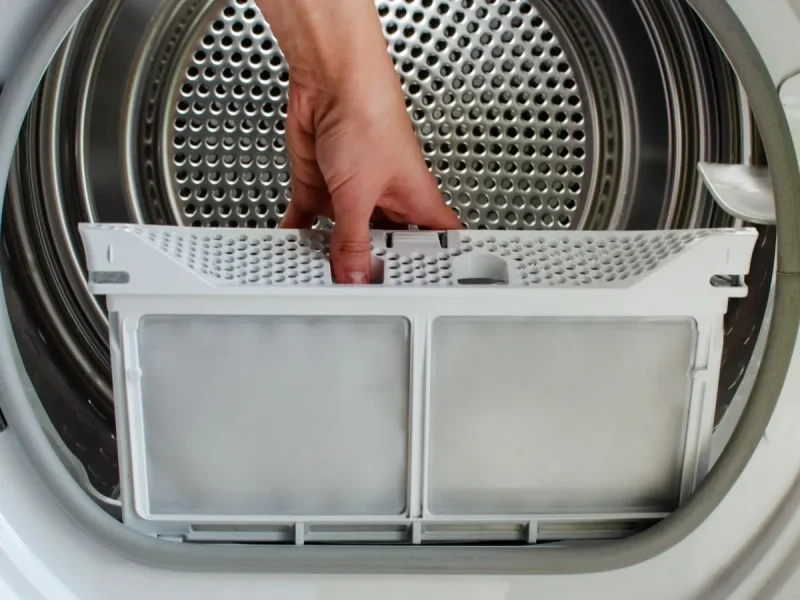
- Clean the lint filter after every load.
- Schedule professional vent cleaning at least once a year.
- Avoid overloading the drum with heavy items.
- Separate bulky fabrics from lighter clothing to improve airflow.
- Inspect the outdoor exhaust vent regularly to ensure it opens freely.
- Pay attention to unusual noises, burning smells, or longer drying times.
- Arrange professional maintenance if your dryer begins showing signs of reduced performance.
Following these practices helps reduce wear on the heating system, motor, drum rollers, and other essential components, regardless of whether your dryer uses electricity or gas.
When Should You Call a Professional?
While cleaning the lint filter and checking the exterior vent are simple maintenance tasks homeowners can handle, most internal dryer repairs require specialized tools and experience. Both gas and electric dryers contain electrical components, and gas models add the complexity of fuel lines and burner assemblies. Attempting repairs without proper training can create safety hazards and may lead to more expensive damage.
You should arrange professional dryer service if you notice:
- The dryer tumbles but produces little or no heat.
- Clothes consistently require multiple drying cycles.
- Burning smells during operation.
- Loud squealing, grinding, or thumping noises.
- The dryer repeatedly shuts off before completing a cycle.
- Error codes appearing on the control panel.
- Gas odours or irregular burner operation on gas dryers.
Experienced technicians can safely determine whether the issue involves the heating system, electrical components, airflow restrictions, sensors, or mechanical parts. Accurate diagnosis ensures the repair addresses the root cause rather than simply treating the symptoms.
Frequently Asked Questions
Is a gas dryer more expensive to repair than an electric dryer?
Not necessarily. Repair costs depend on the specific component that has failed rather than the type of dryer. Gas dryers have additional parts, such as igniters and gas valve coils, while electric dryers commonly require heating element or electrical repairs. A professional inspection provides the most accurate estimate.
How do I know if I need gas dryer repair?
If your gas dryer tumbles but doesn’t produce heat, heats inconsistently, or you notice unusual burner behaviour, it may require gas dryer repair. Any gas-related concerns should always be inspected by a qualified technician to ensure the appliance operates safely.
What is the most common electric dryer repair?
One of the most common electric dryer repair services is replacing a failed heating element. Other frequent repairs include replacing thermal fuses, thermostats, and addressing electrical supply issues that prevent the heating system from operating properly.
Do both gas and electric dryers need vent cleaning?
Yes. Regardless of how the dryer generates heat, both types rely on proper airflow to dry clothes efficiently. Regular vent cleaning improves drying performance, reduces energy consumption, and lowers the risk of overheating and lint-related fires.
Which type of dryer lasts longer?
Both gas and electric dryers can provide 10 to 15 years or more of reliable service when properly maintained. Routine dryer service, timely repairs, and regular vent cleaning play a much larger role in determining lifespan than the type of dryer itself.
Final Thoughts
Whether you own a gas or electric dryer, understanding how each appliance works makes it easier to recognize problems before they become costly repairs. From heating issues and worn mechanical components to restricted airflow and sensor failures, addressing small concerns early helps improve efficiency, extend the life of your appliance, and reduce unexpected breakdowns. Regular maintenance and professional inspections remain the best way to keep your dryer operating safely and reliably.
At Home Services BC, we’re committed to helping homeowners find trusted professionals for dependable appliance care. If your dryer isn’t heating properly, is taking too long to dry clothes, or has started showing other warning signs, don’t wait for the problem to get worse. For expert dryer repair, visit Edellin Home Services or schedule a service appointment through their contact page. Experienced technicians can accurately diagnose the issue and provide the professional service needed to keep your laundry routine running smoothly.