
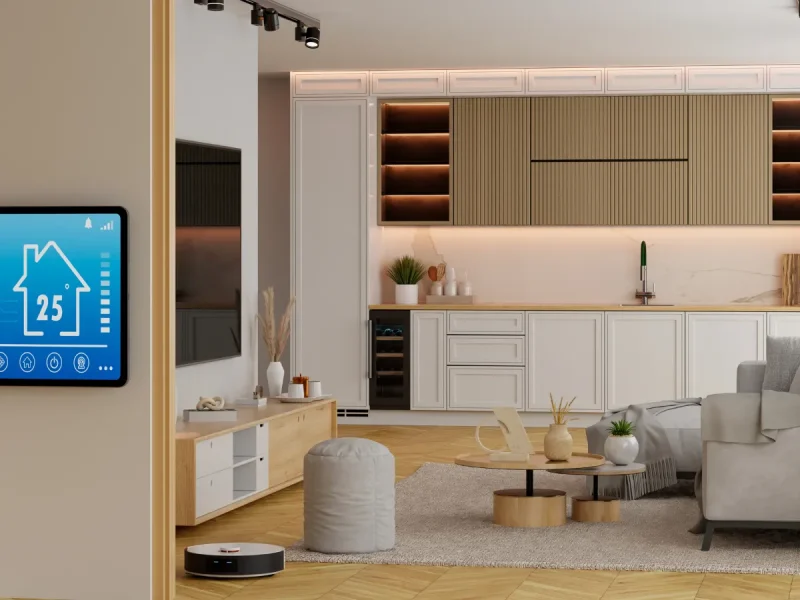
Getting started with home automation can feel overwhelming when you see how many gadgets and systems are on the market today. Between smart speakers, connected locks, thermostats, and lighting kits, it is easy to wonder where to even begin. That is why we put together this home automation guide specifically for BC homeowners who want to make their homes smarter without the stress or the guesswork.
What Is Home Automation, Exactly?
Home automation simply means using connected technology to control and monitor different parts of your home, often from a single app or voice assistant. This can include things like adjusting your thermostat from your phone, locking your front door remotely, or setting your lights to turn on automatically at sunset. The goal is to make everyday tasks easier while also improving efficiency and security around the house. Many people assume home automation requires a huge budget or a complete rewiring of their home, but that is not always the case. In reality, most homeowners start small with one or two devices and expand their system gradually over time as they get more comfortable with the technology.
Why BC Homeowners Are Turning to Smart Technology
British Columbia has a unique mix of urban condos, coastal homes, and rural properties, and homeowners across all these settings are finding real benefits in home automation. Rising electricity costs have made energy monitoring tools especially popular, since they help families see exactly where their money is going each month. The province’s damp climate also makes smart humidity and air quality sensors a practical addition for many households. On top of that, BC’s active real estate market means homeowners are thinking ahead about resale value, and smart features are increasingly attractive to buyers. Whether the motivation is savings, safety, or simple convenience, more and more BC residents are deciding that now is the right time to get started.
Key Home Automation Categories for Beginners
If you are new to this space, it helps to break things down into a few main categories rather than trying to tackle everything at once. Focusing on one area at a time makes the process far less overwhelming and lets you learn what actually works for your household. Here are the categories most beginners should consider first.
Smart Lighting
Lighting is usually the easiest and most affordable place to start. Smart bulbs and switches let you control brightness, colour, and schedules right from your phone or a voice assistant. You can set lights to turn off automatically when you leave a room or create a cozy evening setting with a single tap. Many beginners find lighting to be the most satisfying upgrade because the results are immediate and easy to see. It also requires minimal technical knowledge, which makes it a great first project for anyone dipping their toes into automation.
Smart Thermostats
Thermostats are another beginner-friendly option that delivers noticeable results right away. A smart thermostat learns your household’s routine and adjusts the temperature automatically, which can lead to meaningful savings on heating and cooling. You can also control it remotely, so if you forget to lower the heat before leaving for a weekend trip, it is not a problem. Most models come with simple installation instructions, though some homes may require an electrician if the wiring is outdated or incompatible. This is a great next step once you have gotten comfortable with basic smart lighting.
Smart Security and Locks
Security is often the feature that convinces hesitant homeowners to finally give automation a try. Video doorbells let you see who is at your door no matter where you are, while smart locks allow you to grant access to guests or service providers without handing out physical keys. These systems also send alerts straight to your phone, so you always know what is happening at home. For BC homeowners who travel often or own a second property, this added layer of monitoring brings real peace of mind. Combined with motion-activated lighting, a smart security setup can significantly improve your home’s overall safety.
Voice Assistants and Hubs
Once you have a few smart devices in place, a central hub or voice assistant can tie everything together. These systems let you control lights, locks, thermostats, and more using simple voice commands or a single app. Choosing a hub that is compatible with your existing devices is important, so it is worth doing a bit of research before committing to a brand. Many beginners find that a voice assistant becomes the easiest way to manage their entire smart home without juggling multiple apps. This step is usually best introduced once you already have two or three connected devices running smoothly.
Getting Your Home Ready for Automation
Before adding a long list of smart devices, it is worth taking a step back to look at your home’s existing electrical setup. Older homes in particular may have wiring or panels that are not designed to handle the additional load that comes with multiple connected devices. A qualified electrician can assess whether your panel needs an upgrade before you invest heavily in new technology. This step is often overlooked by beginners, but it can prevent bigger headaches, and even safety risks, down the road. Taking the time to get this foundation right will make every future upgrade go much more smoothly. Here are a few practical tips to help you prepare your home properly:
- Have your electrical panel inspected if your home is more than fifteen years old
- Confirm your Wi-Fi network can support multiple connected devices without slowing down
- Decide on one hub or app ecosystem early to avoid compatibility headaches later
- Start with one room or one function, like lighting, before expanding further
- Keep a simple list of devices and passwords so your system stays organized
When to Call in a Professional
While many smart devices are designed for easy self-installation, some projects genuinely benefit from professional help. Anything involving your electrical panel, new wiring, or whole-home integration should be handled by a licensed electrician to keep your home safe and code compliant. The team at Castle Electric has extensive experience helping BC homeowners plan and install smart home systems from the ground up. Their services include panel upgrades, wiring assessments, and full smart home installations tailored to your specific property. If you are not sure what your home needs, requesting a free estimate is a straightforward way to get expert input before spending a dollar. Bringing in a professional early can save you time, money, and frustration as your automation project grows.
Building Your System Over Time
One of the biggest mistakes beginners make is trying to automate everything at once. It is much smarter, and far less stressful, to build your system gradually, adding new devices as your budget and confidence allow. Start with the upgrades that solve a real problem in your household, whether that is saving energy, improving security, or simply adding convenience. As you become more comfortable, you can expand into more advanced features like whole-home energy monitoring or integrated climate control. For homeowners looking to connect with trusted local professionals along the way, browsing Home Services BC’s directory is a great place to find reliable help for each stage of the process.
Frequently Asked Questions
What is the best home automation device for beginners?
Smart lighting is usually the easiest starting point. It is affordable, simple to install, and delivers results you can see and feel right away.
Do I need to hire an electrician for home automation?
Not always, but any project involving your electrical panel, new wiring, or whole-home systems should be handled by a licensed electrician to ensure safety and code compliance.
Is home automation expensive to get started with?
Not necessarily. Many homeowners start with one or two affordable devices, like a smart bulb or thermostat, and expand their system gradually over time.
Will home automation work with my older BC home?
It often can, but older homes may need an electrical inspection first to confirm the panel and wiring can safely support new smart devices.
What should I consider before choosing a smart home hub?
Look for a hub that is compatible with the devices you already own or plan to buy, and consider one that supports voice control for added convenience.
Final Thoughts
Home automation does not need to be complicated, especially when you approach it one step at a time. This home automation guide should give you a solid foundation for understanding where to start, what to prioritize, and when to bring in professional help. As your confidence grows, so will the comfort, savings, and security that a well-planned smart home can offer. If you are ready to take the next step, the experienced team at Castle Electric is here to help you build a system that fits your home and your goals. Tune into the Home Services BC podcast for more homeowner tips, or sign up today to connect with trusted professionals who can help bring your smart home vision to life.