
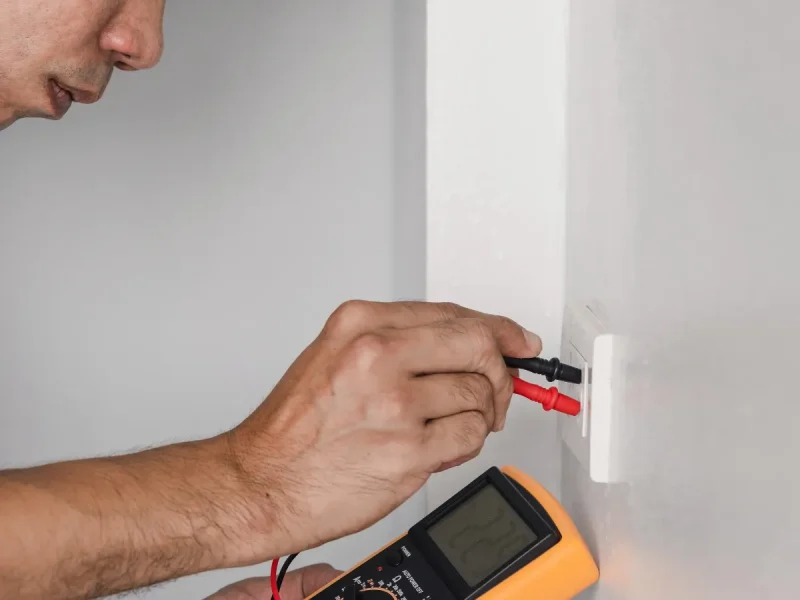
Ask any contractor what surprises homeowners most during a remodel, and wiring almost always makes the list. People budget carefully for cabinets, flooring, and paint, then discover partway through that the panel cannot handle the new kitchen, or that the old knob-and-tube wiring behind a wall needs to go before anything else can move forward. Home electrical upgrades rarely make it onto a homeowner’s initial wish list, yet they end up being some of the most valuable changes made during a remodel. Understanding which upgrades tend to come up most often can help you plan realistically and avoid being caught off guard partway through your project.
Panel Upgrades Top the List
Electrical panel upgrades are consistently one of the most common home electrical upgrades during remodels, particularly in older BC homes. Many houses built decades ago were wired with panels designed for a much lighter electrical load than modern households actually use today. Between kitchen appliances, home entertainment systems, air conditioning, and the growing number of devices plugged in throughout a typical home, older panels often simply cannot keep up once a remodel adds new circuits into the mix. Upgrading to a panel with more capacity is frequently the first step that needs to happen before any other electrical work can proceed safely.
This upgrade tends to surprise homeowners because it is not something they can see or appreciate the way they can a new countertop or light fixture. Even so, it is often the single most important upgrade for both safety and function, since it determines whether the rest of the remodel’s electrical plans are even possible. A panel that is too small for the new demands placed on it can lead to constantly tripped breakers or, in worse cases, genuine fire hazards from an overloaded system. Reviewing our full range of home services can help you understand whether your existing panel is likely to need attention before your remodel gets underway.
Rewiring Older Homes
Many BC homes built before the 1970s still have wiring types that do not meet modern safety standards, making rewiring one of the more significant home electrical upgrades homeowners encounter during a remodel. Knob-and-tube wiring and aluminum wiring, both common in older homes, come with known risks that insurance companies and home inspectors take seriously. A remodel is often the moment homeowners discover this issue, since opening up walls reveals wiring that has been hidden and unnoticed for years. While rewiring adds cost and complexity to a project, it also resolves a safety concern that would otherwise continue lingering in the background of the home indefinitely.
The good news is that a remodel is genuinely the best possible time to address outdated wiring, since walls are already open and the labour involved is far less disruptive than it would be otherwise. Homeowners who discover this issue mid-project sometimes feel discouraged by the added cost, but tackling it now avoids a much more invasive and expensive process later. It also means the rest of your home electrical upgrades, like new outlets or lighting circuits, can be built on a safe, modern foundation rather than patched onto an outdated system. This is one of those upgrades that pays for itself in peace of mind alone.
Adding Dedicated Circuits for Modern Appliances
Kitchens and laundry rooms are frequent sources of new dedicated circuits during a remodel, since modern appliances draw more power than older models ever did. Refrigerators, dishwashers, microwaves, and induction cooktops often require their own dedicated circuit to operate safely and avoid overloading shared wiring. Laundry rooms follow a similar pattern, particularly when homeowners upgrade to larger washers, dryers, or add a second set of laundry appliances in a different part of the home. These home electrical upgrades are easy to overlook during initial planning, yet they are essential for both safety and the appliances actually functioning as intended.
Home theatres, home offices, and workshop spaces are also increasingly common areas where dedicated circuits make sense during a remodel. A home office with multiple monitors, a printer, and various charging devices benefits from its own circuit rather than sharing power with the rest of the house. Workshops with power tools have similar needs, especially for larger equipment that draws significant current when in use. Planning for these dedicated circuits early in the remodel, rather than trying to add them later, keeps the project on schedule and avoids the cost of reopening finished walls.
Upgrading Lighting Circuits and Controls
Lighting upgrades are among the most visible and satisfying home electrical upgrades homeowners make during a remodel, transforming both the function and feel of a space. Recessed lighting is a particularly popular choice, offering clean, modern illumination without the bulk of traditional fixtures. Dimmer switches are another common addition, giving homeowners more control over ambiance in living rooms, dining areas, and bedrooms. These upgrades often require new wiring runs and sometimes additional circuits, which is why they are best planned early in the remodel process rather than added as an afterthought once walls are already finished.
Smart lighting controls have also become an increasingly common request during remodels, as more BC homeowners look to integrate convenience and energy savings into their newly renovated spaces. Wiring for smart switches, motion sensors, or whole-home lighting control systems is far easier to install while walls are open, making a remodel the ideal time to plan for this kind of upgrade. If you are curious how other homeowners have approached lighting upgrades during their own remodels, our podcast episodes include practical conversations about exactly this kind of decision-making process.
Adding GFCI and AFCI Protection
Ground fault circuit interrupter and arc fault circuit interrupter protection are increasingly common home electrical upgrades, particularly as building codes continue to evolve toward stronger safety standards. GFCI protection is required near water sources like kitchen sinks, bathroom vanities, and laundry rooms, since it shuts off power quickly if it detects an electrical imbalance that could indicate a shock hazard. AFCI protection, meanwhile, helps prevent electrical fires caused by damaged or deteriorating wiring, an especially relevant concern in older BC homes undergoing a remodel. Adding these protections during a remodel is far simpler and less expensive than retrofitting them into a finished space later. Here are some of the most common areas where GFCI and AFCI upgrades tend to be added during a remodel:
- Kitchen countertops and any outlets near sinks
- Bathroom vanities, tubs, and shower areas
- Laundry rooms and utility spaces with water exposure
- Bedrooms and living areas, where AFCI protection is often required by code
- Garages, basements, and other areas prone to dampness
Building these protections into your remodel from the start ensures your home meets current safety codes and reduces risk throughout the areas that see the most electrical use day to day.
Planning for Future Expansion
A remodel is also a natural opportunity to think beyond your immediate needs and plan for home electrical upgrades you might want down the road. Running extra conduit or wiring for a future electric vehicle charger, additional smart home devices, or even a future home addition can save significant cost and disruption later. This kind of forward planning costs relatively little when walls are already open, compared to the expense of retrofitting these features into a finished space years down the line. Many homeowners find that spending a little extra time considering future needs during the planning stage pays off considerably over the years that follow.
This is exactly the kind of conversation worth having early with a licensed electrician, since they can help you weigh which future upgrades are worth planning for now versus which can reasonably wait. Every household has different priorities, whether that is preparing for an electric vehicle, expanding a home office setup, or simply wanting the flexibility to add smart features later without major construction. Taking this broader view during a remodel turns a single project into an investment that continues to serve your home well into the future.
Working With a Licensed Electrician During Your Remodel
Given how many home electrical upgrades tend to surface during a remodel, working with a licensed electrician from the earliest planning stages makes a significant difference in how smoothly the project unfolds. An experienced electrician can assess your panel, identify outdated wiring, and help you prioritize which upgrades matter most for your specific project and budget. This kind of early involvement also helps prevent the frustrating scenario of discovering electrical issues midway through construction, when changes become far more disruptive and costly to make. Bringing in the right expertise from day one keeps your remodel on track and your home safer for years to come.
Castle Electric has worked with BC homeowners on remodels of every scale, helping identify which home electrical upgrades genuinely matter for each specific project. Their team understands how to sequence electrical work alongside other trades, ensuring panels, wiring, and circuits are handled at the right stage of the remodel rather than as a rushed afterthought. You can explore their full range of electrical remodel services to see how they approach projects of different sizes and complexity. Their experience helps homeowners avoid the common surprises that so often derail remodel timelines and budgets.
Getting a Clear Estimate for Your Remodel
Understanding the real cost of home electrical upgrades during a remodel is much easier when you have accurate numbers early in the planning process. Requesting a free online estimate gives you a realistic sense of what panel upgrades, rewiring, or new circuits will cost before finalizing your remodel budget. This step also gives you a chance to ask specific questions about which upgrades are essential versus optional for your particular project. Many homeowners find that having this information upfront makes budgeting for the rest of the remodel considerably less stressful.
Frequently Asked Questions
How do I know if my electrical panel needs to be upgraded during my remodel?
Signs like frequent breaker trips, a panel older than 25 to 30 years, or plans for significant new appliances are all reasons to have your panel assessed. A licensed electrician can evaluate your specific situation and recommend the right next step.
Is rewiring always necessary during an older home remodel?
Not always, but homes with knob-and-tube or aluminum wiring often benefit significantly from rewiring during a remodel, since walls are already open. This is typically the most cost-effective time to address outdated wiring.
What home electrical upgrades are considered essential versus optional?
Panel capacity, GFCI protection, and code-required safety upgrades are generally essential, while features like smart lighting controls or future EV charger wiring are more optional. A licensed electrician can help you prioritize based on your budget and goals.
How much do home electrical upgrades typically add to a remodel budget?
Costs vary significantly depending on the scope, from a single new circuit to a full panel upgrade or rewiring project. Requesting a detailed estimate early in the planning process gives you a much clearer picture for your specific remodel.
Should I plan for future needs like an EV charger during my current remodel?
It is often worth considering, since running extra wiring or conduit now is far cheaper than adding it after your remodel is finished. Discussing your future plans with an electrician early can help you make this decision confidently.
Final Thoughts
Home electrical upgrades may not be the most exciting part of planning a remodel, but they are consistently among the most valuable, both for safety and for making sure the rest of your project actually works as intended. From panel upgrades and rewiring to dedicated circuits and modern lighting controls, understanding these common upgrades ahead of time helps you plan realistically and avoid costly surprises. Every remodel is different, so working with the right professionals from the start makes all the difference in how smoothly your project unfolds. When you are ready to begin planning, you can create an account with Home Services BC to connect with trusted professionals in your area.
For home electrical upgrades handled with experience and care, Castle Electric continues to be a trusted partner for BC homeowners tackling remodels of every size. Their team knows how to identify what your home truly needs and deliver upgrades that keep your project safe, functional, and on budget. If you are ready to talk through the electrical side of your next remodel, reach out to their team and start the conversation today.