
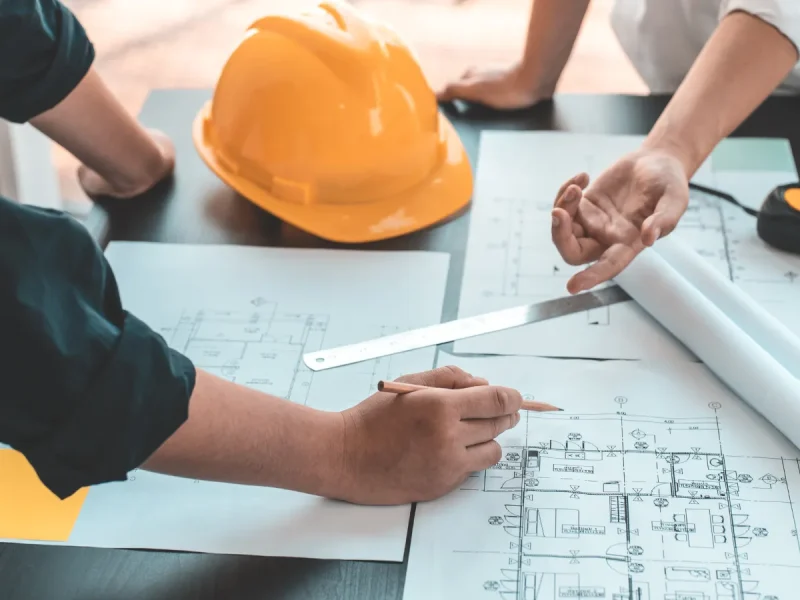
Basements have become some of the most valuable square footage in a home, whether they’re turned into a family room, a rental suite, or a home office. But before any drywall goes up or flooring gets installed, the electrical system needs careful planning, and basements come with challenges that other rooms simply don’t have. Moisture, lower ceiling heights, and the fact that basements were often an afterthought when the home was originally built all add complexity to basement electrical wiring. At Home Services BC, we regularly hear from homeowners partway through a basement project who wish they had thought through the electrical side more carefully before starting. This guide walks through what you need to know about basement electrical wiring, from code requirements to smart planning decisions that will save you time and money.
Why Basements Present Unique Electrical Challenges
Basements differ from the rest of the house in ways that directly affect how electrical work needs to be done. Many basements in British Columbia were originally unfinished space, which means the wiring that exists down there, if any, was never intended to support a livable room. Moisture is a constant concern in basements, since they sit below grade and are more prone to dampness, minor flooding, and humidity than upper floors.
Ceiling height is often lower too, which affects where wiring can run and how fixtures need to be selected and installed. All of these factors mean that basement electrical wiring requires more upfront planning than a similar renovation on the main floor, and cutting corners here tends to cause problems that show up later, sometimes literally as water damage around an outlet.
Understanding Permit Requirements for Basement Renovations
Almost any basement renovation that involves adding rooms, outlets, or lighting will require an electrical permit in British Columbia, and this isn’t a step worth skipping. Permits exist to make sure the work meets safety standards, and they also protect you as a homeowner if you ever sell the property or need to file an insurance claim. If you’re planning to add a secondary suite in your basement, the permit requirements become even more detailed, since rental spaces have additional code requirements around smoke detection, egress, and electrical capacity.
A licensed electrician who has worked on basement projects before will know exactly what your local municipality expects and can help you avoid the common mistake of starting work before permits are approved. Skipping this step might save time at first, but it often costs far more later if an inspector requires walls to be opened back up to verify the wiring underneath.
GFCI and AFCI Protection in Below Grade Spaces
Because basements are more exposed to moisture than other parts of the home, ground fault circuit interrupter protection is especially important for basement electrical wiring. GFCI outlets are required in areas prone to dampness, and in many basements, this applies more broadly than homeowners expect, particularly near any laundry area, bathroom, or exterior wall. Arc fault circuit interrupters, or AFCI protection, are also increasingly required in living spaces to reduce the risk of electrical fires caused by damaged or aging wiring. Both of these protections matter more in a basement than almost anywhere else in the house, simply because problems are harder to notice quickly in a space people use less often than the kitchen or living room. A qualified electrician will know exactly where these protections are required by code and will make sure your basement renovation meets those standards from the start rather than needing correction after an inspection.
Planning for Lighting in a Basement With Limited Natural Light
Basements typically have little to no natural light, which makes electrical lighting planning far more important than it would be in a sunlit main floor room. Overhead lighting alone often isn’t enough to make a basement feel comfortable, so many homeowners layer in recessed lighting, wall sconces, and task lighting depending on how the space will be used. If you’re planning a basement home office or gym, focused task lighting matters just as much as general ambient light.
Dimmable lighting is worth considering too, since it allows the room to shift from bright and functional during the day to softer and more relaxed in the evening. Because basement ceilings are often lower and may already be tight with ductwork or plumbing, working with an experienced electrician early in the planning stage helps avoid conflicts between lighting fixtures and other mechanical systems running through the same space.
Circuit Planning for Basement Suites and Multi Use Spaces
If your basement renovation includes a secondary suite, circuit planning becomes significantly more involved than a simple rec room upgrade. A legal secondary suite generally requires its own dedicated electrical panel or subpanel, separate from the main living space, along with circuits sized appropriately for a full kitchen and laundry setup. Even basements that aren’t being converted into a rental suite often benefit from additional circuits, especially if the space will include a home theatre, gym equipment, or a workshop area. Here are a few of the circuit considerations worth discussing with your electrician:
- Whether a subpanel makes sense for the basement based on planned usage
- Dedicated circuits for larger appliances like a stacked washer and dryer
- Additional circuits for entertainment systems or home office equipment
- Capacity for future additions, such as an electric vehicle charger accessible from the basement level
Thinking through these needs before construction starts, rather than during it, tends to save both money and frustration. Reviewing the renovation services available through Home Services BC can also help you coordinate electrical planning alongside framing, plumbing, and other trades working in the same space.
Working Around Existing Structural and Mechanical Systems
Basements are often crowded with the home’s mechanical systems, including the furnace, water heater, and main electrical panel itself, which adds another layer of complexity to basement electrical wiring. Running new circuits sometimes means navigating around ductwork, plumbing lines, and structural support beams that weren’t a factor for the original builder. An electrician experienced in basement renovations knows how to plan wiring routes that avoid these obstacles without compromising the integrity of the home’s structure or mechanical systems.
This is also where having your electrician coordinate directly with your plumber and HVAC contractor pays off, since basements have far less flexibility to reroute things once framing is complete. Getting a professional opinion on your specific basement layout early on, through a service like Castle Electric’s site assessment, can prevent the kind of mid-project surprises that push renovation timelines back by weeks.
Getting an Accurate Quote for Your Basement Project
Basement electrical wiring costs can vary significantly depending on the scope of the project, the age of the home, and whether a panel upgrade is needed to support the new space. Because so many variables affect pricing, it’s worth getting a detailed, in-person quote rather than relying on a rough estimate based on square footage alone. A thorough electrician will walk through your basement, review your renovation plans, and check your existing panel capacity before providing a number you can actually rely on. This kind of transparency matters, especially for a project as involved as a basement renovation, where surprises tend to be expensive if they aren’t caught early. Homeowners looking to get started can request a quote directly through Castle Electric’s online estimate tool, which is a straightforward first step before committing to a full renovation budget.
Frequently Asked Questions
Does a basement renovation always require an electrical permit?
In most cases, yes, particularly if you’re adding new circuits, outlets, or lighting. Permits protect you as a homeowner and ensure the finished space meets British Columbia’s building code requirements.
Why is GFCI protection so important in basements specifically?
Basements are more prone to moisture than other parts of the home due to their below grade location. GFCI outlets shut off power quickly if a ground fault is detected, which reduces the risk of electric shock in damp conditions.
Do I need a separate electrical panel for a basement suite?
Legal secondary suites typically require their own dedicated panel or subpanel to safely support a full kitchen, laundry, and living space. An electrician can confirm the exact requirements based on your municipality’s code.
How do I know if my basement’s existing wiring is safe to build around?
Older basements often have wiring that predates current code requirements, so it’s worth having an electrician inspect the space before renovation begins. This assessment helps determine what can stay and what needs to be replaced.
How long does basement electrical wiring typically take to complete?
Timelines depend on the size of the space and whether a panel upgrade is needed, but most basement wiring projects take anywhere from a few days to a couple of weeks. Working with an experienced electrician from the planning stage helps keep this timeline realistic.
Final Thoughts
Basement electrical wiring might not be the most visible part of your renovation, but it’s one of the most important, since it affects the safety, functionality, and long term value of the finished space. Planning ahead for permits, moisture protection, and circuit capacity makes the difference between a basement that simply looks finished and one that’s genuinely built to last. If you’re ready to start planning, registering with Home Services BC connects you with professionals who understand these projects from the ground up. For homeowners who want a team with real experience navigating the specific challenges of below grade spaces, Castle Electric has the technical knowledge to make sure your basement renovation is wired right the first time.