
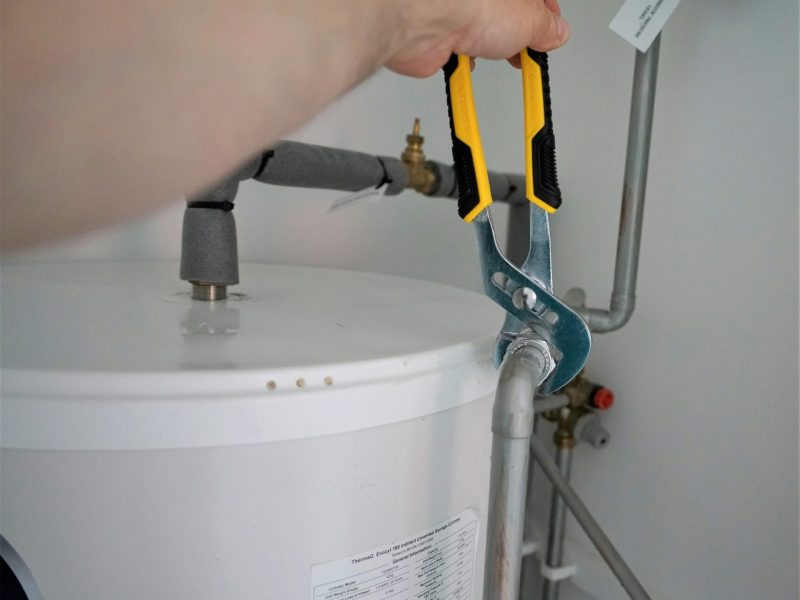
Plumbing emergencies can strike at any time and often when least expected. Knowing what to do during common plumbing emergencies can help prevent major water damage, reduce stress, and save money.
This guide explains the most frequent plumbing issues homeowners face, how to manage them immediately, and when to contact professionals like Home Services BC for expert help.
Why Quick Action Matters
A small leak can become a flood in minutes, damaging walls, floors, and furniture. The sooner homeowners react, the easier and cheaper the repair becomes.
Understanding the right first steps prevents panic and helps protect property. Even basic knowledge can make a big difference during an unexpected event.
1. Burst Pipes
Burst pipes are among the most common plumbing emergencies, especially during BC’s cold winters. They happen when frozen water expands inside pipes, causing them to crack or split.
What to Do First
- Turn off the main water valve immediately.
- Open nearby taps to relieve pressure and drain remaining water.
- Use towels or buckets to contain leaks.
- Turn off electricity in affected areas if water is near outlets or appliances.
Once the flow is under control, contact Home Services BC for professional pipe repair.
2. Overflowing Toilet
An overflowing toilet is both messy and unhygienic. It usually happens because of a clogged drain or malfunctioning float mechanism.
What to Do First
- Stop water flow by turning off the shut-off valve behind the toilet.
- Lift the tank lid and close the flapper to stop water from entering the bowl.
- Use a plunger to clear minor blockages.
If the overflow continues, professional assistance is needed to locate deeper clogs in the drain line.
3. Clogged Drains
A slow or clogged drain can quickly turn into a major issue if ignored. It often results from hair, grease, or debris build-up.
What to Do First
- Avoid using chemical drain cleaners—they can damage pipes.
- Use a plunger or a drain snake to remove the blockage.
- Flush with hot water and vinegar to loosen small clogs.
Persistent clogs may require hydro-jetting or camera inspection, which Home Services BC can perform safely.
4. Leaking Water Heater
Water pooling around your heater signals a leak that could worsen fast. A damaged tank or loose valve is often to blame.
What to Do First
- Turn off the heater’s power source—switch off electricity or gas supply.
- Shut off the cold-water inlet valve to stop the leak.
- Drain the tank using the drain valve and a hose to prevent flooding.
Call a plumber immediately to determine whether repair or replacement is necessary.
5. Leaking Faucet or Showerhead
A dripping faucet might seem minor, but it wastes litres of water over time. It can also increase your water bill and cause fixture wear.
What to Do First
- Turn off the fixture’s water supply valve if possible.
- Tighten loose handles or replace worn washers.
- Check aerators for trapped debris.
If leaks persist, a professional can inspect seals, cartridges, or internal parts for deeper issues.
6. Sewer Line Backup
A sewer backup is one of the most serious common plumbing emergencies. It often smells bad and poses health risks due to exposure to wastewater.
What to Do First
- Stop using sinks, toilets, and drains immediately.
- Avoid contact with standing water—it may contain harmful bacteria.
- Call Home Services BC right away for emergency sewer service.
Early detection—like gurgling drains or slow toilet flushing—can help prevent full backups.
7. Low Water Pressure
Low water pressure may signal hidden leaks, mineral buildup, or a broken main line. It can affect all fixtures or just one.
What to Do First
- Check if neighbours are affected—it could be a municipal issue.
- Clean faucet aerators and showerheads.
- Inspect visible pipes for leaks.
If the issue continues, call a plumber to inspect for corrosion or pipe damage.
8. Running Toilet
A toilet that won’t stop running can waste hundreds of litres of water each day. It’s often caused by a worn flapper or faulty fill valve.
What to Do First
- Remove the tank lid and inspect the flapper and chain.
- Adjust or replace parts as needed.
- Turn off the water supply if the running doesn’t stop.
If unsure, professionals can handle quick repairs at a low cost.
9. Frozen Pipes
Cold BC winters make frozen pipes another common plumbing issue. Frozen water expands, leading to bursts and flooding.
What to Do First
- Turn off the main water valve immediately.
- Open taps to relieve pressure.
- Warm the pipe gently with a hair dryer or heating pad—never use an open flame.
If pipes are hard to reach or already burst, call Home Services BC right away.
10. Flooded Basement
A flooded basement can result from a burst pipe, sewer backup, or heavy rain. Quick action limits damage and mould growth.
What to Do First
- Turn off electricity in affected areas.
- Use a sump pump or wet vacuum to remove standing water.
- Dry the area with fans and dehumidifiers.
Professionals can check drainage systems and foundation seals to prevent future flooding.
How to Prepare for Plumbing Emergencies
Preparation helps reduce panic when emergencies happen. Here are key tips:
- Know where the main water shut-off valve is.
- Keep emergency contacts like Home Services BC saved in your phone.
- Have a basic plumbing toolkit—pliers, wrenches, plumber’s tape, and a plunger.
- Inspect pipes before winter and insulate them.
Preventive maintenance goes a long way toward avoiding sudden disasters.
When to Call a Professional Plumber
While some problems have quick DIY fixes, others require expert help. Call a plumber if:
- You cannot find the source of a leak.
- Multiple drains are clogged simultaneously.
- There’s visible water damage or mould.
- The same problem keeps returning.
Home Services BC offers reliable, fast plumbing solutions across British Columbia. Their certified team handles everything from small leaks to major system failures.
Why Choose Home Services BC
Choosing professionals ensures safe and lasting results. Home Services BC connects homeowners with licensed, insured plumbers who provide emergency response 24/7.
They use modern tools, clear pricing, and top-quality materials—ensuring every fix is done right the first time. Whether it’s a burst pipe or sewer backup, their experts are ready to help.
Final Thoughts
Handling common plumbing emergencies calmly and quickly can prevent thousands of dollars in damage. Knowing when to shut off water, how to perform basic fixes, and when to call a professional are key steps every homeowner should know.
For fast, trusted help in any plumbing emergency, reach out to Home Services BC. Their experienced team ensures your home stays safe, dry, and comfortable—no matter what happens.
Don’t wait for a small leak to turn into a major disaster. Visit Home Services BC today to book reliable plumbing services and protect your home from costly emergencies.