
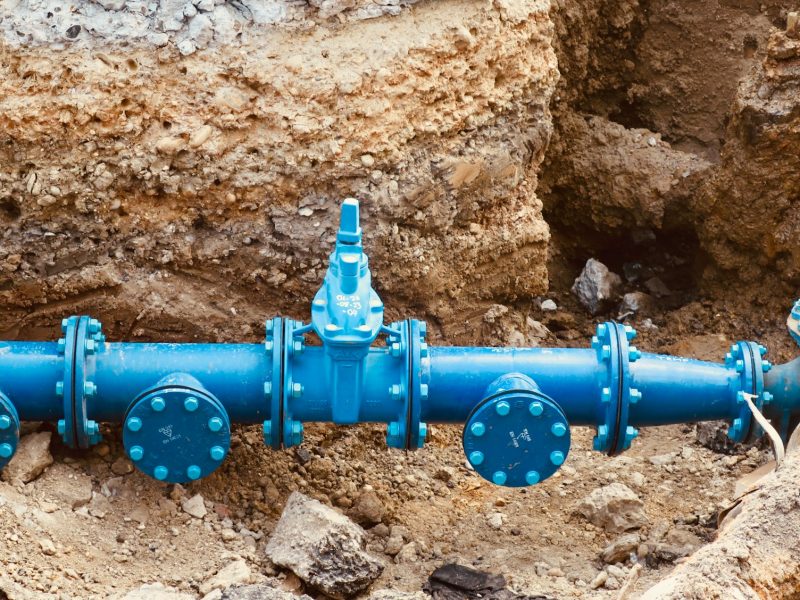
Modern homeowners are looking for smarter ways to cut costs, save resources, and reduce their environmental footprint. One of the most effective ways to achieve this is by investing in eco-friendly plumbing upgrades. These solutions not only lower monthly utility bills but also ensure that homes are equipped with sustainable systems that align with today’s environmental standards.
This article explores practical and effective eco-friendly plumbing options for modern homes. It highlights the benefits of upgrading, provides insight into cost savings, and offers guidance on the latest technologies designed to conserve water and energy.
Why Eco-Friendly Plumbing Upgrades Matter
Water scarcity and rising utility bills are growing concerns across Canada. A modern home with traditional plumbing fixtures can waste thousands of litres of water each year. By switching to eco-friendly systems, homeowners can significantly reduce water waste, cut down on energy use, and extend the lifespan of their plumbing.
In addition, many municipalities encourage water-saving upgrades through rebates and incentive programs. This makes eco-friendly plumbing not just a smart choice for the planet but also a financially rewarding one.
Popular Eco-Friendly Plumbing Upgrades
1. Low-Flow Fixtures
Low-flow toilets, faucets, and showerheads are among the most common eco-friendly plumbing upgrades. These fixtures use less water without sacrificing performance.
- Low-flow toilets: Use as little as 4.8 litres per flush compared to older models that use up to 13 litres.
- Low-flow faucets: Cut water usage by up to 30% in kitchens and bathrooms.
- Low-flow showerheads: Provide the same comfort as standard models but save up to 7.5 litres of water per minute.
These small changes can add up to big savings on water bills.
2. Tankless Water Heaters
Traditional water heaters store hot water in large tanks, consuming energy around the clock. Tankless water heaters heat water only when needed.
- Energy efficiency: Reduce energy consumption by 24–34%.
- Space-saving design: Compact units fit easily into smaller homes or condos.
- Endless hot water: Hot water on demand without running out.
By combining tankless water heaters with other eco-friendly plumbing upgrades, homeowners can create a more efficient household system.
3. Greywater Recycling Systems
Greywater refers to lightly used water from sinks, showers, and washing machines. Instead of sending it directly to the sewer, a greywater system filters and reuses it for tasks like lawn irrigation or toilet flushing.
- Reduces water bills by up to 40%.
- Conserves fresh water for essential uses like drinking and cooking.
- Supports sustainability by reducing strain on municipal water systems.
Although installation can be complex, greywater systems are a worthwhile investment for modern homes focused on sustainability.
4. Rainwater Harvesting Systems
Rainwater harvesting captures rainwater from rooftops and stores it in tanks for future use.
- Reduces reliance on municipal water supplies.
- Eco-friendly option for gardening and outdoor cleaning.
- Lower costs during dry months when water use typically rises.
This system is especially popular in areas prone to drought or water restrictions.
5. Smart Leak Detection Technology
Water leaks often go unnoticed until damage becomes expensive to repair. Smart leak detection devices use sensors to monitor water flow and alert homeowners to potential leaks in real time.
- Prevents water damage by catching leaks early.
- Conserves water by avoiding unnecessary waste.
- Peace of mind with smartphone alerts and monitoring apps.
Combining smart technology with eco-friendly plumbing upgrades helps create a safer, more sustainable home.
6. Energy-Efficient Appliances
Appliances such as dishwashers and washing machines consume both water and energy. Upgrading to Energy Star-certified models ensures reduced consumption and better performance.
- Uses 35% less water than older appliances.
- Cuts energy bills by up to 20%.
- Improves convenience with faster, more efficient cycles.
When paired with water-saving plumbing fixtures, energy-efficient appliances help maximize sustainability.
Financial Benefits of Eco-Friendly Plumbing Upgrades
Switching to eco-friendly plumbing is not just good for the planet—it’s a smart financial decision.
- Lower water bills: Families can save thousands of litres annually.
- Reduced energy costs: Efficient heating and appliances use less energy.
- Higher home value: Buyers are increasingly drawn to eco-friendly features.
- Government rebates: Certain provinces offer incentives for water-saving upgrades.
Over time, these savings often outweigh the initial investment in new systems and fixtures.
Environmental Impact of Sustainable Plumbing
The environmental benefits of eco-friendly plumbing upgrades extend beyond the home.
- Water conservation: Reduces demand on local reservoirs and treatment plants.
- Energy reduction: Less water heating lowers greenhouse gas emissions.
- Wastewater management: Greywater systems ease the strain on municipal infrastructure.
Choosing sustainable options ensures homes contribute to a greener, more resilient future.
Tips for Choosing Eco-Friendly Plumbing Upgrades
- Start small: Replace older faucets and showerheads with low-flow models.
- Assess your needs: Homes with large families may benefit most from tankless water heaters.
- Work with professionals: Hire a trusted plumber to install and maintain advanced systems.
- Look for certifications: Check for WaterSense or Energy Star labels on fixtures and appliances.
- Plan for long-term savings: Weigh upfront costs against long-term reductions in bills.
The Role of Professional Plumbers in Eco-Friendly Upgrades
While some upgrades, like replacing showerheads, are simple DIY projects, many eco-friendly plumbing upgrades require professional expertise. Licensed plumbers ensure installations meet building codes, perform at maximum efficiency, and last for years.
Professional guidance also helps homeowners choose the right systems based on household size, water usage, and budget. A trusted plumber can identify leaks, inefficiencies, and opportunities for improvements that homeowners may overlook.
Common Myths About Eco-Friendly Plumbing
- “Low-flow fixtures don’t work well.” Modern designs provide strong water pressure while saving water.
- “Eco-friendly upgrades are too expensive.” Many options are affordable, and savings offset initial costs.
- “Sustainable plumbing is only for new homes.” Existing homes can be retrofitted with eco-friendly systems.
- “Smart plumbing technology is unnecessary.” Leak detection and monitoring prevent costly damage and waste.
Understanding these myths helps homeowners make informed decisions about eco-friendly plumbing upgrades.
Future of Eco-Friendly Plumbing
The future of plumbing is increasingly focused on sustainability. Innovations such as smart water grids, solar water heaters, and advanced greywater recycling are gaining momentum. As technology improves, homeowners can expect more efficient and affordable eco-friendly plumbing options in the years to come.
Final Thoughts
Investing in eco-friendly plumbing upgrades is one of the smartest ways for modern homeowners to save money, protect the environment, and improve their quality of life. From low-flow fixtures to advanced greywater systems, these sustainable solutions ensure homes run efficiently and responsibly.
For homeowners in Langley and the surrounding areas, partnering with a trusted expert like Paton Plumbing Worx ensures eco-friendly upgrades are installed correctly and deliver lasting benefits.
Ready to make your home more sustainable and cost-efficient? Explore eco-friendly plumbing upgrades with the help of skilled professionals. Contact Paton Plumbing Worx today to start building a greener, smarter home.