
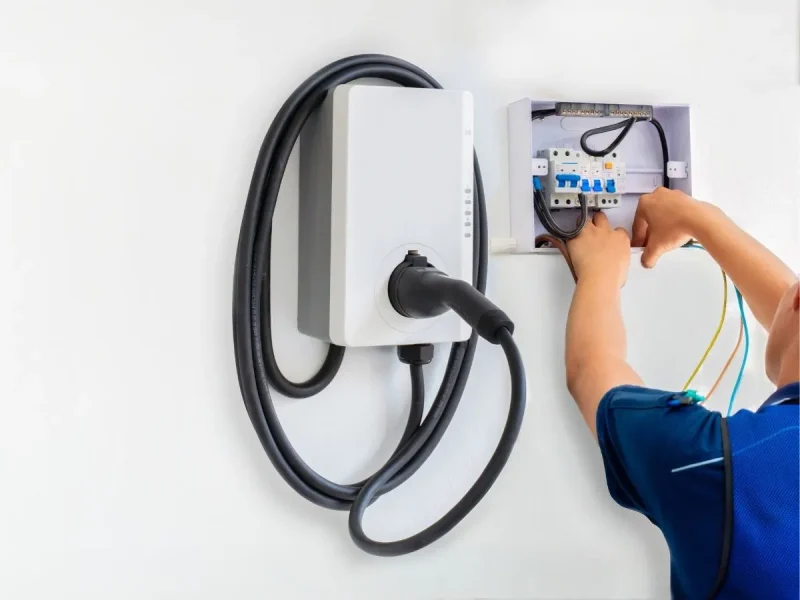
Electric vehicles are becoming a common sight on roads throughout Vancouver, Burnaby, Coquitlam, Port Moody, the Lower Mainland, and the Fraser Valley. As more Canadians look for ways to reduce fuel costs and lower their environmental impact, electric vehicle ownership continues to grow. However, before purchasing an electric vehicle, homeowners should understand what is involved in EV charger installation in BC. Having a reliable home charging solution can make EV ownership more convenient and help drivers get the most from their investment.
Why Home Charging Is Important for EV Owners
One of the biggest advantages of owning an electric vehicle is the ability to charge it at home. Rather than relying solely on public charging stations, homeowners can conveniently recharge their vehicles overnight. This allows drivers to start each day with a battery that is ready for commuting, errands, and family activities.
Home charging also provides more control over charging schedules and energy use. While public charging networks continue to expand across British Columbia, home charging remains the most practical option for most EV owners. It eliminates the need to wait for available charging stations and reduces the inconvenience of making special trips to recharge. For many households, investing in EV charger installation in BC quickly becomes one of the most valuable aspects of EV ownership.
Understanding the Different Types of EV Chargers
Before installing a charging station, homeowners should understand the differences between the available charger options. The right choice depends on driving habits, vehicle requirements, and household electrical capacity.
Level 1 Chargers
Level 1 chargers use a standard 120-volt household outlet and are often included with the purchase of an electric vehicle. These chargers are simple to use and require no special installation in most cases. However, charging speeds are relatively slow and may require more than a full day to charge some vehicles completely. For drivers with short daily commutes, a Level 1 charger may be sufficient. However, many homeowners find that the slower charging speed becomes inconvenient over time. This is why most EV owners eventually upgrade to a faster charging solution.
Level 2 Chargers
Level 2 chargers operate on a 240-volt circuit and are the preferred choice for most residential installations. These chargers significantly reduce charging times and can often recharge a vehicle overnight. They provide the convenience that many homeowners expect when transitioning to electric transportation. Most discussions about EV charger installation in BC focus on Level 2 systems because they offer the best balance of performance and practicality. Depending on the home’s electrical system, installation may require a dedicated circuit and professional electrical work.
Level 3 Chargers
Level 3 chargers, often referred to as DC fast chargers, are typically found in commercial and public charging locations. These systems can charge a vehicle much faster than residential chargers but require substantial electrical infrastructure. Due to their cost and power requirements, Level 3 chargers are generally not suitable for residential properties. For most homeowners, a Level 2 charger provides more than enough charging capability for daily use.
Can Your Home Support an EV Charger?
Before purchasing a charging station, it is important to determine whether your home’s electrical system can safely support the additional demand. Not every home was designed with electric vehicle charging in mind.
Many older homes throughout Vancouver, Burnaby, and parts of the Fraser Valley were built before modern electrical demands became common. As a result, some electrical panels may have limited capacity available for a new charging circuit. A professional electrician can assess the system and identify any upgrades that may be required.
An electrical assessment typically includes:
- Reviewing panel capacity
- Evaluating existing electrical loads
- Checking available breaker space
- Confirming code compliance
- Identifying future expansion opportunities
This assessment helps ensure the installation can be completed safely and efficiently.
When Is an Electrical Panel Upgrade Necessary?
Electrical panel upgrades are one of the most common considerations during EV charger installations. If a home’s existing panel does not have sufficient capacity to handle the additional load, an upgrade may be recommended before installation can proceed.
Modern households already consume significant amounts of electricity. Heating systems, air conditioners, appliances, home offices, and entertainment systems all contribute to overall demand. Adding a Level 2 charger increases that demand further. If the electrical panel is already operating near capacity, upgrading the system may be the safest option.
Although homeowners sometimes view panel upgrades as an unexpected expense, they often provide long-term benefits. An upgraded electrical system can improve overall functionality while preparing the home for future technologies such as heat pumps, solar energy systems, and additional electric vehicles.
Factors That Affect EV Charger Installation Costs
The cost of EV charger installation in BC varies depending on several factors. While every home is different, understanding the elements that influence pricing can help homeowners set realistic expectations.
Some of the most common cost factors include:
- Distance between the electrical panel and charger location
- Existing electrical panel capacity
- Permit requirements
- Type of charger selected
- Interior versus exterior installation
- Wiring accessibility
- Potential panel upgrades
A qualified electrician can provide an accurate estimate after evaluating the property and discussing the homeowner’s charging goals. Obtaining a professional assessment is the best way to avoid unexpected costs later in the project.
Are There Rebates Available for EV Chargers in BC?
British Columbia has supported electric vehicle adoption through various rebate and incentive programs over the years. While available programs can change, homeowners should always investigate current opportunities before purchasing charging equipment.
Some rebates may help offset equipment costs, installation expenses, or both. Utility providers and government organizations periodically introduce programs designed to encourage EV adoption and residential charging infrastructure.
Contractors who regularly perform EV charger installations often stay informed about available incentives. Asking about current programs during the planning stage may help homeowners maximize available savings.
Choosing the Best Location for Your Charger
The placement of a charging station can have a significant impact on convenience and installation costs. Careful planning helps ensure homeowners get the most value from their investment.
Garages are among the most popular locations because they provide protection from weather and secure access to charging equipment. However, outdoor installations can also be effective when properly designed and installed.
When selecting a location, homeowners should consider:
- Vehicle parking habits
- Charging cable reach
- Future vehicle purchases
- Exposure to weather
- Ease of daily use
- Installation costs
An experienced electrician can recommend practical solutions based on the layout of the property and the homeowner’s long-term needs.
Why Professional Installation Matters
Installing a Level 2 charger involves working with high-voltage electrical systems. While some homeowners may be tempted to explore do-it-yourself solutions, professional installation is strongly recommended.
Licensed electricians understand local building codes, permit requirements, and electrical safety standards. They can identify potential issues before they become major problems and ensure the installation complies with current regulations.
Proper installation also helps protect both the vehicle and the home’s electrical system. Homeowners who work with qualified professionals gain confidence that their charging equipment will perform safely and reliably for years to come.
EV Charger Installation in BC
Selecting the right contractor is just as important as selecting the right charger. The electrician you choose will directly impact the quality, safety, and longevity of the installation.
When comparing contractors, homeowners should look for:
- Valid licensing and insurance
- Experience with EV charging systems
- Positive customer reviews
- Knowledge of local permit requirements
- Transparent estimates
- Strong communication
At Home Services BC, we encourage homeowners to work with trusted professionals who have a proven track record of quality workmanship. Choosing an experienced electrical contractor helps simplify the process and ensures the installation is completed correctly the first time.
One company we are proud to feature is Castle Electric. Their team serves homeowners throughout Vancouver, Burnaby, Coquitlam, Port Moody, the Lower Mainland, and the Fraser Valley, helping clients navigate everything from EV charger installations to electrical upgrades and safety improvements.
Why Homeowners Choose Castle Electric
When investing in an EV charging system, homeowners want confidence that the work will be completed safely and professionally. Castle Electric has earned a strong reputation for providing reliable electrical solutions and exceptional customer service throughout the region.
Their electricians understand the unique requirements associated with residential EV charging systems and electrical infrastructure upgrades. Homeowners can explore the company’s full range of electrical services to learn more about the solutions available for modern homes.
What sets Castle Electric apart is their commitment to education and customer support. Rather than simply completing a project, they take the time to explain options, answer questions, and help homeowners make informed decisions that align with their needs and budget.
Additional Resources for Homeowners
Installing an EV charger is just one of many home improvement projects that require expert guidance. Homeowners looking for reputable professionals can explore the wide range of home services available through Home Services BC. We also encourage homeowners to stay informed through the Home Services BC Podcast, where industry professionals share practical advice on home maintenance, renovations, and emerging technologies. Those who want access to additional homeowner resources and updates can join the Home Services BC community and stay connected with trusted local experts.
Frequently Asked Questions About EV Charger Installation in BC
How much does EV charger installation cost in Vancouver?
Installation costs vary based on factors such as charger type, electrical panel capacity, and wiring requirements. A professional assessment is the best way to determine project costs.
Do I need a permit for EV charger installation in Burnaby?
Permit requirements can vary depending on the scope of work and local regulations. Licensed electricians typically manage the permit process on behalf of homeowners.
Can older homes in Coquitlam support Level 2 chargers?
Many older homes can support Level 2 chargers, although some may require panel upgrades or additional electrical work to safely accommodate the increased load.
How long does EV charger installation take in Port Moody?
Simple installations can often be completed within a day. More complex projects involving panel upgrades or extensive wiring may require additional time.
Is a Level 2 charger worth it for homeowners in the Lower Mainland?
For most EV owners, a Level 2 charger provides significantly faster charging and greater convenience than a standard Level 1 charger, making it a worthwhile investment.
Who should I hire for EV charger installation in the Fraser Valley?
Homeowners should work with licensed electricians who have experience installing EV charging systems and who understand local electrical codes and safety requirements.
Final Thoughts
As electric vehicle ownership continues to grow across British Columbia, understanding the requirements for EV charger installation in BC has never been more important. From evaluating your home’s electrical capacity to selecting the right charger and contractor, thoughtful planning can help ensure a safe and successful installation. Working with experienced professionals gives homeowners confidence that their investment will deliver reliable performance for years to come. If you are ready to discuss your EV charging project with an experienced electrician, you can contact Castle Electric to schedule a consultation and receive professional guidance tailored to your home.