
Homeowners often take on do-it-yourself (DIY) projects to save money and add a personal touch to their homes. While these projects can be rewarding, they also come with risks. That is why knowing the right handyman safety tips is important. Safety not only prevents accidents but also helps complete projects more efficiently.
This article explores essential handyman safety advice that every homeowner should keep in mind. From using tools properly to ensuring a safe work environment, these tips will help keep projects enjoyable and injury-free.
Why Handyman Safety Tips Matter
Every year, thousands of Canadians visit emergency rooms due to home improvement accidents. Common injuries include cuts, burns, and falls. Most of these incidents can be avoided by following proper handyman safety practices.
Understanding these tips allows homeowners to take on projects confidently. More importantly, it ensures that both small and large tasks are handled without unnecessary risks.
Essential Personal Protective Equipment
One of the most important handyman safety tips is wearing the right gear. Personal protective equipment (PPE) reduces the chance of injuries.
Common Safety Gear for DIY Projects
- Safety glasses: Protect eyes from dust, wood chips, and sparks.
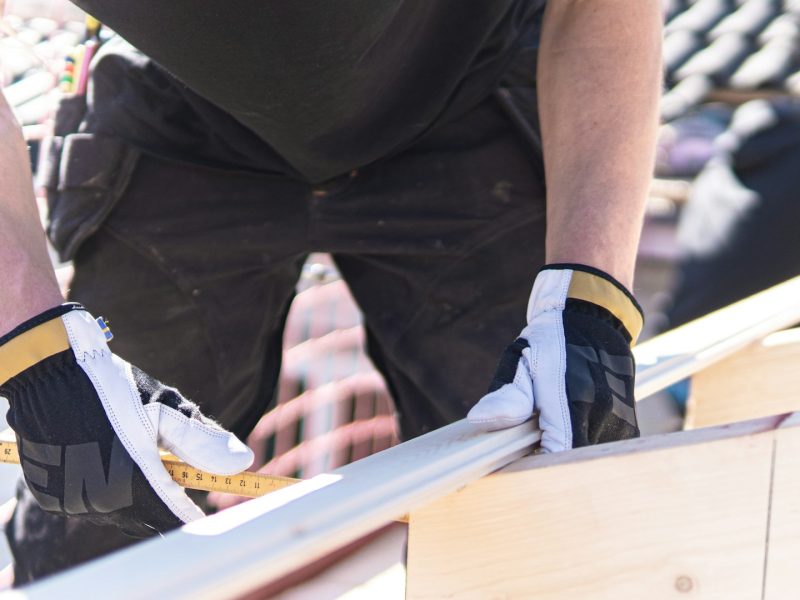
- Gloves: Prevent cuts and improve grip on tools.
- Ear protection: Essential when using loud equipment like drills or saws.
- Dust masks or respirators: Keep harmful particles out of the lungs.
- Steel-toe boots: Reduce the risk of injury from falling objects.
Investing in PPE may seem unnecessary for small tasks, but it often makes the difference between a safe project and a trip to the hospital.
Tool Safety: Using Equipment the Right Way
Improper use of tools is a leading cause of home accidents. Learning how to handle each tool correctly is a key handyman safety step.
Power Tool Safety Tips
- Always read the manual before operating new equipment.
- Check cords and plugs for damage before use.
- Use two hands when controlling heavy or powerful tools.
- Keep tools away from water to prevent electric shock.
- Store tools properly after each use.
Hand Tool Safety Tips
- Keep blades sharp—dull blades can slip and cause injuries.
- Use the correct tool for the job instead of improvising.
- Inspect tools for cracks or loose parts before use.
These practices not only prevent injuries but also make tasks more efficient.
Ladder and Height Safety
Many DIY projects require working at heights, such as painting or fixing gutters. Falls are among the most common household accidents, making ladder safety essential.
Safe Ladder Practices
- Place the ladder on a flat, stable surface.
- Maintain three points of contact at all times.
- Do not overreach—move the ladder instead.
- Never stand on the top rung.
- Ensure ladders are rated for the user’s weight.
When possible, having another person nearby to hold the ladder provides extra security.
Electrical Safety Precautions
Electricity can be extremely dangerous if mishandled. Following electrical handyman safety tips helps prevent shocks and fires.
- Always turn off the power at the breaker before starting electrical work.
- Use insulated tools designed for electrical tasks.
- Check wires for damage before handling them.
- Avoid overloading circuits with too many devices.
- If the project feels too complex, hire a licensed electrician.
Homeowners should never attempt major electrical work without professional support. Safety always comes first.
Fire Safety During Home Projects
From using power tools to handling flammable materials, fire risks can arise during DIY tasks. Fire prevention is another crucial part of handyman safety.
Tips to Reduce Fire Hazards
- Keep a fire extinguisher within reach.
- Avoid smoking near paints, solvents, or gasoline.
- Store flammable items in tightly sealed containers.
- Ensure proper ventilation when using chemicals.
A few simple precautions can prevent major damage and keep households safe.
Safe Handling of Hazardous Materials
Many home projects involve paints, solvents, or adhesives that contain harmful chemicals. Handyman safety tips also include learning how to work safely with these substances.
- Always read product labels for safety instructions.
- Wear gloves and masks when handling chemicals.
- Work in well-ventilated areas to avoid toxic fumes.
- Store chemicals out of children’s reach.
Proper handling not only protects homeowners but also reduces environmental risks.
Preventing Slips, Trips, and Falls
Clutter and poor organisation are common causes of injuries. Keeping work areas tidy is an easy but effective handyman safety habit.
Best Practices for a Safe Workspace
- Clear away tools and debris regularly.
- Wipe up spills immediately.
- Use good lighting in all work areas.
- Keep cords and hoses neatly arranged.
A clean workspace is not just safer—it also helps projects move faster.
Planning Ahead for Safety
Rushing into projects without preparation often leads to mistakes and accidents. Planning is one of the simplest yet most overlooked handyman safety tips.
Steps for Safe Project Planning
- Write a checklist of tools and materials.
- Review potential hazards before starting.
- Set aside enough time to complete the task.
- Know when to call for professional help.
Good planning allows homeowners to focus on the task without unexpected risks.
Knowing Your Limits
One of the smartest safety tips is recognising when a job is too complex. Homeowners may feel confident with small repairs, but larger tasks like plumbing or structural changes should be left to experts.
Hiring professionals not only ensures safety but also delivers higher-quality results. Services like Task Pro provide skilled handymen who know how to handle challenging projects safely.
First Aid and Emergency Preparedness
Even with the best safety habits, accidents can still happen. Having basic first aid knowledge is a vital handyman safety step.
Emergency Readiness Tips
- Keep a stocked first aid kit in the home.
- Learn basic CPR and wound care.
- Know emergency numbers and keep a phone nearby.
- Teach family members what to do in case of accidents.
Being prepared helps minimise the impact of unexpected incidents.
Handyman Safety Tips for Specific Projects
Different tasks come with unique safety challenges. Here are some project-specific guidelines:
Painting Projects
- Ensure proper ventilation to avoid inhaling fumes.
- Use stable ladders for ceiling and wall painting.
- Wear gloves to prevent skin irritation.
Plumbing Tasks
- Turn off the water supply before repairs.
- Watch for slippery surfaces around leaks.
- Use proper tools designed for plumbing jobs.
Outdoor Projects
- Wear sunscreen and protective clothing.
- Stay hydrated, especially during summer tasks.
- Be mindful of insects and uneven ground.
Customising handyman safety tips for each project ensures maximum protection.
Teaching Safety to Family Members
Home improvement often involves multiple family members. Teaching basic safety practices ensures everyone is protected.
- Show children why tools and ladders are not toys.
- Involve teens in safety planning for learning opportunities.
- Encourage communication so risks can be spotted quickly.
Safety is most effective when practised by the whole household.
The Role of Professional Services in Home Safety
While DIY projects can be satisfying, some tasks require professional help. Companies like Task Pro ensure projects are completed safely, quickly, and with high-quality results.
Professional handymen are trained to follow strict safety procedures. For homeowners, hiring experts means fewer risks, less stress, and peace of mind.
Final Thoughts
Taking on home projects can be exciting, but safety should always come first. Following the right handyman safety tips protects homeowners from injuries, prevents costly mistakes, and makes every task more enjoyable. From using protective gear to handling tools properly, these practices ensure that projects are completed with confidence.
For homeowners who feel unsure or overwhelmed, Task Pro provides reliable and safe handyman services. With professionals ready to step in, there is no need to compromise on safety or quality.
Ready to tackle your next home project with safety in mind? Start by applying these handyman safety tips today. For bigger or riskier tasks, let Task Pro handle the hard work—so you can enjoy peace of mind and a safer home.