
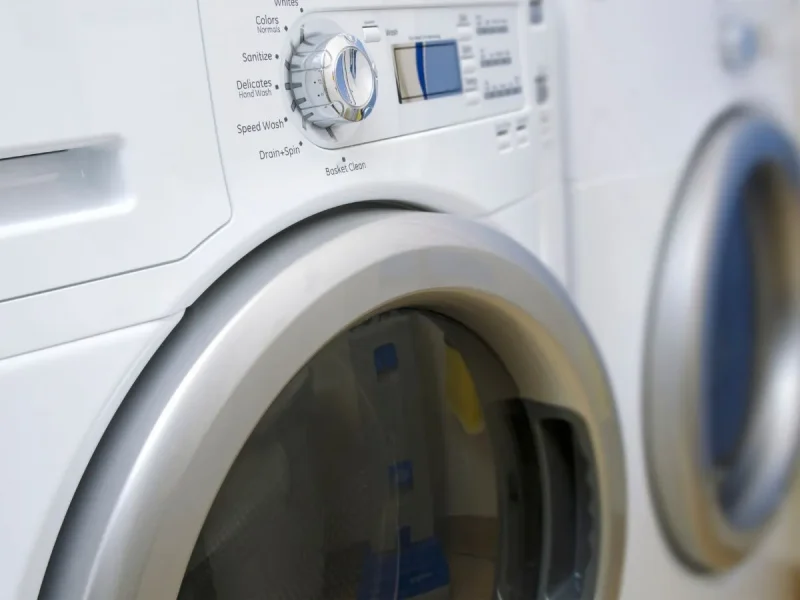
Your dryer may still tumble clothes perfectly, but if they come out cold and damp after every cycle, the problem could be the heating system. One of the most common causes of poor drying performance in electric dryers is a failed dryer heating element. Without enough heat, your dryer cannot remove moisture efficiently, resulting in longer drying times, higher energy bills, and unnecessary frustration. Knowing the warning signs of a failing heating element can help you arrange professional dryer repair before the problem becomes more serious.
Many homeowners assume that a dryer with a spinning drum is working properly. In reality, tumbling is only one part of the drying process. Warm air is equally important because it evaporates moisture from clothing before the exhaust system carries it outside. When the heating element begins to fail, your dryer may continue running normally while producing little or no heat.
What Does a Dryer Heating Element Do?
The heating element is responsible for generating the warm air that dries your clothes. In an electric dryer, electricity passes through a tightly wound metal coil, creating heat as electrical resistance builds. A blower then circulates this heated air through the drum while moisture escapes through the exhaust vent. Every drying cycle depends on the heating element working together with thermostats, thermal fuses, moisture sensors, and the ventilation system. If the heating element fails, your dryer may continue tumbling clothes without producing enough heat to remove moisture. This often leaves homeowners wondering why the appliance still runs but doesn’t dry laundry effectively.
Sign #1: Your Dryer Runs but Doesn’t Produce Heat
One of the most obvious signs of a failed dryer heating element is a dryer that operates normally but produces no heat. The drum rotates, the timer advances, and the controls appear to function correctly, yet clothes remain damp after an entire cycle. This symptom often indicates that the heating coil has burned out or become damaged. Although a failed heating element is one possible cause, other components can produce similar symptoms. Faulty thermostats, blown thermal fuses, or electrical problems may also prevent the dryer from heating. Professional diagnosis helps identify the exact issue before unnecessary parts are replaced.
Sign #2: Clothes Take Multiple Cycles to Dry
Sometimes a heating element doesn’t fail completely. Instead, it gradually loses its ability to generate enough heat. In these situations, the dryer still becomes warm but not hot enough to dry clothes efficiently. Homeowners often notice that laundry requires two or three complete cycles before becoming fully dry. Longer drying times place additional strain on the appliance and increase electricity consumption. They also expose clothing to unnecessary wear from extended tumbling. Arranging professional dryer repair early often prevents further damage while improving efficiency.
Sign #3: The Dryer Produces Little Heat
If you open the dryer door during operation and notice only slightly warm air instead of the usual high temperature, the heating element may be weakening. Reduced heat output usually develops gradually, making it easy to overlook until drying performance becomes noticeably worse.
Several issues can contribute to reduced heating, including:
- A partially damaged heating element.
- Faulty cycling thermostats.
- Restricted airflow from a clogged vent.
- Electrical supply problems.
- Failing control components.
Because multiple heating problems produce similar symptoms, professional testing is the most reliable way to determine the cause.
Sign #4: Drying Times Suddenly Increase
If your dryer has always completed loads in under an hour but suddenly begins taking much longer, the heating system should be inspected. While clogged vents are often responsible for longer drying times, a deteriorating heating element can produce nearly identical symptoms. The longer your dryer operates inefficiently, the harder the motor, blower, and other components must work. Addressing the issue promptly helps reduce energy consumption while extending the lifespan of the appliance.
What Causes a Dryer Heating Element to Fail?
Heating elements are built to withstand high temperatures, but like any appliance component, they eventually wear out. Years of regular use, poor airflow, and electrical issues can all shorten the lifespan of the element. While some failures occur gradually, others happen suddenly, leaving the dryer unable to produce heat. Understanding these causes can help homeowners reduce unnecessary heating problems and extend the life of their appliance.
Normal Wear and Age
Every time you run your dryer, the heating element expands as it heats up and contracts as it cools down. After thousands of drying cycles, this constant expansion and contraction weakens the metal coil. Eventually, the element may crack or burn out completely, preventing it from generating enough heat. Most heating elements last for many years under normal conditions. However, households that use their dryer daily or wash large amounts of laundry may experience wear sooner than average. Regular maintenance helps reduce strain on the heating system and supports consistent performance.
Restricted Airflow
One of the leading causes of premature heating element failure is poor airflow. When lint accumulates inside the exhaust vent, warm air cannot escape efficiently. As heat builds inside the dryer, the heating element operates at higher temperatures than it was designed to handle. Over time, this excessive heat can shorten the lifespan of the element.
Signs of restricted airflow include:
- Clothes taking much longer to dry.
- The outside of the dryer becoming unusually hot.
- The laundry room feeling warm and humid.
- A burning smell during operation.
- Weak airflow from the outdoor vent.
Keeping the lint filter clean after every load and scheduling regular vent cleaning are among the best ways to protect the heating system.
Power Supply Problems
Electric dryers require the correct voltage to operate properly. If one side of the power supply is interrupted because of a damaged outlet, faulty breaker, or loose wiring, the drum may continue turning while the heating element receives insufficient power. This often leads homeowners to believe the heating element has failed when the issue actually involves the electrical supply. Because electrical testing involves high-voltage components, homeowners should avoid attempting these inspections themselves. Professional dryer repair technicians have the proper equipment to safely verify whether the appliance is receiving the correct power.
Overheating Due to Faulty Thermostats
The heating element relies on thermostats to regulate temperature throughout the drying cycle. If a thermostat fails, the element may continue heating longer than intended, causing excessive temperatures inside the dryer. Repeated overheating places unnecessary stress on the heating coil and increases the likelihood of failure. Replacing only the heating element without addressing a defective thermostat may result in another failure shortly afterward. A complete inspection ensures every component within the heating system is functioning properly.
Can You Continue Using a Dryer with Heating Problems?
If your dryer still tumbles but produces little or no heat, it may seem harmless to keep using it by simply running longer cycles. Unfortunately, this approach usually creates additional problems over time. Longer drying cycles increase electricity consumption, place extra wear on the motor and drum rollers, and expose clothing to unnecessary tumbling. Continuing to operate a dryer with unresolved heating problems may also mask more serious issues affecting other components. For example, restricted airflow can eventually damage the thermal fuse, thermostats, blower assembly, or control board. Addressing the problem early helps prevent additional repairs while improving your dryer’s efficiency.
How Professionals Diagnose Heating Element Problems
Because several different components affect dryer heating performance, experienced technicians perform a complete diagnostic inspection before replacing any parts. This systematic approach ensures the actual cause of the problem is identified rather than relying on assumptions.
A professional diagnosis may include:
- Testing the dryer heating element for electrical continuity.
- Inspecting thermostats and thermal fuses.
- Verifying the incoming power supply.
- Checking airflow through the lint filter and exhaust vent.
- Inspecting wiring connections for signs of damage.
- Testing the control board and heating circuit.
This thorough evaluation helps technicians determine whether the heating element has failed or whether another component is preventing it from operating correctly.
If you’d like to learn more about caring for your household appliances and preventing common breakdowns, the Home Services BC podcast features practical advice from industry professionals on appliance maintenance, home care, and repair insights.
How to Prevent Dryer Heating Element Failure
Although no heating element lasts forever, proper maintenance can significantly extend its lifespan. Many dryer heating problems develop because the appliance has to work harder than necessary due to poor airflow or neglected maintenance. By taking a few preventative steps, you can improve your dryer’s efficiency, lower energy costs, and reduce the likelihood of unexpected dryer repair.
Here are some simple maintenance habits that can help protect your heating system:
- Clean the lint filter after every drying cycle.
- Have the dryer vent professionally cleaned at least once a year.
- Avoid overloading the drum with heavy loads.
- Separate thick fabrics from lightweight clothing whenever possible.
- Ensure the outdoor exhaust vent opens freely while the dryer is running.
- Pay attention to longer drying times or reduced heat and schedule service early.
- Arrange periodic maintenance inspections, especially if your dryer is several years old.
Preventative maintenance doesn’t just protect the heating element. It also reduces wear on the motor, blower wheel, thermostats, and other important components that keep your dryer operating safely.
When Should You Call a Professional?
Some homeowners assume a lack of heat always means the heating element has failed, but that’s not always the case. Several components work together to produce heat, and many of them can create nearly identical symptoms. Rather than replacing parts through trial and error, professional technicians use specialized testing equipment to identify the actual cause of the problem.
You should schedule professional dryer repair if you notice:
- The dryer runs but produces no heat.
- Clothes consistently require multiple cycles to dry.
- Burning smells during operation.
- The dryer repeatedly shuts off before the cycle finishes.
- The appliance becomes unusually hot on the outside.
- The circuit breaker trips whenever the dryer is used.
- Drying performance continues to decline despite cleaning the lint filter and vent.
Professional technicians can determine whether the issue involves the heating element, thermostat, thermal fuse, electrical supply, control board, or another component. Accurate diagnosis saves time, reduces unnecessary expenses, and restores your dryer safely.
Frequently Asked Questions
How do I know if my dryer heating element has failed?
The most common signs include the dryer tumbling without producing heat, clothes remaining damp after a full cycle, significantly longer drying times, and cool air inside the drum during operation. Professional testing can confirm whether the heating element or another component is responsible.
Can a dryer heating element fail gradually?
Yes. A heating element doesn’t always burn out completely. In many cases, it weakens over time and produces less heat, causing drying times to become progressively longer. Early diagnosis can help identify the problem before additional components are affected.
Why is my dryer running but not heating?
Besides a failed dryer heating element, other possible causes include a blown thermal fuse, faulty thermostat, damaged wiring, restricted airflow, or electrical supply issues. Since several components can create the same symptoms, professional diagnosis is recommended.
Is it safe to keep using a dryer with heating problems?
It’s generally not advisable. Running multiple drying cycles places extra strain on the motor and other mechanical components while increasing energy consumption. If overheating is involved, continuing to use the dryer may also create safety risks.
How long does a dryer heating element usually last?
Most heating elements last between 8 and 15 years, depending on usage, airflow, maintenance, and overall appliance condition. Cleaning the lint filter regularly and keeping the exhaust vent clear can help maximize the lifespan of the heating system.
Final Thoughts
A failing dryer heating element is one of the most common causes of poor drying performance, but it’s rarely the only possibility. Whether your dryer is producing little heat, taking multiple cycles to dry clothes, or not heating at all, addressing the issue early helps prevent larger repairs and unnecessary energy costs. Prompt attention also extends the lifespan of your appliance and keeps your laundry routine running smoothly.
At Home Services BC, we help homeowners connect with trusted professionals who provide reliable appliance repair services. If you’re experiencing persistent heating problems, don’t wait until your dryer stops working altogether. For expert dryer repair, visit Edellin Home Services or book a service appointment through their contact page. Experienced technicians can accurately diagnose the issue, restore your dryer’s performance, and help you get back to dry, fresh laundry with confidence.