
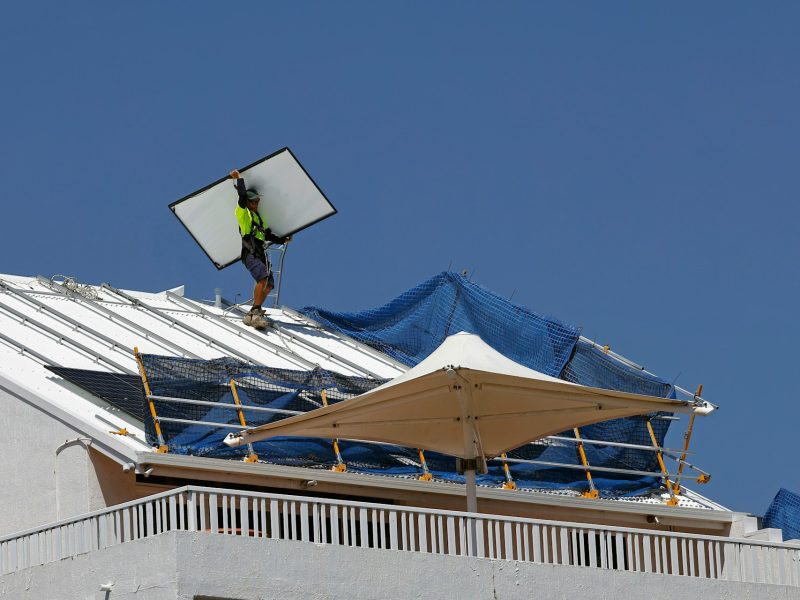
Canadian homeowners face unique challenges when it comes to protecting their homes from harsh weather. Heavy snowfall, freezing temperatures, and months of rainfall put roofs to the test every year. This is why many residents are turning to metal roofing—a long-lasting, durable, and cost-effective option that has gained popularity across the country.
One of the biggest questions people ask is: what is the lifespan of a metal roof? The truth is, they can last far longer than traditional options like asphalt shingles, but the exact number of years depends on material quality, installation, and upkeep.
FAQs About Metal Roof
1. What Is the Lifespan of a Metal Roof?
The average lifespan of roofs made of metal is between 40 and 70 years, with some premium metals like copper lasting even longer. The longevity depends on:
-
The type of metal used (steel, aluminum, copper, zinc).
-
The quality of installation by a professional contractor.
-
Regular maintenance, including inspections and minor repairs.
2. What Are the Disadvantages of a Metal Roof?
While metal roofs are highly durable, they aren’t without challenges:
-
Higher upfront costs: Metal roofing costs more initially than shingles, though the longer lifespan offsets this.
-
Noise during rain or hail: Without proper insulation, metal roofs can amplify sound.
-
Thermal expansion and contraction: Improper installation may lead to panel shifting.
Fortunately, these issues can be mitigated with professional installation, proper underlayment, and high-quality insulation.
3. What Is the Cheapest Metal Roof Option?
The most budget-friendly option is corrugated galvanized steel roofing. These thin steel sheets are easy to manufacture, making them more affordable than premium materials.
While inexpensive, corrugated steel still provides solid durability for Canadian homes. Costs, however, can vary depending on:
-
Steel quality and coating.
-
Roof size and slope.
-
Labour and regional price variations.
For accurate pricing, homeowners should consult with a trusted roofing contractor in Canada.
4. Do Steel Roofs Rust?
Steel roofing can rust if left unprotected. To prevent this, manufacturers apply coatings such as:
-
Galvanized zinc coating – a protective layer of zinc that prevents moisture from reaching steel.
-
Galvalume coating – a mix of aluminum, zinc, and silicone that offers five times more corrosion resistance than standard galvanized steel.
With proper coatings and routine care, steel roofing remains rust-free and long-lasting in even the wettest regions of Canada.
5. How Much Does It Cost to Put a Metal Roof on a 2,000 Sq. Ft. House?
On average, installing a metal roof costs $8 to $15 per square foot. For a 2,000 sq. ft. roof, this amounts to between $16,000 and $30,000.
The price depends on:
-
The type of metal (steel, aluminum, or copper).
-
The roof’s design complexity.
-
Local labour and material costs.
Though more expensive upfront, homeowners save money in the long run by avoiding frequent replacements and repairs.
6. Do Roofs Made of Metal Crack?
Metal roofing is highly resistant to cracking, but extreme Canadian weather conditions can put stress on the material. Heavy snow loads, ice dams, and temperature fluctuations may cause minor surface stress.
With proper insulation, ventilation, and professional installation, cracking is unlikely to occur. For peace of mind, periodic inspections are recommended.
7. Are Roofs Made of Metal Noisy?
This is one of the most common concerns about metal roofs. While it’s true that metal can be noisier than shingles during heavy rain or hail, modern construction methods solve this issue.
-
Underlayment and insulation reduce sound significantly.
-
Sound-deadening barriers can be added during installation.
-
Properly installed metal roofs are often as quiet as asphalt shingles.
For homeowners particularly concerned about noise, consulting a roofing expert ensures the right solution.
8. Is Metal Roofing Safe?
Metal roofing is one of the safest choices for Canadian homes. Key safety benefits include:
-
Fire resistance: Unlike wood shingles, metal won’t ignite.
-
Wind resistance: Strong winds are less likely to damage properly fastened metal panels.
-
Pest protection: Insects and rodents cannot damage metal.
-
Structural support: Lightweight design reduces strain on a home’s foundation.
Combined with its longevity, metal roofing provides homeowners with peace of mind.
9. Is It Hot Under a Metal Roof?
Metal conducts heat, which can make homeowners worry about high summer temperatures. However, modern roofing technology solves this concern.
-
Reflective coatings deflect sunlight, keeping homes cooler.
-
Insulation and ventilation systems prevent heat transfer into the interior.
-
Homes with metal roofing are often more energy-efficient in both summer and winter.
This makes metal roofs a smart choice for Canada’s varying seasons.
Beyond FAQs: Why Canadians Are Choosing Metal Roofs
Metal roofing isn’t just about durability—it also provides advantages that make it an increasingly popular investment:
-
Eco-friendly: Metal roofs are often made from recycled materials and are fully recyclable at the end of their life.
-
Energy savings: Reflective coatings reduce cooling costs in summer.
-
Low maintenance: Unlike shingles, they require minimal upkeep.
-
Aesthetic appeal: Available in a wide range of styles, colours, and finishes.
How Maintenance Extends the Lifespan of a Metal Roof
Even though metal roofs can last decades, regular maintenance ensures they stay in top condition. Homeowners should:
-
Schedule inspections after severe weather.
-
Clear debris from gutters and valleys.
-
Reapply protective coatings when necessary.
-
Address minor repairs before they escalate.
A proactive approach maximizes value and protects the home’s structure.
The Lifespan of Metal Roofs vs. Other Materials
| Roofing Material | Average Lifespan | Maintenance Level | Upfront Cost | Long-Term Value |
|---|---|---|---|---|
| Asphalt Shingles | 15–25 years | Moderate | Low | Low |
| Wood Shakes | 20–30 years | High | Medium | Medium |
| Clay/Slate Tiles | 50–100 years | Low | Very High | High |
| Metal Roofs | 40–70 years | Low | Medium–High | Very High |
This comparison shows why many Canadian homeowners see metal as the best balance between cost, durability, and maintenance.
Final Thoughts: Metal Roofing Lifespan in Canada
When it comes to withstanding Canada’s harsh climate, metal roofing stands out as a durable, safe, and cost-effective option. With a lifespan of 40 to 70 years, metal roofs offer homeowners a smart investment that outlasts most traditional roofing materials.
From resisting rust and noise to lowering energy bills, metal roofing provides benefits beyond durability. To ensure maximum value, installation and maintenance should always be handled by an experienced roofing contractor.
Ready to explore how a metal roof can transform your home? Get expert advice and quality installation from trusted professionals at Mr. Max Roofing.
Looking for a personalized estimate? Request a free, no-obligation quote today at Get a Roofing Quote. Invest in durability, safety, and style—choose a metal roof built to last.