
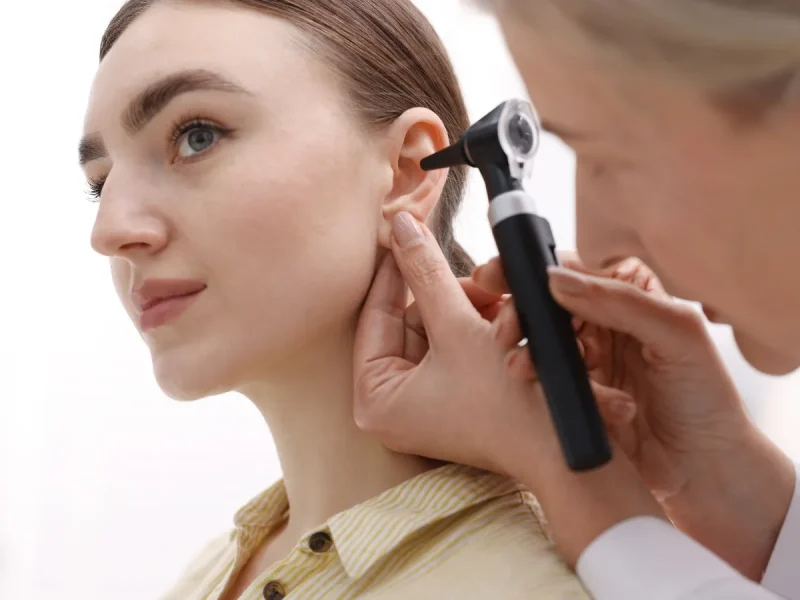
Not knowing what to expect from a medical appointment can make anyone a little uneasy, even when the process itself is quick and painless. If your employer has scheduled a mobile hearing test at your workplace, you might be wondering what actually happens, how long it takes, and what the results mean for you. The good news is that the entire process is straightforward, professional, and designed to fit right into a normal workday. Understanding what is coming can help both employees and employers feel more comfortable with the experience from start to finish.
Why Employers Choose Onsite Hearing Testing
Before getting into the details of the test itself, it helps to understand why so many BC businesses are moving toward onsite hearing testing in the first place. Traditional clinic appointments require employees to leave the job site, which eats into productive hours and often leads to scheduling conflicts. A mobile hearing test removes that friction entirely by bringing certified professionals directly to your workplace. This means less downtime for the business and a much easier experience for employees who no longer need to arrange travel or take time off.
Providers such as Clear Health Group specialize in delivering this kind of convenient, professional service to workplaces across various industries. Their approach focuses on minimizing disruption while still delivering accurate, reliable results that meet workplace hearing tests standards. For employers, this combination of convenience and quality makes onsite testing an easy decision. For employees, it simply means one less appointment to worry about outside of work hours.
Before the Test: What Gets Set Up
On the day of testing, a technician typically arrives with portable audiometric equipment and sets up in a quiet space at your workplace. This might be a spare office, meeting room, or any area that can be reasonably shielded from background noise. The setup process is usually quick, often taking less than an hour depending on the space available. Employers are generally asked in advance to help identify a suitable location so the day runs smoothly once testing begins.
Employees are usually called in individually, often based on a schedule created ahead of time to minimize wait times. If your workplace involves loud machinery or equipment, you may be asked to avoid additional noise exposure for a short period before your test. This helps ensure the results reflect your baseline hearing rather than temporary threshold shifts caused by recent noise. It is a small step, but one that helps keep the results as accurate as possible.
During the Test: What Actually Happens
The simplicity of the test itself is a big part of why it’s such a low-friction addition to a busy workday. Because the procedure relies on pure-tone audiometry , presenting a range of tones at varying pitches and volumes to each ear individually , it doesn’t require any preparation, fasting, or downtime beforehand, and there’s no needle, no physical contact, and no discomfort at any point. The button-press response format also makes results highly objective: rather than relying on a worker’s subjective description of how well they think they hear, the test produces a measurable threshold for each frequency, giving a precise, repeatable data point that can be tracked and compared against future tests. For an employer, that precision matters just as much as the convenience, since it turns a vague sense of “hearing seems fine” into an actual baseline that can reveal small shifts long before anyone would notice them in conversation.
The brief conversation with the technician adds another layer of value that’s easy to overlook. A quick question about noise levels in a specific role, or whether a worker has noticed ringing after a loud shift, can contextualize a borderline result in a way the numbers alone can’t. It also gives employees a low-pressure moment to flag a concern they might not otherwise bring up through formal channels, whether that’s a piece of hearing protection that doesn’t fit well or a work area that seems louder than others. Combined with the fact that workers can walk straight back to their tasks afterward with zero recovery time, the whole process is designed to fit inside the workday rather than compete with it , which is exactly why it holds up so well as a recurring part of a company’s safety routine rather than a one-off event.
What Happens with the Results
After testing wraps up, results are typically reviewed and compiled into a report for both the employee and the employer. Individual results are usually shared privately with each worker, often through a follow up conversation or written summary explaining what the numbers mean. If a change from previous testing is detected, the technician may recommend next steps, such as a referral for further evaluation or a discussion about hearing protection. This kind of clear communication helps employees understand their results without feeling confused or alarmed.
For employers, aggregated results and compliance documentation help track hearing trends across the workforce over time. This information supports WorkSafeBC compliance efforts and gives businesses a clearer picture of how their hearing conservation program is performing overall. Providers like Clear Health Group are experienced in delivering this kind of detailed, professional reporting through their mobile hearing testing program. Having organized, reliable records also makes future audits or safety reviews much less stressful.
What Employees Should Know Going In
A little preparation can help the testing experience go even more smoothly for everyone involved. Here are a few practical things employees should keep in mind before their scheduled test:
- Avoid loud noise exposure for a few hours before testing when possible
- Arrive on time based on the schedule provided by your employer
- Mention any recent ear infections or hearing concerns to the technician
- Ask questions if anything about the process feels unclear
- Expect to return to work immediately after your test is finished
None of these steps require significant effort, but they help ensure your results are as accurate as possible. Employees who understand the process ahead of time also tend to feel more relaxed once testing day actually arrives.
Why Accuracy Matters in Workplace Hearing Tests
Some employees assume that onsite testing might be less thorough than a clinic visit, but that is simply not the case. Workplace hearing tests conducted through mobile providers use the same certified equipment and trained audiology professionals found in traditional clinical settings. The portable nature of the equipment does not compromise its precision or reliability in any way. This means employers and employees alike can trust the results just as much as they would trust a clinic based assessment.
Accurate results matter because they form the foundation of a strong hearing conservation program. If testing is inconsistent or unreliable, it becomes much harder to track meaningful changes in an employee’s hearing over time. Home Services BC encourages businesses to work with proven, experienced providers to ensure their workplace health screening efforts actually deliver value. You can explore our full range of services to see how quality testing fits into a broader approach to workplace health and safety.
Frequently Asked Questions
How long does a mobile hearing test take per employee?
Most individual tests take between 10 and 15 minutes, though total time onsite depends on how many employees are being tested. Employers usually receive a schedule in advance to help minimize wait times for staff.
Is a mobile hearing test uncomfortable or invasive?
No, hearing testing is completely painless and non invasive. Employees simply wear headphones and respond to tones, making the process quick and easy for everyone involved.
Will I receive my results immediately?
Results are usually reviewed shortly after testing and shared with employees individually, often the same day or shortly after. If any follow up is needed, the technician will explain the next steps clearly.
Do I need to prepare anything before my scheduled test?
It helps to avoid loud noise exposure for a few hours beforehand, but otherwise no special preparation is required. Simply show up at your scheduled time and the technician will guide you through the rest.
How often are workplace hearing tests typically required?
This depends on your industry and noise exposure levels, though many high risk workplaces schedule testing annually. Your employer or testing provider can help determine the right frequency for your specific role.
Final Thoughts
Knowing what to expect during a mobile hearing test can make the entire experience feel a lot less intimidating, whether you are an employer planning the visit or an employee getting tested for the first time. The process is quick, professional, and designed to fit seamlessly into a regular workday without unnecessary disruption. From setup to results, every step is handled by certified professionals committed to accuracy and clear communication. If your business is ready to bring this kind of convenient, reliable testing to your team, register with Home Services BC today to get connected with trusted providers in your area. Reaching out to a team like Clear Health Group is often the easiest first step toward building a workplace where hearing health is never left to chance.