
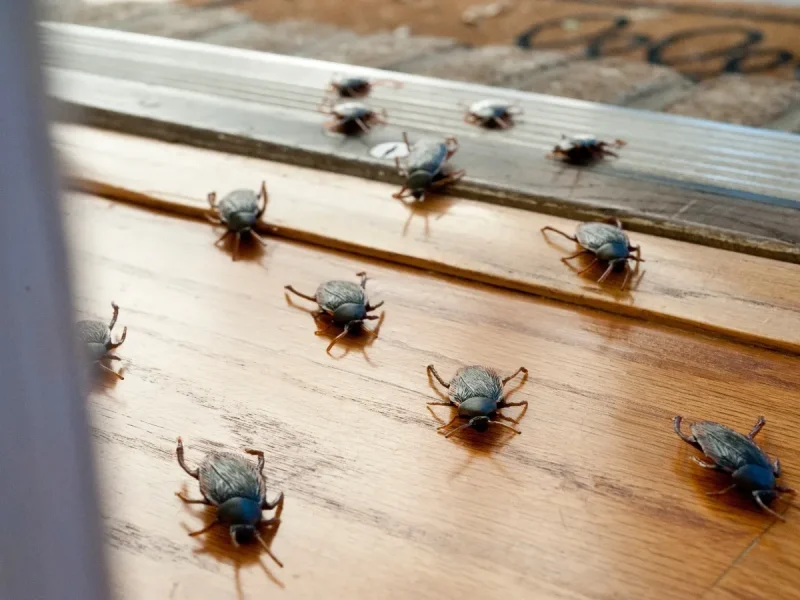
Renovations can greatly improve comfort, functionality, and property value, but they can also create unexpected pest issues. Many British Columbia homeowners are surprised when pests appear during or shortly after construction work is completed. This is why pest control after renovations BC homeowners rely on is an important step that often gets overlooked. At Home Service BC, we regularly hear from homeowners who finish renovations only to notice ants, rodents, or other pests appearing weeks later. Construction activity can disturb hidden pests or create new entry points that allow them inside.
Renovations may open walls, floors, and ceilings, exposing pathways that pests use to travel or nest. Construction materials, debris, and changes to landscaping can also attract pests or push them toward indoor spaces. Understanding how construction and renovations trigger pest activity helps homeowners take preventative steps before infestations take hold. This guide explains why these problems occur and how BC homeowners can protect their homes before, during, and after renovation projects.
Why Pest Control After Renovations BC Is Often Needed
Renovations disrupt the structure and balance of a home in ways that pests quickly take advantage of. When walls are opened, materials are moved, and long-sealed spaces are exposed, hidden pathways and nesting areas may suddenly become accessible. These changes often create new entry points for pests through temporary gaps, exposed framing, or disturbed foundations. Dust, debris, and construction materials can also attract pests by providing shelter or access to food sources. Even small or short-term renovation projects can be enough to disturb hidden nests and push pests into new areas of the home.
Pest control after renovations BC focuses on restoring protection once construction is complete. This includes identifying and sealing new vulnerabilities, checking for pest activity that may have been triggered during the work, and preventing newly exposed areas from becoming long-term entry points. Addressing pest risks after renovations helps ensure the improvements you made to your home are not undermined by new pest problems.
How Construction Disturbs Hidden Pest Activity
Many pests live quietly in hidden areas such as behind walls, under floors, in crawl spaces, or within attics. Because these areas are rarely accessed, pest activity can go unnoticed for long periods of time. Renovation work disrupts these spaces through noise, vibration, and physical exposure. Drilling, cutting, and demolition can destroy nests or block familiar pathways, forcing pests to relocate. When displaced, pests often move into living spaces where food, warmth, and shelter are more accessible. As a result, homeowners may suddenly notice pest activity that existed unnoticed before the renovation began. What appears to be a new infestation is often the exposure of an existing one that has been disturbed. Pest control after renovations BC helps manage this sudden exposure by identifying displaced pests, sealing newly exposed entry points, and restoring protection to prevent long-term infestation following construction work.
New Entry Points Created During Renovations
Renovations often involve cutting, drilling, or removing materials. Small gaps can be left behind unintentionally. Openings around pipes, wiring, and vents are common. Even unfinished trim can create access points. Pests take advantage of these vulnerabilities quickly. Pest control after renovations BC includes sealing and inspection.
Construction Materials Can Attract Pests
Certain materials attract pests during renovations. Wood, insulation, and cardboard packaging provide shelter. Stored materials may sit for weeks during projects. Pests can nest in these areas easily. Once materials are installed, pests may already be inside. Pest control after renovations BC addresses these risks early.
Increased Moisture During Renovation Projects
Renovations often involve plumbing, drywall, or exterior work. These projects can introduce moisture into the home. Leaks or condensation may go unnoticed during construction. Moist environments attract insects and rodents. Moisture problems often appear after work is completed. Pest control after renovations BC always considers moisture management.
How Outdoor Construction Drives Pests Indoors
Exterior renovations disturb outdoor pest habitats. Landscaping, foundation work, and deck construction displace pests. When outdoor shelter is removed, pests look for new homes. Nearby houses often become targets. Pest control after renovations BC helps protect homes during and after exterior projects.
Several pests commonly appear after renovations. Rodents may emerge from walls or attics. Ants may relocate due to disturbed nests. Cockroaches may spread when hiding spaces change. Spiders often appear after wall openings. Pest control after renovations BC often involves these pests.
Rodents are especially sensitive to disturbance. Renovation noise pushes them out of hiding. New gaps allow easy access. Food scraps from workers may attract them. Once inside, rodents may stay permanently. Pest control after renovations BC helps prevent long-term rodent problems.
Insects respond quickly to environmental changes. Ants follow new moisture or food sources. Cockroaches relocate when walls are opened. Termites may be exposed during structural work. Insect activity often increases shortly after renovations. Pest control after renovations BC helps manage this surge.
Why Finished Renovations Can Still Trigger Pests
Even after renovations are complete, risks remain. Sealed areas may still have small gaps. Settling materials can create new cracks. Moisture issues may develop later. Pests may take time to reveal themselves. Pest control after renovations BC is important even weeks after completion.
Construction dust and debris attract pests. Food particles mix with dust unnoticed. Debris piles create hiding spots. Incomplete cleanup increases risk. Thorough cleaning reduces attraction. Pest control after renovations BC includes proper cleanup practices.
Why DIY Pest Control Is Often Ineffective After Renovations
DIY pest control may address visible pests only. Hidden nests and entry points remain untreated. Renovation-related issues require structural awareness. DIY methods may delay proper action. Pest control after renovations BC benefits from professional assessment.
Post-renovation inspections play a critical role in protecting your home after construction work is completed. Renovations often create new vulnerabilities that may not be immediately visible, including gaps, cracks, and exposed access points that pests can exploit. During a post-renovation inspection, professionals carefully check newly sealed areas, walls, floors, and exterior entry points to ensure proper closure and protection. They also look for signs of pest activity that may have been triggered or exposed during construction.
Early detection allows homeowners to address issues before infestations become established. Catching problems at this stage helps prevent damage, reduce treatment costs, and avoid the stress of recurring pest activity. Pest control after renovations BC often begins with a thorough inspection, providing homeowners with peace of mind and confidence that their renovated space is secure, protected, and pest-resistant.
Sealing and Exclusion After Renovation Work
Sealing is critical once construction ends. Gaps around pipes and vents should be closed. Door and window seals may need adjustment. Exterior openings should be secured. Exclusion prevents pests from entering. Pest control after renovations BC prioritizes sealing.
Managing Waste and Materials During Renovations
Proper effective waste management reduces pest risk. Construction waste should be removed promptly. Materials should not be stored against the home. Food waste from workers should be contained. Clean sites attract fewer pests. Pest control after renovations BC starts during the project.
Renovations in Older Homes and Pest Risk
Older homes face higher pest risk during renovations. Aging materials expose hidden spaces. Existing gaps may widen. Moisture issues may already exist. Renovations can reveal long-standing infestations. Pest control after renovations BC is especially important for older homes.
Multi-Unit Renovations and Pest Spread
Renovations in apartments or townhomes affect multiple units. Disturbed pests may move between suites. One unit’s renovation can impact neighbours. Coordination with property management is important. Pest control after renovations BC helps prevent building-wide issues.
Seasonal Timing and Renovation-Related Pest Activity
Season matters when renovating. Fall and winter renovations drive pests indoors. Spring and summer increase insect activity. Seasonal awareness helps plan prevention. Pest control after renovations BC should consider timing.
Preventative Steps Before Renovations Begin
Prevention can start before work begins. Inspecting for pests beforehand sets a baseline. Sealing obvious gaps reduces risk. Planning waste management helps. Prevention reduces surprises. Pest control after renovations BC works best when proactive.
- Seal gaps created by construction
- Remove debris and waste quickly
- Store materials away from the home
- Fix moisture issues promptly
- Schedule a post-renovation inspection
How Home Service BC Supports Pest Control After Renovations BC
At Home Service BC, we help homeowners protect their homes during and after renovation projects. Our platform connects homeowners with trusted local pest control professionals who understand construction-related risks. Homeowners can explore reliable services through our services page. We also share expert advice and homeowner experiences through our podcast. Our goal is to help homeowners enjoy their renovations without unexpected pest problems.
Addressing pest risks early prevents future infestations. Homes remain comfortable and protected. Repair costs are reduced. Renovation investments are preserved. Pest control after renovations BC offers long-term value. Pest prevention should be part of renovation planning. Including inspections and sealing saves time later. Awareness reduces stress after completion. Prevention becomes easier when planned. Pest control after renovations BC supports smarter home improvements. Delaying pest control after renovations allows pests to settle. Small issues grow quietly. Repairs become more expensive. Acting early avoids escalation. Pest control after renovations BC encourages timely action.
Building a Pest-Resistant Home After Renovations
Renovations present an opportunity to strengthen your home’s defences against pests. Each repair, seal, and properly finished surface helps close gaps and eliminate access points that pests rely on. When done thoughtfully, renovations can make a home more pest-resistant than it was before. Attention to detail during finishing, such as sealing around pipes, vents, windows, and baseboards, reduces vulnerabilities and limits future entry opportunities. Addressing moisture control, insulation, and ventilation during renovations further supports long-term pest prevention.
Pest control after renovations BC helps ensure that new construction or upgrades do not introduce hidden risks. By combining professional inspection with proper sealing and prevention strategies, homeowners can create a more resilient home that stays protected long after the renovation is complete. Thoughtful post-renovation care transforms upgrades into long-term protection, supporting comfort, safety, and peace of mind.
Final Thoughts
Renovations improve your home, but they also disrupt the environment pests rely on. Without proper prevention, these changes can invite new infestations. Pest control after renovations BC focuses on sealing, inspection, and early action to protect your investment. At Home Service BC, we are committed to helping homeowners connect with trusted professionals who understand renovation-related pest risks. With proactive care and expert support, Home Service BC helps homeowners enjoy their upgrades without unwanted pest problems.