
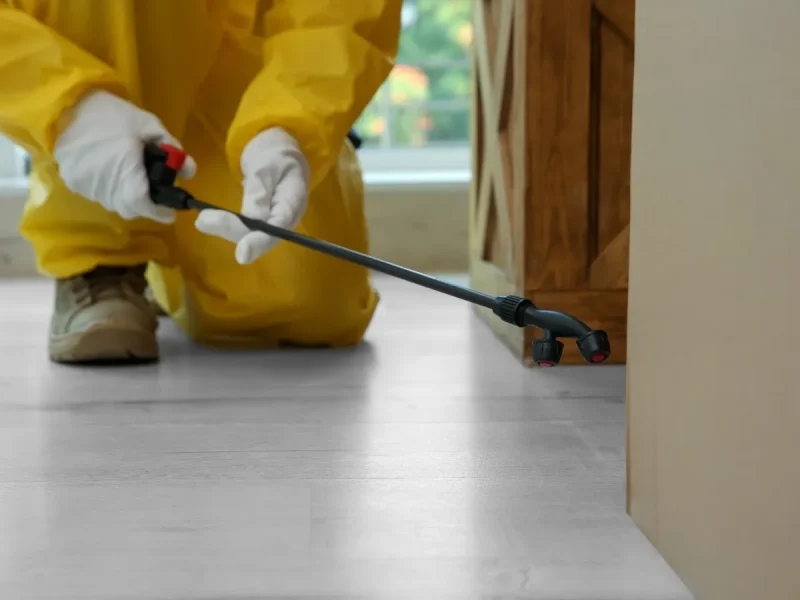
When homeowners think about pests, they often focus on visible damage, noise, or general inconvenience. What is frequently overlooked is how pests can quietly and continuously affect the air quality inside the home. Over time, infestations can significantly reduce indoor air quality and contribute to ongoing health concerns. This is why understanding pest infestation health risks BC homeowners face is so important. At Home Service BC, we often speak with homeowners who are surprised to learn that persistent allergy symptoms, respiratory irritation, or unexplained odours are linked to hidden pest activity.
Rodent droppings, urine, nesting materials, shed insect skins, and decaying organic matter can all become airborne as fine particles. These contaminants circulate through ventilation systems and living spaces, especially in enclosed areas like attics, crawl spaces, and wall voids. Moist environments created by pests can also encourage mold growth, further degrading air quality. Long-term infestations create hidden risks that build slowly but steadily, often without obvious warning signs. Early detection and professional intervention help protect indoor air quality, reduce health risks, and restore a cleaner, healthier home environment.
Why Pest Infestation Health Risks BC Go Beyond What You Can See
Pests do not need to be visible to cause serious problems inside a home. Many infestations remain hidden behind walls, in attics, crawl spaces, or beneath floors, areas that are rarely inspected but directly connected to indoor air circulation. As pests live, feed, and nest, they release contaminants such as droppings, urine, dander, shed skins, and decaying organic material. These substances break down into fine particles that can become airborne and spread through ventilation systems and living spaces.
Over time, this continuous exposure can cause indoor air quality to decline without any obvious warning signs. Homeowners may experience symptoms like allergies, respiratory irritation, headaches, or lingering odours without realizing pests are the source. Pest infestation health risks BC often develop quietly, building over time before homeowners make the connection. This is why early detection and professional inspection are essential for protecting both air quality and long-term household health.
What Indoor Air Quality Really Means for Your Home
Indoor air quality refers to the cleanliness and safety of the air inside your home. It is affected by dust, moisture, allergens, and pollutants. Poor air quality can cause headaches, fatigue, and breathing issues. Homes with hidden pest infestations often have higher contaminant levels. Understanding this connection helps homeowners protect their health. Pest infestation health risks BC directly impact indoor air conditions.
Droppings are one of the biggest contributors to poor air quality. Rodents and insects leave waste behind as they move through the home. As droppings dry, they break down into fine particles. These particles become airborne and are easily inhaled. This is especially dangerous in enclosed spaces. Pest infestation health risks BC increase when droppings are left undisturbed.
Urine and Odours in Hidden Spaces
Rodent urine is another major air quality concern. It soaks into insulation, wood, and drywall. Over time, odours intensify and spread. The smell is not just unpleasant, it indicates airborne contaminants. These fumes can irritate lungs and trigger allergic reactions. Pest infestation health risks BC often include prolonged exposure to these hidden odours.
How Nesting Materials Pollute the Air
Pests build nests using insulation, paper, fabric, and debris. As nests break down, particles enter the air. Nesting areas often trap moisture, encouraging mold growth. Mold spores then circulate through the home. This combination creates a serious air quality issue. Pest infestation health risks BC increase when nesting materials are left untreated.
The Role of Decomposing Pests
In long-term infestations, pests may die inside walls, ceilings, attics, or other hidden areas of the home. When this happens, decomposition begins out of sight but has a direct impact on indoor air quality. As pests decompose, they release bacteria, gases, and unpleasant odours that can spread through walls and ventilation systems. These byproducts may cause persistent smells, respiratory irritation, nausea, headaches, or other health symptoms, especially in enclosed spaces.
Decomposing pests can also attract secondary pests such as flies, beetles, or mites, creating additional infestations and compounding the problem. This chain reaction further degrades air quality and increases health risks. Pest infestation health risks BC often escalate in these situations because the issue remains hidden while contamination continues to spread. Prompt professional intervention is essential to remove affected materials, sanitize impacted areas, and restore a healthy indoor environment.
Allergens Produced by Common Household Pests
Many pests produce allergens that affect indoor air. Cockroach droppings and shed skins are powerful allergens. Rodent dander becomes airborne easily. Dust mites may thrive in pest-disturbed environments. These allergens build up over time. Pest infestation health risks BC are especially concerning for allergy sufferers.
Asthma symptoms often worsen in homes with infestations. Airborne particles irritate sensitive airways. Children are particularly vulnerable. Even low levels of pest allergens can trigger attacks. Poor indoor air quality increases medication reliance. Pest infestation health risks BC often show up as unexplained respiratory issues.
Pests and moisture often go hand in hand. Rodents may chew pipes, causing leaks. Insects thrive in damp areas and spread further. Moisture encourages mold growth, which releases spores into the air. Mold significantly reduces indoor air quality. Pest infestation health risks BC are amplified when moisture issues are present.
How Ventilation Systems Spread Contaminants
Modern homes rely on ventilation to circulate air. Unfortunately, this can spread pest-related contaminants. Dust, allergens, and odours move through ducts. This distributes pollutants throughout the home. Cleaning visible areas does not fix the source. Pest infestation health risks BC often persist due to contaminated airflow.
Short-term exposure may cause mild irritation. Long-term exposure can lead to chronic symptoms. These include persistent coughing, sinus problems, and fatigue. Some homeowners experience recurring illnesses without clear causes. Addressing pests often improves symptoms. Pest infestation health risks BC are cumulative over time.
Why Children and Seniors Are More Vulnerable
Certain groups are more affected by poor air quality. Children breathe more air relative to body size. Seniors often have weaker immune systems. Pre-existing conditions increase sensitivity. Pest infestation health risks BC pose greater danger to these vulnerable groups.
How Pets Are Affected by Poor Indoor Air
Pets also suffer from reduced air quality. They spend more time near floors where contaminants settle. Respiratory issues and skin irritation may appear. Pets may show symptoms before humans do. Their health can signal hidden problems. Pest infestation health risks BC affect the entire household.
The longer an infestation lasts, the deeper contamination spreads. Droppings and urine penetrate materials. Insulation may need replacement. Air ducts may require cleaning. Simple surface cleaning is not enough. Pest infestation health risks BC increase as remediation becomes more complex.
Why DIY Cleaning Does Not Solve Air Quality Issues
DIY cleanup often removes visible signs only. Hidden contaminants remain behind walls and ceilings. Improper cleaning can stir particles into the air. Protective equipment is often overlooked. Without removal of the infestation, problems return. Pest infestation health risks BC require professional solutions.
How Professional Pest Control Improves Indoor Air Quality
Professional pest control plays a critical role in restoring and protecting indoor air quality. By removing the source of contamination, pest control professionals stop the continuous release of harmful particles into the home’s environment. Thorough inspections identify hidden nests, droppings, decomposing pests, and entry points that homeowners often cannot see. Once identified, targeted treatments eliminate active infestations and prevent further contamination from spreading through walls, attics, and ventilation systems.
Beyond treatment, professionals often recommend cleanup, sanitation, and necessary repairs such as insulation replacement, sealing gaps, and improving ventilation. These steps help remove lingering contaminants and prevent future infestations. Addressing pests is often the first step toward cleaner, healthier air. Pest infestation health risks BC decrease significantly with expert intervention, helping homeowners create safer living spaces and improve overall indoor comfort and wellbeing.
The Importance of Exclusion and Sealing
Stopping pests from returning is critical. Sealing entry points prevents reinfestation. This protects air quality long term. Without exclusion, contaminants reappear. Prevention supports lasting improvement. Pest infestation health risks BC are reduced when homes are sealed properly.
After pests are removed, cleanup is essential. Contaminated materials may need replacement. Insulation and affected surfaces should be addressed. Air filters may require upgrading. Recovery takes time but improves comfort. Pest infestation health risks BC decline after proper remediation.
How Long It Takes for Air Quality to Improve
Improvement depends on infestation severity. Minor issues may resolve quickly. Long-term infestations take longer to fully address. Professional guidance ensures proper steps are taken. Monitoring symptoms helps track progress. Pest infestation health risks BC lessen as air quality improves.
Preventing Future Air Quality Issues
Prevention is essential for protecting both household health and long-term comfort. By addressing pest risks early, homeowners can avoid the gradual decline in indoor air quality that often accompanies long-term infestations. Regular pest inspections help catch problems before contamination spreads. Managing moisture through proper drainage, leak repairs, and humidity control reduces conditions that attract pests and encourage mold growth.
Proper ventilation supports cleaner air by limiting the buildup of airborne particles from hidden spaces. Ongoing prevention minimizes the risk of repeat infestations and the return of air quality issues. When pest control becomes part of routine home maintenance, homes stay healthier and more comfortable year-round. Pest infestation health risks BC are far easier to manage proactively than after damage has occurred. Consistent prevention supports cleaner air, reduced health concerns, and greater peace of mind for homeowners.
How Home Service BC Helps with Pest Infestation Health Risks BC
At Home Service BC, we help homeowners address pest problems that affect health and indoor air quality. Our platform connects homeowners with trusted local pest control professionals who understand long-term risks. Homeowners can explore reliable services through our services page. We also share expert advice and homeowner experiences through our podcast. Our goal is to support healthier homes across British Columbia.
Early pest control limits air contamination. Small infestations cause less damage. Cleanup is easier and faster. Health risks are reduced significantly. Pest infestation health risks BC are easier to manage when caught early. Air quality should be part of routine home care. Regular checks improve awareness. Addressing pests supports overall wellness. Clean air improves daily life. Pest infestation health risks BC deserve ongoing attention.
The Hidden Cost of Ignoring Pest Infestations
Ignoring infestations increases health risks and repair costs. Medical visits and home repairs add up. Stress and discomfort affect quality of life. Prevention is more affordable than recovery. Pest infestation health risks BC come with real consequences.
Healthy homes start with prevention. Removing pests removes pollutants. Clean air supports better sleep and energy. Homes feel more comfortable and safe. Pest infestation health risks BC can be controlled with the right approach.
Final Thoughts
Long-term pest infestations do more than damage homes, they quietly compromise indoor air quality and health. Airborne contaminants from pests build up over time and affect everyone in the household. Pest infestation health risks BC highlight the importance of early detection, professional treatment, and proper cleanup. At Home Service BC, we are committed to helping homeowners connect with trusted professionals who understand these hidden dangers. With proactive care and expert support, Home Service BC helps homeowners breathe easier and protect their homes with confidence and peace of mind.