
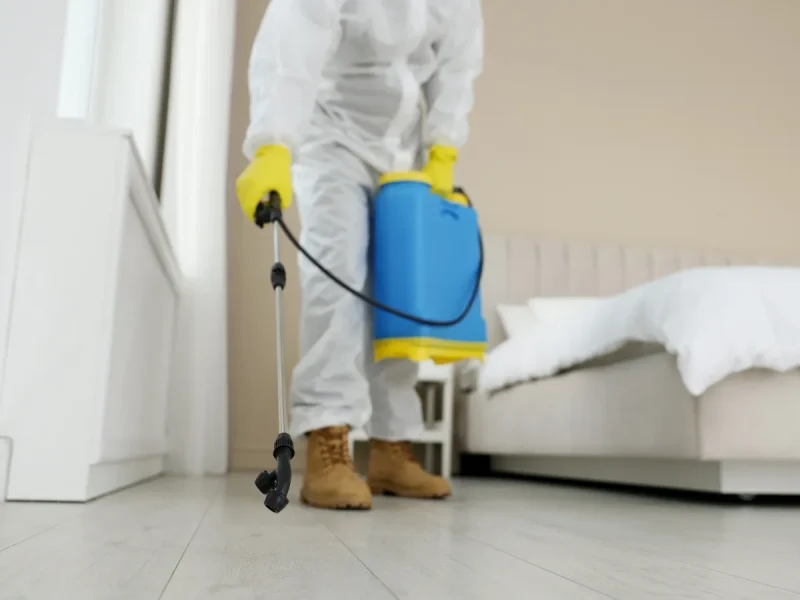
Booking a pest inspection is often the first step toward protecting your home, but many homeowners are unsure what the process actually involves. Understanding what to expect helps reduce stress, builds confidence, and ensures better long-term results. The pest inspection process BC homeowners rely on is designed to be thorough, informative, and preventative. Rather than focusing only on visible pests, professional inspections aim to uncover the root causes of pest activity and identify risks before infestations become established.
At Home Service BC, we often hear from homeowners that inspections provide clarity and peace of mind. A professional inspection is not just about finding pests, it’s about understanding why they are present, how they entered the home, and what steps can be taken to prevent future problems. This guide walks through what happens during a professional pest control inspection in British Columbia, helping homeowners feel informed, prepared, and confident in the process.
Why the Pest Inspection Process BC Is So Important
A pest inspection sets the foundation for effective pest control. Without a proper inspection, treatments may only address surface issues. Inspections help identify pest types, entry points, and contributing factors. They also uncover hidden activity that homeowners may not notice. In British Columbia, climate and housing styles add complexity to pest issues. The pest inspection process BC ensures treatments are targeted and effective from the start.
Pest inspections are useful in many situations. Homeowners often book inspections after noticing droppings, noises, or damage. Inspections are also recommended before buying or selling a home. Seasonal inspections help catch problems early. Homes with recurring pest issues benefit from regular inspections. The pest inspection process BC is a proactive step, not just a reaction to visible pests.
What Happens Before the Inspection Begins
Before the inspection, homeowners may receive basic preparation instructions. This may include clearing access to basements, garages, or crawl spaces. Inspectors may ask about recent pest sightings or concerns. Sharing details helps focus the inspection. Preparation ensures the inspection runs smoothly. The pest inspection process BC works best when homeowners communicate openly.
The inspection usually begins outside the home. Inspectors examine the foundation, siding, and roofline for entry points. Cracks, gaps, and damaged seals are carefully checked. Vents, utility lines, and drainage areas are also inspected. Landscaping near the home is reviewed for pest risk. The pest inspection process BC starts outside because many infestations begin there.
Checking Entry Points Around the Home
Entry points are a major focus during inspections. Inspectors look for gaps around doors, windows, and garage doors. Weather stripping and seals are assessed for wear. Small openings that pests can use are identified. Even tiny gaps matter when it comes to insects and rodents. The pest inspection process BC emphasizes exclusion as a key prevention strategy.
Garages and sheds often house early pest activity. Inspectors look for droppings, nesting materials, or damage. Stored items and clutter are assessed for risk. Gaps and moisture issues are noted. These areas often connect directly to the home. The pest inspection process BC includes outdoor structures to prevent indoor spread.
Interior Inspection of Living Areas
Inside the home, inspectors move room by room. Kitchens and bathrooms receive special attention due to moisture and food sources. Inspectors look for droppings, gnaw marks, and pest trails. Cabinets, pantries, and under-sink areas are checked. Living areas are assessed for signs of activity. The pest inspection process BC is thorough but minimally disruptive.
Basements and crawl spaces are common pest hotspots in BC homes. Inspectors look for moisture, insulation damage, and entry points. Rodent activity is often detected in these areas. Structural elements are examined for signs of insects. Proper ventilation is assessed. The pest inspection process BC prioritizes these hidden spaces.
Attic and Roof Space Inspection
Attics often reveal signs of rodents, birds, or insects. Inspectors check insulation for nesting or damage. Roof vents and openings are assessed from inside and out. Droppings or noises often point to attic activity. These spaces are crucial for early detection. The pest inspection process BC includes attics when accessible.
Correct pest identification is essential. Different pests require different treatment approaches. Inspectors use physical signs, behaviour patterns, and location to identify pests. Misidentification can lead to ineffective treatment. Accurate identification improves success rates. The pest inspection process BC focuses on precision rather than assumptions.
Assessing the Severity of the Problem
Not all pest issues are the same, which is why assessing severity is a key part of a professional inspection. During the inspection, pest control professionals evaluate whether the activity is minor, moderate, or severe based on factors such as pest type, population size, damage, and how long the issue appears to have been present. This assessment helps determine the scope of treatment needed. Early-stage infestations may require minimal intervention, such as targeted treatment and preventative measures.
In contrast, more advanced infestations often require multi-step solutions, follow-up visits, and ongoing monitoring to ensure complete control. By accurately assessing severity, the pest inspection process BC homeowners rely on helps set realistic expectations for treatment timelines, costs, and outcomes. This clarity allows homeowners to make informed decisions and plan confidently for next steps.
Looking for Conditions That Attract Pests
Inspections go beyond finding pests. Inspectors look for conditions that attract them. Moisture issues, food sources, and clutter are noted. Structural vulnerabilities are identified. These factors often explain why pests are present. The pest inspection process BC addresses root causes, not just symptoms.
Moisture is a major pest attractant in British Columbia. Inspectors check for leaks, condensation, and poor drainage. Basements, bathrooms, and kitchens are closely examined. Outdoor drainage patterns are also reviewed. Moisture management is key to prevention. The pest inspection process BC always includes moisture assessment.
Inspection in Condos and Townhomes
Multi-unit buildings present unique challenges. Inspectors consider shared walls, floors, and plumbing. Pest movement between units is assessed. Common areas may also be reviewed. Coordination with property management may be recommended. The pest inspection process BC adapts to shared living environments.
What Inspectors Do Not Do During an Inspection
A pest inspection is not always the same as treatment. Inspectors may not apply products during the initial visit. The focus is on assessment and planning. This ensures treatments are appropriate and safe. Homeowners receive recommendations before action is taken. The pest inspection process BC values careful planning.
Receiving the Inspection Findings
After the inspection, homeowners receive a summary of findings. This includes pest identification, affected areas, and contributing factors. Inspectors explain what was found in clear terms. Questions are encouraged. Transparency builds trust and understanding. The pest inspection process BC prioritizes clear communication.
Based on findings, inspectors recommend appropriate treatment options. This may include immediate treatment, monitoring, or preventative measures. Homeowners are informed about timelines and preparation. Recommendations are tailored to the home and pest type. The pest inspection process BC helps homeowners make informed decisions.
Preventative Recommendations for Homeowners
Prevention is a key outcome of inspections. Inspectors often recommend sealing entry points, reducing moisture, and improving storage. Landscaping changes may be suggested. Routine maintenance helps reduce future risk. The pest inspection process BC supports long-term prevention, not just short-term fixes.
Most pest inspections take between 45 minutes and two hours. Larger homes or complex issues may take longer. Condos with shared spaces may require additional time. Thorough inspections are not rushed. The pest inspection process BC values accuracy over speed.
Why Professional Inspections Are More Effective Than DIY Checks
While homeowners can spot obvious signs of pests, many infestations begin with subtle indicators that are easy to miss. Professional inspectors are trained to recognize early warning signs and understand where pests are most likely to hide, such as behind walls, under floors, and in crawl spaces or attics. Pest control professionals use specialized tools, knowledge, and experience to detect activity that may not be visible during a routine DIY check. They can identify entry points, nesting areas, moisture issues, and environmental factors that contribute to pest problems.
This deeper level of inspection improves accuracy and effectiveness. DIY checks often focus only on visible areas and may overlook hidden infestations or structural vulnerabilities. As a result, problems can continue to grow unnoticed. The pest inspection process BC homeowners rely on benefits from trained expertise, ensuring issues are identified early and addressed properly. Professional inspections provide clearer insights, more reliable solutions, and greater peace of mind.
How Inspections Help Reduce Long-Term Costs
Early detection saves money over time. Small issues are easier and cheaper to address. Inspections help avoid major repairs caused by pests. Preventative care reduces recurring treatments. The pest inspection process BC is an investment in protection.
The right inspection frequency depends on risk factors. Homes with previous infestations benefit from annual inspections. Older homes or those near green spaces may need more frequent checks. Seasonal inspections are also effective. The pest inspection process BC adapts to each home’s needs.
How Home Service BC Helps Homeowners with Pest Inspections
At Home Service BC, we help homeowners connect with trusted professionals who offer thorough pest inspections. Our platform highlights local experts who understand BC’s pest challenges. Homeowners can explore inspection and pest control options through our services page. We also share expert insights and homeowner experiences through our podcast. Our goal is to make inspections simple and informative.
What Homeowners Should Do After an Inspection
After an inspection, homeowners should review recommendations carefully. Addressing suggested repairs improves results. Scheduling treatment promptly prevents escalation. Ongoing monitoring supports long-term success. The pest inspection process BC continues beyond the inspection itself.
Some homeowners believe inspections are only needed when pests are visible. Others assume inspections are invasive or disruptive. In reality, inspections are preventative and low impact. Early inspections reduce stress and cost. The pest inspection process BC is designed to be homeowner-friendly.
Building Confidence Through the Inspection Process
Pest inspections provide clarity during what can be a stressful and uncertain time for homeowners. Understanding what is happening in your home, and why, helps reduce anxiety and replace guesswork with reliable information. Through the inspection process, homeowners gain insight into the type of pest activity present, the severity of the issue, and the factors contributing to the problem. This knowledge gives homeowners a greater sense of control and confidence when deciding how to move forward.
Clear explanations and actionable plans replace uncertainty with direction. Rather than reacting to pests as they appear, homeowners can take informed steps toward effective treatment and prevention. The pest inspection process BC empowers homeowners to act confidently, knowing they have accurate information, professional guidance, and a clear path toward protecting their home and peace of mind.
Final Thoughts
A professional pest inspection is one of the most important steps in protecting your home. The pest inspection process BC is designed to uncover hidden issues, identify risks, and guide effective solutions. At Home Service BC, we believe informed homeowners make better decisions. By working with trusted local professionals, homeowners gain insight, prevention, and peace of mind. With expert inspections and clear guidance, Home Service BC helps homeowners protect their homes with confidence and long-term security.