
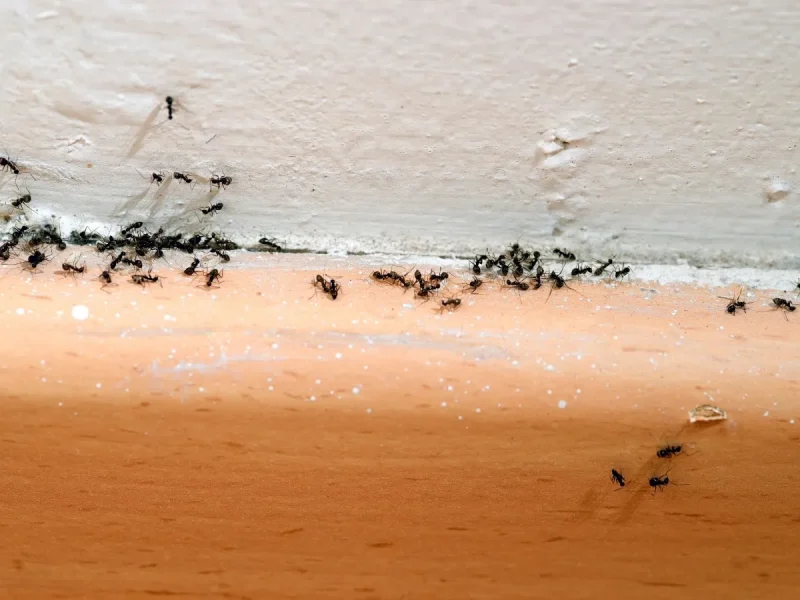
Professional pest control is a major step toward protecting your home, but what happens after treatment is just as important as the service itself. Many infestations return when prevention steps are ignored or short-lived. Effective pest control doesn’t end when technicians leave, it continues through consistent habits and ongoing maintenance. This is why post-treatment pest prevention BC homeowners rely on focuses on long-term protection rather than quick fixes. At Home Service BC, we often remind homeowners that pest control is a process, not a one-time solution.
Professional treatment addresses the immediate problem, but prevention keeps it from coming back. Maintaining a pest-free home requires awareness of entry points, attention to cleanliness, moisture control, and regular monitoring. Small actions taken consistently can make a significant difference in preventing future infestations. This guide explains how British Columbia homeowners can protect their homes after professional treatment, reduce the risk of recurrence, and maintain a comfortable, pest-free living environment through smart, proactive care.
Why Post-Treatment Pest Prevention BC Is Essential
Professional treatment removes the immediate problem, but it does not automatically prevent future pests. Entry points, moisture, and food sources may still exist. Without prevention, new pests can move in quickly. British Columbia’s mild climate allows pests to stay active year round. Post-treatment pest prevention BC helps protect the investment you made in professional service. Prevention ensures results last longer and reduces the need for repeat treatments.
After treatment, it is important to understand what was done. Professionals may have eliminated active pests, disrupted breeding cycles, or sealed certain entry points. Some treatments continue working over time. Seeing occasional pest activity shortly after treatment can be normal. Knowing this helps manage expectations. Post-treatment pest prevention BC builds on the work already completed.
Following All After-Treatment Instructions
After-treatment instructions are critical to success. These may include waiting periods before cleaning certain areas. Some surfaces should not be washed right away. Re-entry timelines for pets and children must be followed. Ignoring instructions can reduce effectiveness. Post-treatment pest prevention BC starts with following professional guidance carefully.
Keeping Your Home Clean and Organized
Clean homes are less attractive to pests. Crumbs, spills, and food residue draw insects and rodents. Regular cleaning removes these attractants. Reducing clutter limits hiding places. Storage areas should be kept organized and accessible. Post-treatment pest prevention BC relies heavily on cleanliness.
Proper Food Storage Practices
Food storage plays a major role in pest prevention. Pantry items should be kept in sealed containers. Pet food should not be left out overnight. Garbage bins should have tight-fitting lids. Recycling should be rinsed before storage. Post-treatment pest prevention BC includes eliminating food access.
Managing Moisture Throughout the Home
Moisture attracts many pests common in BC. Leaks under sinks or appliances should be fixed quickly. Bathrooms and kitchens should be ventilated properly. Basements and crawl spaces should remain dry. Outdoor drainage should direct water away from the foundation. Post-treatment pest prevention BC always includes moisture control.
Sealing Entry Points After Treatment
One of the most important prevention steps is sealing entry points. Small cracks and gaps allow pests to return. Doors and windows should be checked for gaps. Weather stripping and door sweeps may need replacement. Sealing prevents reinfestation. Post-treatment pest prevention BC focuses on exclusion.
Monitoring Doors and Windows Regularly
Doors and windows shift over time due to seasonal changes. These shifts can create new gaps. Regular inspection helps catch issues early. Screens should be repaired if damaged. Window caulking should be maintained. Post-treatment pest prevention BC includes routine checks of entry points.
Preventing Outdoor Pest Attraction
Outdoor conditions influence indoor pest activity. Landscaping should be kept away from the foundation. Firewood should be stored off the ground and away from the home. Garbage bins should be sealed and clean. Standing water should be eliminated. Post-treatment pest prevention BC extends beyond the walls of the home.
Garages and sheds are common starting points for infestations. These areas should be kept clean and organized. Items should be stored in sealed containers. Gaps around doors should be sealed. Regular inspections help catch early signs. Post-treatment pest prevention BC includes all structures on the property.
Maintaining Attics and Basements
Attics and basements are often overlooked. These areas should be inspected periodically. Insulation should remain intact and dry. Signs of droppings or nesting should be addressed immediately. Proper ventilation reduces moisture. Post-treatment pest prevention BC prioritizes hidden spaces.
Understanding Seasonal Pest Patterns in BC
Pest behaviour changes with the seasons. Fall and winter push pests indoors for warmth. Spring and summer increase insect activity. Seasonal awareness helps homeowners prepare. Prevention steps may need adjustment throughout the year. Post-treatment pest prevention BC works best when seasonal patterns are considered.
Avoiding Common Post-Treatment Mistakes
Some homeowners unintentionally undo treatment results. Over-cleaning treated areas too soon can reduce effectiveness. Ignoring small signs allows pests to return. Delaying repairs creates new access points. Using random sprays may interfere with professional products. Post-treatment pest prevention BC avoids these common mistakes.
Monitoring for Early Warning Signs
Early detection prevents reinfestation. Homeowners should watch for droppings, noises, or unusual smells. Insect trails or frequent sightings should be noted. Monitoring allows quick response. Addressing small issues early prevents larger problems. Post-treatment pest prevention BC depends on vigilance.
Communicating With Your Pest Control Provider
Communication does not end after treatment. Homeowners should report concerns promptly. Follow-up visits may be recommended. Asking questions helps clarify expectations. Providers can adjust strategies if needed. Post-treatment pest prevention BC is stronger with ongoing communication.
Some pest problems require multiple visits. Follow-up treatments address newly hatched pests or missed areas. Skipping follow-ups can lead to recurrence. Understanding this process reduces frustration. Post-treatment pest prevention BC includes patience and cooperation.
Why DIY Products Can Interfere With Results
Using store-bought products after professional treatment can be counterproductive. DIY sprays may repel pests into untreated areas. Mixing products can reduce effectiveness. Unnecessary exposure may also increase risk. Post-treatment pest prevention BC relies on professional guidance rather than guesswork.
Supporting Integrated Pest Management Practices
Integrated pest management focuses on prevention and monitoring. Chemical use is minimized whenever possible. Structural repairs and sanitation play major roles. This approach delivers long-term results. Post-treatment pest prevention BC often follows integrated pest management principles.
In apartments and condos, prevention requires coordination. One untreated unit can affect others. Residents should report issues promptly. Property management should coordinate prevention efforts. Shared spaces should be maintained carefully. Post-treatment pest prevention BC is especially important in multi-unit buildings.
Educating Household Members
Everyone in the home plays a role in prevention. Family members should understand proper food storage. Children should know not to leave food out. Pet care routines should support prevention. Education improves consistency. Post-treatment pest prevention BC works best when everyone participates.
Pets can reintroduce pests if not monitored. Regular grooming helps detect fleas or ticks early. Pet bedding should be washed frequently. Outdoor exposure should be managed carefully. Veterinary prevention supports home prevention. Post-treatment pest prevention BC includes pet care awareness.
Keeping Storage Areas Organized
Storage areas often become pest shelters. Cardboard boxes attract insects and rodents. Plastic bins with lids are a better option. Items should be kept off the floor when possible. Regular cleanouts reduce risk. Post-treatment pest prevention BC includes smart storage practices.
Preventative inspections catch problems early. Annual or seasonal inspections are beneficial. Homes with past infestations may need more frequent checks. Inspections provide peace of mind. Post-treatment pest prevention BC is proactive rather than reactive.
Long-Term Benefits of Prevention
Maintaining a pest-free home offers many benefits. Homes remain healthier and more comfortable. Repair costs are reduced. Stress related to infestations decreases. Property value is protected. Post-treatment pest prevention BC delivers long-term value. Preventing reinfestation is less costly than repeated treatment. Small repairs cost less than major damage. Early detection reduces service needs. Prevention protects your investment. Post-treatment pest prevention BC saves money in the long run.
Creating a Post-Treatment Prevention Routine
Consistency is the key to maintaining a pest-free home after professional treatment. Establishing a routine helps ensure prevention steps are not forgotten once the immediate problem is resolved. Simple, repeatable habits make long-term pest prevention far more effective. Setting reminders for periodic inspections encourages homeowners to check common risk areas such as kitchens, basements, attics, and entry points. Seasonal checklists help guide maintenance tasks and improve follow-through, especially as pest activity changes throughout the year.
When prevention becomes part of regular home care, it feels less like a chore and more like routine maintenance. Small actions, such as sealing gaps, reducing clutter, and monitoring for moisture, can make a significant difference over time. Post-treatment pest prevention BC works best when it is built into ongoing home maintenance. Consistent routines help protect your home, reduce the risk of recurrence, and support lasting peace of mind.
Simple Post-Treatment Pest Prevention Tips
- Follow all after-treatment instructions
- Seal new cracks and gaps promptly
- Store food in airtight containers
- Manage moisture throughout the home
- Schedule regular inspections
How Home Service BC Supports Post-Treatment Pest Prevention BC
At Home Service BC, we help homeowners protect their homes long after treatment ends. Our platform connects homeowners with trusted local professionals who focus on prevention as well as treatment. Homeowners can explore reliable pest control options through our services page. We also share expert advice and real homeowner experiences through our podcast. Our goal is to support lasting results, not temporary fixes. It is normal to feel cautious after dealing with pests.
Knowledge builds confidence. Understanding prevention steps reduces worry. Staying proactive empowers homeowners. Post-treatment pest prevention BC helps homeowners feel in control again. Homes become more pest-resistant with ongoing care. Each sealed gap and fixed leak improves protection. Prevention strengthens the home gradually. Over time, pest issues become less likely. Post-treatment pest prevention BC supports long-term resilience.
Final Thoughts
Professional pest control is an important first step, but prevention is what keeps pests from coming back. By maintaining clean spaces, sealing entry points, and staying alert, homeowners can protect their homes long term. Post-treatment pest prevention BC focuses on consistency, awareness, and proactive care. At Home Service BC, we are committed to helping homeowners connect with trusted professionals who support lasting results. With smart habits and expert support, Home Service BC helps homeowners enjoy pest-free homes with confidence and peace of mind.