
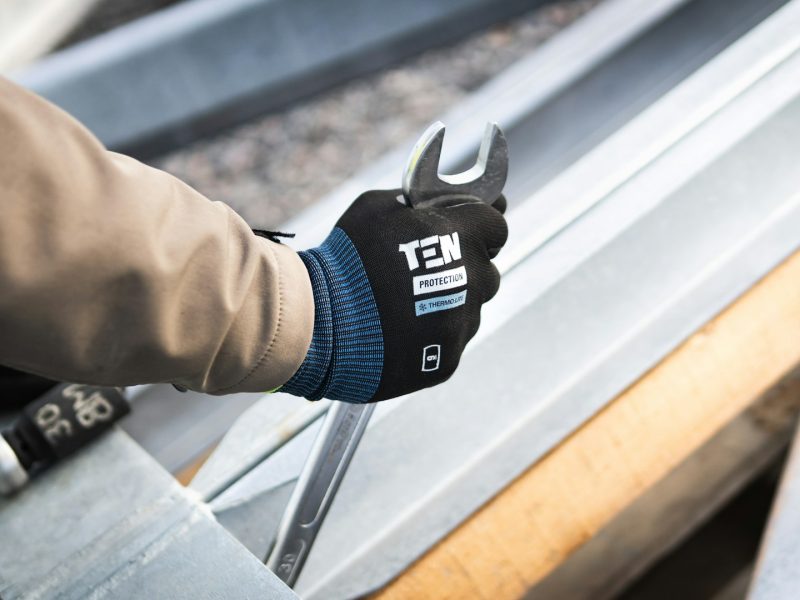
Home repairs and improvements are a natural part of homeownership. When something breaks or needs updating, many people ask themselves the same question: “Should I handle this myself, or should I call a professional?” While do-it-yourself (DIY) projects can save money upfront, there are clear differences between DIY and professional handyman work that every homeowner should understand.
This article explores those differences, explains when it makes sense to hire a handyman, and shows why professional work often provides long-term benefits that DIY cannot match.
Understanding DIY Work
DIY work refers to home repair or improvement tasks handled directly by the homeowner, without professional help. Popular DIY tasks include painting walls, assembling furniture, or replacing a faucet. These projects can be fun, cost-effective, and rewarding for those who enjoy hands-on work.
However, DIY has its limitations. Without the right skills or tools, homeowners may face safety risks, incomplete repairs, or even higher costs if mistakes require professional corrections later.
What Defines Professional Handyman Work?
Professional handyman work involves skilled tradespeople who handle a wide variety of repair and maintenance tasks. Unlike DIY, handymen bring training, experience, and professional-grade tools to each job.
Their expertise covers plumbing, electrical work, carpentry, painting, appliance installation, and safety upgrades. More importantly, professional work is typically insured, giving homeowners peace of mind that any mistakes or damages are covered.
Comparing DIY and Professional Handyman Work
1. Skill and Experience
- DIY: Relies on the homeowner’s knowledge, which may be limited to online tutorials or past experience.
- Professional Handyman Work: Backed by training, years of experience, and the ability to handle unexpected challenges.
2. Tools and Equipment
- DIY: Often limited to basic household tools.
- Professional: Equipped with specialised tools and materials that ensure high-quality, long-lasting results.
3. Time Investment
- DIY: Projects can take longer, especially if learning as you go.
- Professional: Jobs are completed efficiently, often in a fraction of the time.
4. Safety
- DIY: Increased risk of accidents, especially with electrical, plumbing, or structural tasks.
- Professional: Safety protocols and experience reduce the likelihood of injury or property damage.
5. Cost
- DIY: Lower upfront cost but higher risk of mistakes leading to costly repairs.
- Professional: Higher initial investment but often more cost-effective in the long run.
When DIY Makes Sense
There are many household tasks that can be safely and successfully handled without calling a handyman. Examples include:
- Painting a small room.
- Installing shelves or curtain rods.
- Replacing lightbulbs or basic fixtures.
- Assembling flat-pack furniture.
- Performing basic yard work or gardening.
These projects are low-risk and can help homeowners save money while gaining a sense of accomplishment.
When Professional Handyman Work is the Better Choice
Not all tasks are suitable for DIY. For safety, efficiency, and long-term value, some projects require professional expertise. Examples include:
- Electrical Repairs: Incorrect wiring can cause fires or serious injuries.
- Plumbing Jobs: A small mistake can lead to water damage or flooding.
- Structural Work: Wall removal, flooring, or roof repairs require specialised knowledge.
- Appliance Installation: Dishwashers, ovens, and washing machines need proper connections.
- Safety Upgrades: Installing grab bars, securing railings, or repairing stairs ensures tenant and homeowner safety.
In these cases, professional handyman work ensures the job is completed safely and effectively.
The Hidden Risks of DIY Projects
While DIY can save money, there are risks many homeowners overlook:
- Hidden Costs: Buying tools, materials, or replacement parts can add up.
- Injury: Lack of safety training increases the chance of accidents.
- Code Violations: Electrical and plumbing work may require permits or inspections.
- Reduced Property Value: Poorly executed work can make a home look unprofessional and even reduce its value.
These risks often outweigh the savings that DIY projects initially promise.
How Professional Handyman Work Adds Long-Term Value
Hiring a professional handyman is not just about fixing problems—it’s about protecting the property’s long-term value.
- Durability: Professional work lasts longer, reducing the need for frequent repairs.
- Aesthetic Appeal: Clean, well-done work improves the overall look of the home.
- Safety Compliance: Ensures all work meets local building codes and safety standards.
- Tenant Satisfaction: For rental properties, professional handyman work keeps tenants happy and encourages lease renewals.
Cost Considerations: DIY vs Professional
At first glance, DIY appears cheaper, but it can become more expensive over time. For instance:
- A DIY bathroom renovation may save money upfront, but improper sealing can lead to mould and costly water damage.
- DIY electrical work might seem affordable, but mistakes could require a professional to redo the project entirely.
Professional handyman services may cost more initially, but the investment protects the property and prevents future expenses.
Choosing the Right Professional Handyman
For homeowners considering professional handyman work, choosing the right provider is essential. Look for:
- Experience: A handyman with years of practice across different trades.
- Reviews: Positive feedback from past clients.
- Insurance: Coverage in case of damage or accidents.
- Transparency: Clear, upfront pricing with no hidden costs.
- Communication: Professionals who listen, explain options, and respect timelines.
By selecting a reliable handyman, homeowners can be confident that their investment is worthwhile.
How Handyman Services Complement DIY
DIY and professional handyman work don’t have to be mutually exclusive. Many homeowners enjoy handling small projects while leaving complex jobs to professionals.
This balance allows homeowners to save money, enjoy the satisfaction of DIY, and still benefit from the expertise of a professional when it matters most.
Real-Life Example: DIY vs Professional
Consider a homeowner who notices a dripping faucet.
- DIY Approach: They watch a video and attempt to replace the washer. If successful, the cost is minimal. If not, the leak may worsen.
- Professional Approach: A handyman quickly identifies the problem, fixes it properly, and inspects for other potential plumbing issues.
While both approaches can work, the professional method ensures reliability and peace of mind.
Final Thoughts
Both DIY projects and professional handyman work have their place in homeownership. DIY is suitable for small, simple tasks, while professional work is essential for complex, dangerous, or high-value projects.
Ultimately, investing in professional handyman work provides safety, efficiency, and long-term value that DIY often cannot guarantee.
For homeowners who want reliable, expert support, Task Pro delivers professional handyman services that protect property investments and keep homes in top shape.
Thinking about your next home repair or upgrade? Don’t leave it to chance. Contact Task Pro today and discover how professional handyman work can save you time, money, and stress—while ensuring your home gets the care it deserves.