
Plumbing problems can strike at the worst times — in the middle of the night, during a family gathering, or just before work. From burst pipes to overflowing toilets, the top plumbing emergencies in BC homes can cause stress, damage, and unexpected expenses. Understanding what causes these issues and how to prevent them can save homeowners time and money.
In British Columbia, where homes face unique weather and water system challenges, being proactive about plumbing maintenance is key. This article explores the most common plumbing emergencies, their causes, and practical ways to keep them from turning into disasters.
Burst Pipes
One of the most serious top plumbing emergencies in BC homes is a burst pipe. When water freezes inside pipes during the winter, it expands and can cause the pipe to rupture. Once it thaws, water floods the area, leading to costly damage.
How to Prevent Burst Pipes
- Insulate exposed pipes: Use foam pipe insulation, especially in basements, crawl spaces, and exterior walls.
- Keep indoor temperatures steady: Even when away from home, maintain a consistent temperature to prevent freezing.
- Shut off outdoor faucets: Disconnect and drain garden hoses before winter.
Regular inspections by professionals, like those at Home Service BC, can help detect early warning signs and protect your home from water damage.
Clogged Drains
Clogged drains are another common plumbing issue. They usually start small but can quickly escalate into an emergency if left untreated. Hair, grease, soap scum, and food particles often build up over time, blocking water flow.
How to Prevent Clogged Drains
- Avoid pouring grease or oil down the sink.
- Use drain strainers in bathroom and kitchen sinks.
- Flush drains regularly with hot water and vinegar to clear minor buildup.
If the clog persists, homeowners should avoid chemical cleaners and contact a licensed plumber through Home Service BC’s services page.
Overflowing Toilets
An overflowing toilet can cause panic and immediate water damage. It often happens due to blockages in the drain line, malfunctioning float mechanisms, or septic system issues.
How to Prevent Overflowing Toilets
- Avoid flushing anything other than toilet paper.
- Check toilet components like the flapper and fill valve regularly.
- Have septic tanks serviced every few years to prevent backups.
If an overflow occurs, turning off the water supply valve quickly can minimize damage until professional help arrives.
Leaking Faucets and Fixtures
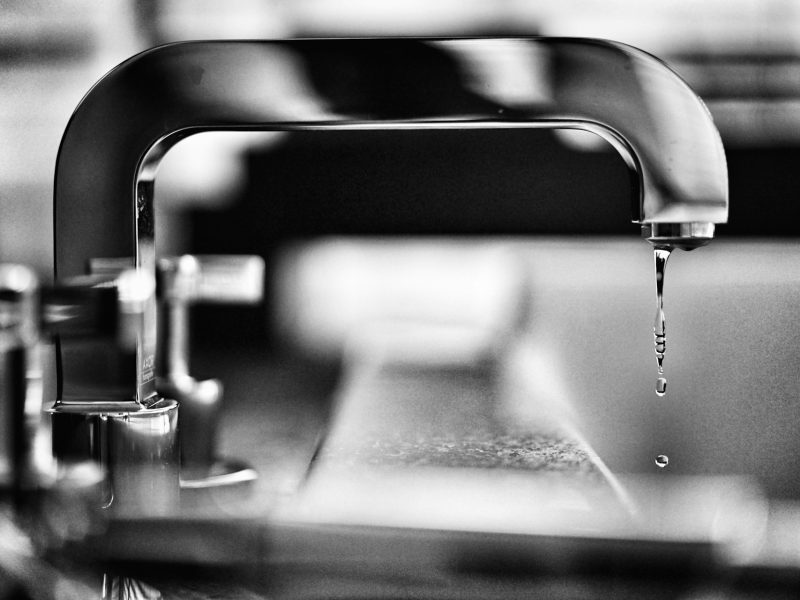
A slow drip may not seem urgent, but leaking faucets waste water and can indicate worn-out seals or damaged washers. Over time, this can lead to higher utility bills and water damage around sinks.
How to Prevent Leaks
- Inspect faucets and showerheads for drips every few months.
- Replace washers and O-rings at the first sign of wear.
- Schedule routine maintenance to check for internal corrosion.
Addressing leaks promptly can save both water and money, ensuring a more efficient plumbing system.
Water Heater Failures
Few things are as unpleasant as discovering there’s no hot water, especially during a cold BC morning. Water heater failures often result from sediment buildup, rust, or faulty heating elements.
How to Prevent Water Heater Failures
- Flush the tank once a year to remove sediment.
- Inspect for leaks or corrosion around the base.
- Set the thermostat to around 49°C (120°F) to avoid overheating.
Regular maintenance helps extend the lifespan of water heaters, improving energy efficiency and safety.
Sewer Line Backups
A sewer line backup is among the most serious top plumbing emergencies because it can cause raw sewage to enter your home. It’s often caused by tree root intrusion, pipe collapse, or heavy rainfall overloading the system.
How to Prevent Sewer Backups
- Avoid flushing wipes or non-degradable materials.
- Have the main sewer line inspected annually.
- Install a backflow valve to prevent sewage from re-entering the home.
Homeowners experiencing recurring drainage issues should consult a professional immediately to avoid health risks and expensive cleanup.
Low Water Pressure
Low water pressure can make daily tasks frustrating and might signal hidden plumbing problems such as pipe corrosion, mineral buildup, or leaks.
How to Prevent Low Water Pressure
- Clean faucet aerators regularly to remove sediment.
- Inspect for leaks around fixtures and under sinks.
- Replace old pipes made from corroded materials.
Maintaining good water pressure not only improves comfort but also prevents more significant plumbing complications down the road.
Running Toilets
A toilet that runs constantly can waste hundreds of litres of water each day. This usually happens when the flapper valve doesn’t seal properly or when the fill valve is malfunctioning.
How to Prevent Running Toilets
- Test your toilet regularly by adding food colouring to the tank — if colour appears in the bowl, there’s a leak.
- Replace damaged parts immediately.
- Schedule routine inspections to ensure optimal performance.
These small fixes can make a big difference in water conservation and utility costs.
Sump Pump Failures
Homes with basements in BC often rely on sump pumps to prevent flooding. When these pumps fail during heavy rain, water can quickly enter the basement, leading to structural damage and mould growth.
How to Prevent Sump Pump Failures
- Test your sump pump every few months by pouring water into the pit.
- Clean the pump and pit to remove debris.
- Install a backup power source for emergencies.
Routine testing ensures your sump pump works when you need it most.
Frozen Pipes
BC’s winter temperatures can cause water inside pipes to freeze, creating blockages or bursts. Frozen pipes are a top concern for homeowners during the colder months.
How to Prevent Frozen Pipes
- Let faucets drip slightly on extremely cold nights to relieve pressure.
- Open cabinet doors to allow warm air to circulate near pipes.
- Insulate vulnerable areas such as attics and crawl spaces.
These simple precautions can prevent costly water damage and stress during the winter season.
Leaking Water Lines
Leaks in the main water line can go unnoticed for a while, often causing a sudden spike in the water bill. These leaks are typically caused by aging pipes, ground shifts, or excessive water pressure.
How to Prevent Water Line Leaks
- Monitor your water bill for unusual increases.
- Check your yard for damp patches or pooling water.
- Have professionals inspect underground lines annually.
Detecting leaks early keeps repair costs down and protects your property from extensive damage.
Dishwasher and Washing Machine Leaks
Appliance leaks can lead to mould growth, water damage, and electrical hazards. Loose hoses or cracked seals are common culprits behind these plumbing emergencies.
How to Prevent Appliance Leaks
- Inspect hoses every six months for cracks or bulges.
- Tighten connections to prevent water seepage.
- Replace hoses every five years to maintain reliability.
Being proactive can prevent a small leak from turning into a costly mess.
Gas Line Leaks
Although not strictly water-related, gas leaks are plumbing emergencies that require immediate action. They pose serious safety risks and can lead to explosions or health issues if ignored.
How to Prevent Gas Line Leaks
- Install carbon monoxide detectors in key areas of your home.
- Schedule annual inspections of gas lines and appliances.
- Avoid DIY repairs — always call a licensed technician.
If you suspect a gas leak, leave the house immediately and contact emergency services.
Why Professional Help Matters
Even with careful maintenance, some plumbing emergencies are unavoidable. When major issues occur, it’s crucial to have a trusted service provider on call. Home Service BC connects homeowners to reliable experts across the province who can handle emergencies efficiently and safely.
Professional plumbers have the tools, experience, and knowledge to diagnose and resolve problems before they worsen. They also provide maintenance tips tailored to your home’s plumbing system.
Final Thoughts
From burst pipes to sewer backups, understanding the top plumbing emergencies in BC homes is the first step to preventing them. Regular maintenance, timely repairs, and professional inspections are the best defences against unexpected disasters.
Homeowners who take proactive measures will save money, protect their property, and maintain a healthy living environment. For trusted plumbing services and expert advice, visit Home Service BC — your go-to partner for all things home maintenance.
Don’t wait until a plumbing issue becomes an emergency. Visit Home Service BC today to connect with skilled professionals who can help keep your home safe, efficient, and stress-free all year round.