
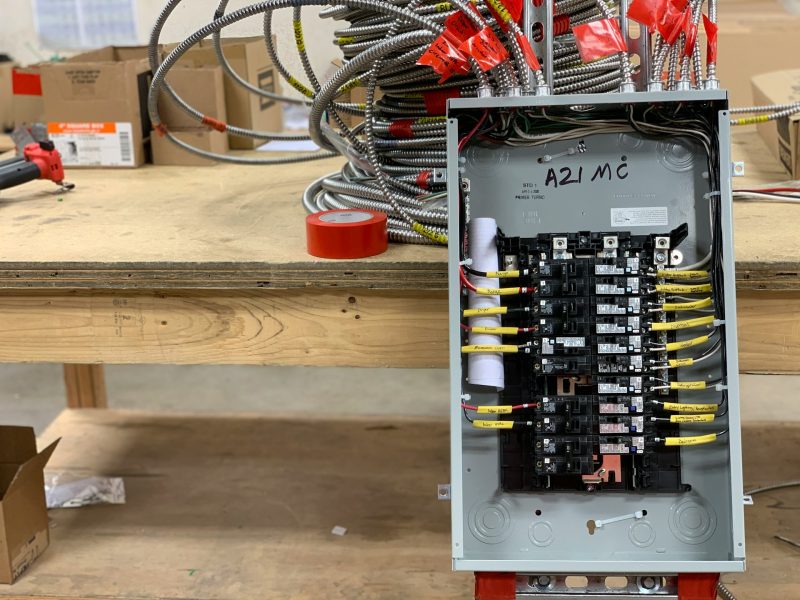
Your electrical panel is the heart of your home’s power system. It distributes electricity to all circuits and ensures appliances, lighting, and devices operate safely. However, as homes in British Columbia become more energy-demanding—with advanced appliances, electric vehicles, and modern HVAC systems—many older electrical panels can no longer keep up.
Knowing when to upgrade your electrical panel can protect your home from power issues, reduce fire risks, and improve energy efficiency. This guide will help you identify the signs it’s time for an upgrade and the benefits of investing in a modern electrical system.
What Does an Electrical Panel Do?
The electrical panel, often called the breaker box, controls how power flows throughout your home. It contains circuit breakers that shut off electricity in case of overloads or faults, preventing electrical fires.
In older homes, panels may use fuses instead of breakers, which are less efficient and more prone to failure. Upgrading to a modern circuit breaker system ensures smoother power distribution and better protection against surges or short circuits.
Signs You Need to Upgrade Your Electrical Panel
1. Frequent Circuit Breaker Trips
If your breakers trip regularly, it could mean your electrical system can’t handle your household’s energy demands. Modern appliances, especially high-wattage ones like microwaves and dryers, require more power than older panels can provide.
2. Flickering or Dimming Lights
Lights that flicker when using large appliances indicate your panel is overloaded. It’s struggling to distribute power efficiently.
3. Outdated Fuse Box
Homes built before the 1980s often still have fuse boxes. While functional, they lack modern safety features and aren’t designed for today’s energy needs.
4. Burning Smells or Warm Panels
A burning odour or excessive heat near your electrical panel is a serious warning sign. It may indicate faulty wiring, corrosion, or an overloaded system that needs immediate attention.
5. You’ve Added New Appliances or Systems
Installing energy-intensive appliances, electric vehicle chargers, or central air conditioning increases your home’s electrical demand. Without an upgraded panel, your system might not handle the load safely.
6. Home Renovations or Expansions
If you’re remodelling or adding rooms, you’ll likely need more circuits and amperage. Upgrading your panel ensures your electrical capacity matches your new home layout.
The Benefits of Upgrading Your Electrical Panel
Upgrading your electrical panel offers several long-term benefits that improve safety, functionality, and value.
Improved Safety
A modern electrical panel reduces the risk of electrical fires, shocks, and power surges. New breakers are designed with better protection mechanisms that instantly cut power during overloads.
Increased Home Value
Homebuyers appreciate updated electrical systems. A new panel signals safety and readiness for modern appliances, adding to your property’s resale value.
Enhanced Energy Efficiency
Modern panels ensure steady, efficient power distribution. With less wasted energy, your home operates more efficiently, lowering utility costs.
Compatibility with Smart Technology
New panels can support smart home devices, electric vehicle charging stations, and solar energy systems—technologies that older panels can’t handle safely.
How to Know What Size Panel You Need
Electrical panels are typically rated by amperage—the amount of electricity they can safely handle.
- 60-amp panels: Common in older homes; not suitable for modern appliances.
- 100-amp panels: Minimum requirement for most homes today.
- 150-200-amp panels: Standard for modern homes; supports large appliances and future upgrades.
If your home still uses a 60- or 100-amp panel, upgrading to a 200-amp system ensures long-term safety and flexibility.
The Upgrade Process: What to Expect
Step 1: Professional Assessment
A licensed electrician will evaluate your existing panel, wiring, and power usage. They’ll determine the right panel size for your household’s energy needs.
Step 2: Power Shutdown and Installation
Your home’s electricity will be temporarily shut off while the old panel is removed. The new breaker panel is then installed, wired, and grounded according to code.
Step 3: Inspection and Testing
After installation, your electrician will test all circuits to ensure everything functions safely. Most municipalities in BC require an inspection to approve the upgrade.
Upgrading your panel is not a DIY project—it must be performed by a licensed professional to meet safety and local electrical code requirements.
Costs of Electrical Panel Upgrades in BC
The cost of upgrading your electrical panel varies depending on your home’s size and electrical setup. On average:
- 100-amp to 200-amp upgrade: $2,000–$4,000
- Fuse box to breaker panel: $1,500–$3,000
- Full rewiring (if needed): $5,000+
While the investment may seem significant, the long-term safety, energy efficiency, and property value improvements make it worthwhile.
Preventative Maintenance After Upgrading
Even with a new panel, maintenance is essential to keep your system running smoothly.
- Schedule regular inspections every 2–3 years.
- Avoid overloading outlets or using multiple high-wattage appliances on the same circuit.
- Keep the area around your panel dry, clean, and accessible.
- Label each circuit for easy identification.
Professional maintenance services, such as those offered by Home Services BC, help ensure your electrical system stays safe and efficient.
When to Call a Professional
Contact a professional electrician immediately if you notice:
- Burning smells or visible scorch marks on the panel.
- Breakers that won’t reset.
- Buzzing or crackling sounds.
- Flickering lights even after resetting breakers.
Electrical issues can escalate quickly. It’s always safer to call certified experts from Home Services BC’s services page for a thorough inspection and repair.
Why Upgrading Is an Investment in Safety
Electrical fires remain one of the leading causes of home damage in Canada, often caused by outdated panels or faulty wiring. Upgrading ensures your home complies with modern electrical codes and provides peace of mind for you and your family.
Beyond safety, a new panel supports energy-efficient living and future technology upgrades—key aspects of sustainable home design in British Columbia.
Final Thoughts
Knowing when to upgrade your electrical panel is key to maintaining a safe, efficient, and future-ready home. Whether you’ve noticed flickering lights, tripping breakers, or are planning major renovations, upgrading your panel ensures your home meets modern power demands.
For professional electrical inspections and upgrades, Home Services BC provides reliable, certified experts who prioritise safety, quality, and long-term performance—keeping your home powered and protected for years to come.
FAQ
How often should an electrical panel be replaced?
Electrical panels typically last 25 to 40 years. Replace sooner if you notice frequent tripping or signs of damage.
Can I upgrade my electrical panel myself?
No. Electrical panel upgrades must be performed by a licensed electrician to ensure compliance and safety.
Does a new panel reduce electricity bills?
While it doesn’t directly reduce usage, an upgraded panel improves efficiency and prevents wasted energy.
Is a 100-amp panel enough for my home?
A 100-amp panel is the minimum for most homes, but modern households often need 150–200 amps for new appliances and systems.
Will upgrading my electrical panel increase home value?
Yes, a modern electrical system makes your home safer and more appealing to buyers.
Home Services BC — delivering trusted electrical upgrades and expert home improvement services across British Columbia.