
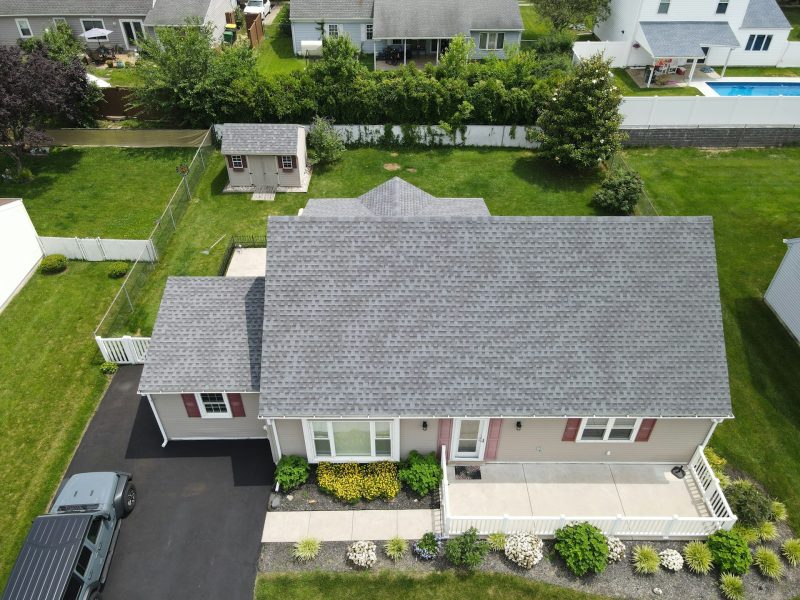
For homeowners in British Columbia, the roof is more than just a cover; it is the primary shield against the province’s demanding climate. From heavy, persistent rainfall along the coast to snow loads in the mountains and intense summer heat inland, a roof is constantly under stress. This constant exposure makes regular, professional roof inspection services not merely an option but an absolute necessity for protecting a home. A thorough inspection is the single best preventative measure against expensive, unforeseen damage.
Many homeowners only think about their roof when a leak appears, but by then, the problem has usually become severe and costly to fix. Proactive roof inspections help uncover minor issues before they escalate into major structural disasters, saving time, money, and stress. Understanding the specific threats posed by the BC environment shows exactly why this annual assessment is critical for all residential properties.
The BC Climate’s Toll: Why Annual Roof Inspections Are Critical
The diverse weather patterns across British Columbia place unique demands on roofing materials. Unlike drier regions, BC homes face an unrelenting combination of moisture, temperature swings, and wind that can quickly degrade even the highest quality roofing system. A small crack or compromised seal can allow water penetration that goes unnoticed for months or even years.
The province’s geography means that homes face different elemental battles, whether it is the heavy coastal humidity or the freeze-thaw cycles of the Interior. Each climate zone presents its own challenge that an experienced inspector knows how to recognize. Ignoring these natural forces is the quickest way to significantly shorten a roof’s expected lifespan.
The Unseen Enemy: Moisture and Moss
Moisture is the single biggest threat to any roof in British Columbia. Consistent rain and high humidity create a perfect breeding ground for moss, algae, and lichens, especially on asphalt shingles and older roofing materials. These growths hold moisture against the roof surface, preventing it from drying out properly.
Over time, this retained moisture can infiltrate the material, causing granules to shed and shingles to lift or curl. These bio-growths can also physically lift the edges of the shingles, allowing wind-driven rain to penetrate the layers beneath. A routine roof inspection identifies these early signs of biological growth and recommends appropriate, preventative treatments before deep damage occurs.
Wind, Hail, and Temperature Stress
Beyond moisture, BC homeowners must contend with severe windstorms, particularly during the autumn and winter months. Strong gusts can easily lift loose or aged shingles, tear flashing away from chimneys and vents, and expose the underlying structure. Even a small amount of missing material can compromise the roof’s entire protective envelope.
Furthermore, the alternating heat and cold cycles of the year cause roofing materials to expand and contract repeatedly. This constant movement eventually stresses seams, fasteners, and sealants, creating microscopic gaps that allow water intrusion. A professional roof inspection is trained to spot these telltale signs of material fatigue and address them before a failure occurs.
Catching Problems Early: The Value of a Professional Roof Inspection
The primary benefit of a regular roof inspection lies in the principle of prevention. Finding a $50 problem today is always better than facing a $5,000 problem six months from now. A professional assessment provides a detailed, objective report on the current condition of the roof, giving the homeowner a clear action plan.
An inspector looks beyond the obvious missing shingle, focusing on the small, critical components that are often overlooked by the untrained eye. These detailed checks are essential because even the best roofing materials rely on secondary seals and careful installation to function correctly. This early detection capability transforms a minor maintenance task into a crucial investment for the home’s health.
Identifying Hidden Water Damage
One of the most destructive outcomes of an overlooked roof issue is hidden water damage to the decking and attic structure. Water can seep in through a pinhole, travel along a beam, and then begin rotting the wood beneath the roofline, long before a visible ceiling stain appears inside the house. This hidden rot compromises the structural integrity of the home.
A thorough roof inspection includes checking the attic space for signs of water ingress, such as darkened wood, mould, or damp insulation. By identifying the entry point from above and the resulting damage below, an inspector can provide the precise location for necessary repairs. This expert analysis is invaluable for keeping the main structural components of the home dry and sound. The professional team at a trusted provider understands the commitment required for this type of long-term project and offers a wide array of excellent options. They can help you explore all of your choices at https://homeservicebc.ca/.
Assessing Wear and Tear on Materials
Different roofing components wear out at different rates, and an inspection addresses all of them. Flashing, the metal material used to waterproof joints around chimneys, vents, and valleys, is a common failure point that requires frequent attention. If the seals around pipe penetrations begin to dry out and crack, they immediately become vulnerable spots for leaks.
- Shingles: Inspectors look for brittle, curled, or missing shingles and note the degree of granule loss.
- Vents and Skylights: They check the sealant integrity and look for damage to the plastic or metal components.
- Gutters: Blockages can cause water to back up under the roofline, so gutters are checked for proper flow and attachment.
Extending the Lifespan of Your Roof
Routine maintenance, guided by a comprehensive roof inspection, is the key to maximizing the life expectancy of the roofing system. By performing minor repairs—like resealing flashing, replacing a handful of damaged shingles, or clearing moss—the homeowner stops degradation in its tracks. These small, low-cost interventions prevent the need for a major, premature replacement.
The investment in an annual inspection pays off by ensuring that the roof reaches its intended lifespan, whether it is a 25-year asphalt shingle system or a 50-year metal roof. Simply put, regular checks translate directly into years added onto the life of the covering. This is a critical consideration for budgeting and long-term home investment planning.
Financial Security: Insurance and Warranty Requirements
A professional roof inspection does more than just assess physical damage; it plays a crucial role in maintaining the financial and legal safeguards tied to your home. Insurance companies and roofing manufacturers often have specific requirements regarding the upkeep of the roof, and documented inspections provide the necessary proof of due diligence. Failing to meet these requirements can lead to denied claims or voided warranties down the road.
Homeowners in BC often live with the threat of natural events like windstorms or heavy snow. When damage occurs, having an official, recent inspection report documenting the roof’s good condition prior to the event is essential for a smooth and successful insurance claim process. This documentation proves the damage was caused by the event, not by long-term neglect.
Maintaining Manufacturer Warranties
Many high-quality roofing materials come with impressive manufacturer warranties that promise protection for decades. However, almost all of these warranties require proof that the roof has been maintained correctly and inspected on a regular basis. Warranties can easily be voided if the manufacturer determines that a roof failure resulted from poor maintenance rather than a material defect.
The report provided after a professional roof inspection serves as the verifiable proof needed to keep the warranty valid. This simple step protects the homeowner’s investment and ensures they can rely on the warranty should a material or installation defect emerge. Protecting the warranty is the smart way to protect the thousands spent on the initial roof installation.
Boosting Home Resale Value
When a homeowner decides to sell their property, the condition of the roof is one of the first things a prospective buyer or home inspector will examine. A clean, well-maintained roof, backed by a recent, positive roof inspection report, is a major asset during negotiations. It signals to the buyer that the home has been meticulously cared for and that they will not face a major expense immediately after moving in.
Conversely, a roof showing signs of advanced wear or a lack of maintenance can significantly detract from the home’s value and lead to requests for large repair credits. Investing a small amount in annual inspections and minor repairs can yield a much larger return when the time comes to sell. A full list of professional services can be found here.
Beyond the Surface: What Happens During a Roof Inspection
A comprehensive roof inspection involves much more than simply standing on a ladder and glancing at the shingles. It is a multi-step process conducted by a trained professional who uses their knowledge to identify subtle signs of potential failure. The best inspections cover both the exterior and interior components of the roofing system.
Inspectors use checklists and specialized tools to meticulously assess every component that contributes to the roof’s performance. They know exactly where to look for common failure points, such as where different materials meet or where water is designed to shed quickly. The resulting report provides the homeowner with both a diagnosis of current issues and recommendations for future maintenance.
Key areas a professional inspection covers include:
- Roof Surface Condition: Checking shingles or panels for cracking, warping, blistering, or impact damage.
- Flashing and Seals: Ensuring metal flashing around chimneys, skylights, and valleys is securely sealed and undamaged.
- Gutters and Drainage: Verifying that gutters are securely attached, free of debris, and allowing proper water flow away from the structure.
- Vents and Penetrations: Inspecting the seals around plumbing vents, exhaust fans, and satellite dishes, which are common leak sources.
- Interior and Attic Assessment: Looking for signs of moisture, inadequate ventilation, and structural issues from within the attic space.
Final Thoughts
The unique challenges presented by the British Columbia climate make regular roof inspection a non-negotiable part of responsible homeownership. From preventing the costly water damage caused by persistent rain and snow to protecting the investment secured by your warranty and insurance policy, the benefits are clear. An inspection is a proactive, low-cost measure that decisively stops small problems from becoming budget-breaking catastrophes.
Taking the time for an annual roof inspection is the most prudent action a homeowner can take to maximize the lifespan of their roof and maintain the structural integrity of their entire property. Do not wait for a leak or a stain to alert you to a problem that has been developing for years. Home Service BC provides comprehensive, detailed roof inspections performed by certified professionals who specialize in the unique demands of the BC environment, ensuring your home remains secure, dry, and valuable.
Is your roof ready for another BC winter? Do not leave the safety and integrity of your home to chance. Schedule your professional roof inspection today to gain complete peace of mind, safeguard your home’s value, and ensure your roof is prepared for anything the West Coast weather throws its way.