
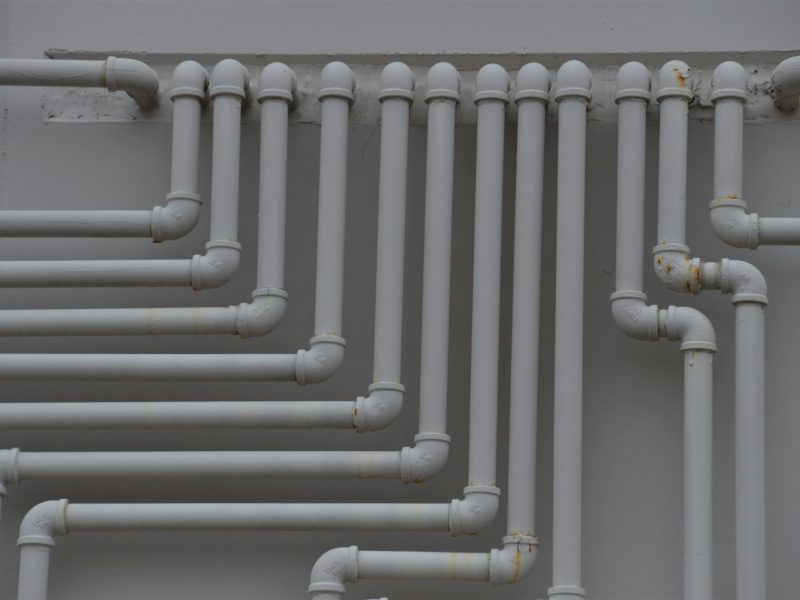
When businesses move into a new space, one of the most important considerations is the plumbing system. From restaurants and retail shops to offices and clinics, every type of business has unique plumbing needs. Plumbing for commercial tenant improvements ensures these spaces meet building codes, provide reliable service, and create a comfortable environment for staff and customers.
Whether renovating an existing unit or customizing a brand-new build, understanding the role of plumbing in tenant improvements is key to a successful project.
Why Plumbing Matters in Commercial Tenant Improvements
Plumbing is more than a hidden system behind walls. It directly impacts daily operations, customer experience, and compliance with local regulations.
Key reasons plumbing is critical:
- Ensures reliable water supply and drainage
- Supports specialized equipment (kitchens, medical facilities, salons)
- Meets health and safety codes
- Prevents costly disruptions from leaks or failures
- Enhances efficiency and sustainability
Ignoring plumbing during tenant improvements can result in delays, failed inspections, or expensive rework.
Understanding Commercial Tenant Improvements
Commercial tenant improvements (often called leasehold improvements) are modifications made to rented spaces to suit a tenant’s business operations. These may include structural changes, electrical upgrades, or plumbing installations.
Plumbing is often one of the largest components, especially for:
- Restaurants and cafés requiring kitchen sinks, dishwashers, and grease traps
- Medical and dental clinics needing sterilization sinks and specialty fixtures
- Salons and spas requiring multiple wash stations
- Retail stores installing employee washrooms or customer facilities
- Offices upgrading restrooms for accessibility and efficiency
Common Plumbing Needs for Businesses
Plumbing requirements vary depending on the type of business, but some needs are universal.
1. Restrooms
Every commercial space requires restrooms that comply with local building codes and accessibility standards. This often includes a set number of toilets and sinks based on occupancy.
2. Kitchens and Food Prep Areas
Restaurants, cafés, and bars need specialized plumbing, including:
- Multiple sinks (handwashing, prep, dishwashing)
- Commercial dishwashers
- Grease interceptors to prevent blockages
- High-capacity hot water heaters
3. Specialty Fixtures
Medical and dental offices may need sterilization sinks, eyewash stations, or special drainage systems. Salons often require shampoo bowls and extra hot water capacity.
4. Drainage Systems
Commercial spaces must handle heavy usage, meaning larger or reinforced drainage systems are often required.
5. Backflow Prevention
Businesses must protect drinking water with backflow prevention devices, especially in spaces with irrigation, chemical use, or medical equipment.
Plumbing Code Requirements
All commercial tenant improvements must comply with local plumbing codes. In British Columbia and across Canada, this means following the National Plumbing Code of Canada (NPC) as well as municipal bylaws.
Requirements typically cover:
- Approved pipe materials (copper, PEX, ABS, PVC)
- Fixture counts and placement based on occupancy
- Accessibility requirements (universal washrooms, grab bars)
- Grease trap installation for food-service businesses
- Backflow prevention devices
- Proper venting for drainage systems
Failing to meet these requirements can delay occupancy permits and expose businesses to fines.
The Role of Professional Plumbers in Tenant Improvements
Commercial plumbing is complex and requires expertise. Professional plumbers ensure systems are designed, installed, and inspected properly.
Benefits of hiring professionals include:
- Accurate assessment of plumbing needs
- Customized solutions for different industries
- Compliance with codes and bylaws
- Coordination with architects and contractors
- Efficient installation to minimize project delays
Planning Plumbing for Tenant Improvements
Proper planning is critical to avoid setbacks. Businesses should work closely with plumbers early in the process to ensure plumbing needs are accounted for in the design stage.
Planning steps include:
- Assess business needs – Identify required fixtures, appliances, and equipment.
- Evaluate existing plumbing – Determine whether current systems can handle new demands.
- Design the layout – Plan fixture placement, pipe routing, and drainage systems.
- Budget accurately – Factor in installation, materials, permits, and inspections.
- Schedule work efficiently – Align plumbing installation with other renovations to avoid delays.
Cost of Commercial Tenant Plumbing
The cost of plumbing for tenant improvements varies widely depending on business type and space size.
- Basic restroom upgrades: $5,000–$15,000
- Restaurant plumbing installations: $30,000–$100,000+
- Medical or dental clinic setups: $40,000–$150,000
- Salon or spa plumbing: $15,000–$40,000
While these numbers may seem high, they reflect the specialized requirements and strict compliance standards of commercial spaces.
Avoiding Common Mistakes in Tenant Improvements
Many businesses underestimate the complexity of plumbing projects. Common mistakes include:
- Failing to involve plumbers early in the design process
- Ignoring code requirements or assuming residential plumbing standards apply
- Underestimating hot water demand
- Overlooking drainage needs in kitchens or wash stations
- Choosing low-quality fixtures that don’t withstand commercial use
Avoiding these pitfalls ensures smooth inspections and long-term reliability.
Sustainable Plumbing for Commercial Use
Today’s businesses increasingly value sustainability, and plumbing is a key area for improvement.
Eco-friendly options include:
- Low-flow toilets and faucets
- Water-efficient dishwashers and appliances
- On-demand (tankless) water heaters
- Greywater recycling systems (where permitted)
- Leak detection systems to prevent water waste
Sustainable plumbing not only reduces environmental impact but also lowers utility bills—an attractive benefit for businesses.
Preventative Maintenance for Commercial Spaces
Once plumbing systems are installed, ongoing maintenance is critical. Property managers and business owners should schedule regular inspections to avoid disruptions.
Maintenance should include:
- Checking pipes and fixtures for leaks
- Cleaning and inspecting drains
- Servicing water heaters and boilers
- Testing backflow prevention devices
- Flushing grease traps in food establishments
Preventative maintenance reduces emergency calls, saving businesses time and money.
Final Thoughts
Plumbing for commercial tenant improvements is more than a necessity—it’s a foundation for business success. Whether upgrading restrooms, installing specialty fixtures, or designing a commercial kitchen, proper plumbing ensures compliance, efficiency, and customer satisfaction.
With the expertise of professionals like Paton Plumbing Worx, businesses can move into their new spaces with confidence. Their team provides reliable design, installation, and maintenance tailored to each industry’s unique needs.
Planning a commercial tenant improvement? Don’t let plumbing delays derail your project. Contact Paton Plumbing Worx today for expert plumbing solutions that keep your business running smoothly from day one.