
Older homes in British Columbia are full of charm and history, but they often come with outdated electrical systems. Faulty wiring can lead to serious safety risks like electrical fires, shocks, and appliance damage. Knowing what to look for can help you take quick action and protect your property.
Flickering or Dimming Lights
If your lights flicker or dim regularly—especially when using multiple appliances—it’s likely a sign of faulty wiring. This issue often points to overloaded circuits or loose connections that need immediate attention.
Frequently Tripped Breakers
Older homes weren’t designed to handle today’s electrical demands. If your circuit breakers trip often, it means your system is overloaded or there’s a short circuit somewhere. While resetting the breaker might fix it temporarily, recurring trips signal a deeper wiring issue.
Burning Smells or Discoloured Outlets
A burning smell near outlets or switches is a serious warning sign. It often indicates melting insulation or sparking behind the walls. Similarly, discoloured or scorched outlets should be replaced immediately to avoid electrical fires.
Buzzing Sounds from Ouets
Electricity should never make noise. If you hear buzzing or crackling sounds, it could mean loose wiring or faulty connections. This is especially dangerous because it might lead to electrical arcing—a major fire hazard.
Outdated Wiring Materials
Many older BC homes still use aluminium or knob-and-tube wiring. These systems aren’t equipped for modern power needs and are prone to overheating. If your home still relies on them, it’s time for an upgrade to safer copper wiring.
Warm or Vibrating Wall Plates
Light switches and outlets should always feel cool to the touch. If they’re warm, vibrating, or producing small shocks, it’s a clear sign of excessive current or damaged wiring that needs professional repair.
Lack of Grounded Outlets
Homes built before the 1960s often lack proper grounding. Ungrounded outlets can’t safely redirect electrical surges, increasing the risk of electric shock. A licensed electrician can retrofit your home with grounded circuits for better safety.
Flickering Appliances or Unexplained Power Loss
Appliances that lose power or act erratically might not be broken—they could be victims of inconsistent voltage. Faulty wiring or corroded connections can cause power drops that damage electronics over time.
Burning Odour After Using Devices
If you notice a burning odour after plugging in or using an appliance, unplug it right away. The issue might not be the device itself but a wiring problem behind the wall. Contact an electrician immediately to inspect it.
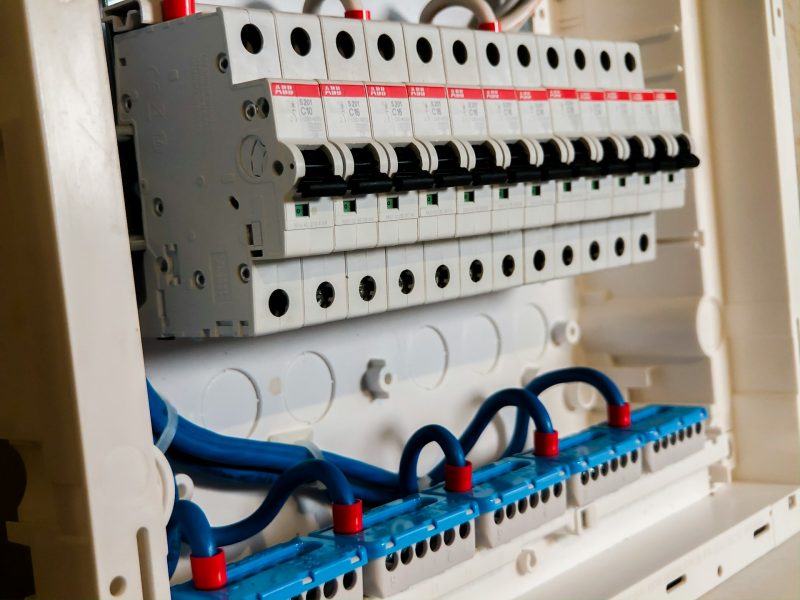
Overheating Electrical Panel
An electrical panel that feels hot or emits a burning smell should never be ignored. This could indicate an overloaded system or loose connections that need urgent repair to prevent fire hazards.
Why Faulty Wiring Is Dangerous
Faulty wiring can cause electric shocks, property damage, or even house fires. According to BC safety reports, many residential fires start due to neglected electrical systems. Early detection and professional maintenance are the best defences.
How to Prevent Electrical Problems
- Schedule annual inspections by a certified electrician.
- Avoid overloading power strips and outlets.
- Replace damaged cords and outdated wiring.
- Upgrade to modern panels and grounded outlets.
- Install smoke detectors near electrical panels.
When to Call a Professional
If you experience any of the above warning signs, don’t attempt DIY electrical work. Contact a certified electrician in Vancouver or nearby areas to inspect your system. Electrical issues can escalate quickly, so acting early can save your home and safety.
Final Thoughts
Faulty wiring in older homes is more than just an inconvenience—it’s a potential hazard. From flickering lights to burning smells, these signs should never be ignored. For expert inspections, rewiring, and electrical upgrades, contact Home Services BC. Our licensed professionals ensure your home stays safe, efficient, and up to code.
FAQ
How often should I have my wiring inspected?
At least once every five years, or more frequently if you live in an older home.
Can I fix wiring issues myself?
It’s not recommended. Electrical repairs should only be done by licensed professionals to ensure safety.
What is the cost to rewire an older home in BC?
Costs vary by home size and wiring type, but homeowners typically spend between $8,000 and $15,000 for a full rewire.
Is knob-and-tube wiring still safe?
No. It’s outdated and poses significant fire risks. Upgrading to modern copper wiring is the safest choice.
5. Will upgrading my wiring improve energy efficiency?
Yes. Modern wiring ensures stable voltage and reduces wasted energy, which can lower your utility bills over time.