
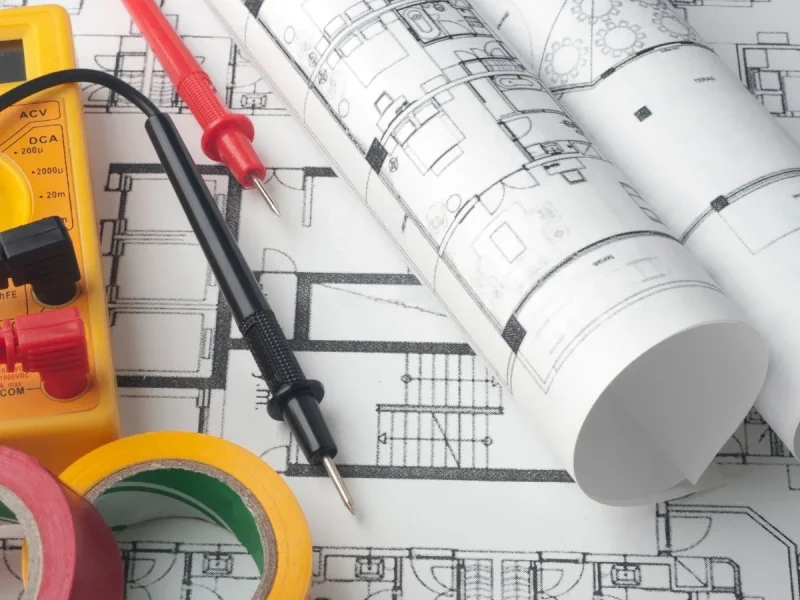
Building a custom home is one of the most exciting projects a homeowner can undertake. Unlike purchasing an existing property, a custom build gives you complete control over how your home looks, functions, and supports your lifestyle. Homeowners can choose everything from floor plans and finishes to energy systems and smart home features. However, one area that often receives less attention than kitchens and bathrooms is electrical planning. Working with an experienced custom home electrician in BC during the early stages of construction can help ensure your dream home is as functional as it is beautiful.
The Best Electrical Decisions Happen Before Construction Begins
One of the biggest advantages of building a custom home is the opportunity to plan ahead. Once drywall is installed and finishes are completed, making electrical changes becomes significantly more difficult and expensive. This is why electrical planning should begin long before construction reaches the framing stage.
Many homeowners focus heavily on visible design elements while overlooking how they will actually live in the home. Questions such as where devices will be charged, where home offices will be located, and how outdoor spaces will be used should be discussed early. These conversations help ensure the electrical design supports the homeowner’s daily routines rather than forcing compromises later.
A qualified custom home electrician in BC can identify opportunities that homeowners may not have considered. Their experience helps bridge the gap between architectural plans and real-world functionality, creating a home that works as well as it looks.
Designing for the Way You Actually Live
No two families use their homes in exactly the same way. A retired couple may prioritize outdoor living spaces and home entertainment areas. A growing family may need flexible workspaces, charging stations, and future basement suite capacity. Entrepreneurs working from home may require dedicated office circuits and advanced networking infrastructure.
Electrical planning should reflect these lifestyle differences. Rather than simply meeting minimum code requirements, a custom home’s electrical system should support how the occupants intend to use the space every day. This often means thinking beyond standard outlet placement and lighting layouts.
Homeowners should consider:
- Home office requirements
- Future family growth
- Entertainment systems
- Outdoor living spaces
- Home gym equipment
- Workshop needs
- Charging stations for devices and vehicles
The more accurately the electrical plan reflects daily life, the more functional the finished home will be.
Planning for More Than Just Lights and Outlets
When many homeowners think about electrical planning, they imagine light switches and wall outlets. While these components remain important, modern homes require far more sophisticated infrastructure.
Today’s homes often include integrated security systems, smart home controls, automated window coverings, high-speed networking, audio systems, surveillance cameras, and energy management technologies. These systems all require thoughtful planning during construction.
Failing to account for these features early can limit future flexibility. Homeowners who anticipate future needs can often avoid expensive retrofits by installing the necessary infrastructure while the home is being built. Even if certain technologies are not installed immediately, preparing for them can save considerable time and money later.
The Rise of Electric Vehicles Is Changing Home Design
Electric vehicle ownership is growing rapidly throughout British Columbia. As a result, EV charging is becoming an increasingly important consideration during custom home construction. Installing charging infrastructure during the building process is generally easier and more cost-effective than adding it later. Even homeowners who do not currently own an electric vehicle may want to prepare for future adoption.
A custom home electrician in BC can help determine:
- Ideal charger locations
- Electrical capacity requirements
- Future expansion opportunities
- Electrical panel sizing
- Integration with energy management systems
Preparing for EV ownership today can help ensure the home remains functional and attractive for years to come.
Why Lighting Design Deserves More Attention
Lighting is one of the most influential elements in any home, yet it is often treated as a finishing detail rather than a core design component. Good lighting affects comfort, productivity, aesthetics, and overall quality of life.
A custom home offers the opportunity to create layered lighting plans that support different activities throughout the day. Task lighting, ambient lighting, accent lighting, and exterior lighting can all work together to create a more comfortable and visually appealing environment.
Thoughtful lighting design can highlight architectural features, improve functionality, and create a stronger connection between indoor and outdoor spaces. Working with electrical professionals during the design phase allows homeowners to maximize these opportunities.
Building for Future Technology
Technology changes quickly. Features that seem advanced today may become standard within a few years. One of the advantages of custom construction is the ability to future-proof the home by planning for technologies that may not yet be needed.
Homeowners are increasingly preparing for:
- Smart home automation
- Battery storage systems
- Solar energy integration
- Advanced security systems
- Energy monitoring platforms
- Electric vehicle expansion
- High-speed connectivity upgrades
The goal is not necessarily to install every available technology immediately. Instead, it is to create the infrastructure that allows future upgrades to occur easily when the time is right.
Don’t Forget About Outdoor Electrical Planning
Outdoor spaces are becoming a larger part of custom home design. Patios, outdoor kitchens, entertainment areas, hot tubs, landscape lighting, and backyard workspaces all require electrical planning.
Unfortunately, outdoor electrical needs are often underestimated during the design process. Homeowners may focus on interior spaces only to discover later that exterior outlets, lighting circuits, and entertainment infrastructure are limited.
Planning ahead allows outdoor areas to evolve alongside the rest of the property. This approach helps create a more functional and enjoyable living environment while reducing the need for future modifications.
A Common Mistake Custom Homeowners Make
One of the most common mistakes homeowners make during custom construction is planning only for today’s needs. While current requirements are important, homes often last for decades and should be capable of adapting as lifestyles evolve.
A young family may eventually add electric vehicles, home offices, or secondary living spaces. A homeowner approaching retirement may want additional automation and energy-efficient systems. Children who currently share devices may eventually require dedicated workstations and charging areas. The most successful custom homes are designed with flexibility in mind. Electrical planning should create opportunities for future growth rather than limiting what the home can support.
What Experienced Electricians Recommend Before Finalizing Plans
Before approving final electrical drawings, many experienced electricians encourage homeowners to walk through their future home mentally. Imagine waking up in the morning, preparing meals, working, relaxing, entertaining guests, and using outdoor spaces.
This exercise often reveals opportunities that are not obvious when reviewing blueprints. Homeowners may realize they need additional outlets, improved lighting, dedicated circuits, or future technology infrastructure. Small adjustments made during planning can have a significant impact on daily convenience.
Professionals such as Castle Electric often encourage homeowners to think beyond the first year of occupancy and consider how their needs may evolve over the next decade. This perspective helps create homes that remain functional and enjoyable long after construction is complete.
A Local Perspective on Custom Home Electrical Planning
Throughout Vancouver, Burnaby, Coquitlam, Port Moody, and the Fraser Valley, electrical professionals are seeing homeowners place greater emphasis on future-ready design. Many custom home projects now include dedicated EV charging infrastructure, enhanced networking systems, outdoor entertainment wiring, smart home capabilities, and expanded electrical capacity from the outset.
The team at Castle Electric has worked with homeowners who wanted their homes prepared for technologies they may not install for several years. By incorporating additional conduit pathways, larger electrical panels, and flexible wiring solutions during construction, homeowners gain the ability to upgrade more easily in the future. This proactive approach often costs far less than making significant changes after the home is complete.
Homeowners interested in learning more about residential construction, service upgrades, and electrical planning can explore Castle Electric’s complete range of electrical services. Their experience with custom homes allows them to help homeowners balance current priorities with long-term flexibility.
Homeowners Building Custom Homes
Building a custom home involves coordinating multiple trades and making hundreds of decisions. Homeowners can explore a variety of trusted home services through Home Services BC to help support their project from start to finish.
We also encourage homeowners to listen to the Home Services BC Podcast for expert insights on home construction, renovations, contractor selection, and emerging technologies. Those who want additional homeowner resources and updates can join the Home Services BC community and stay connected with experienced professionals across British Columbia.
FAQs About Hiring a Custom Home Electrician in BC
When should I hire a custom home electrician in BC?
Ideally, an electrician should be involved during the design and planning stages before construction begins. Early involvement allows electrical systems to be integrated more effectively into the overall home design.
Should I plan for EV charging during custom home construction?
Yes. Even if you do not currently own an electric vehicle, preparing for future EV charging is often easier and more cost-effective during construction.
How much electrical capacity should a custom home have in Vancouver?
The appropriate capacity depends on the home’s size, planned technologies, heating systems, and future expansion goals. A qualified electrician can provide recommendations based on your specific plans.
Is smart home wiring worth including during construction?
Many homeowners choose to install smart home infrastructure during construction because it can reduce future installation costs and provide greater flexibility.
What outdoor electrical features should I plan for?
Common considerations include landscape lighting, outdoor kitchens, entertainment systems, hot tubs, security cameras, and additional weather-resistant outlets.
Who should I hire for custom home electrical planning in the Fraser Valley?
Homeowners should work with experienced electrical professionals who understand residential construction, future technology trends, and long-term electrical planning.
Final Thoughts
Building a custom home creates a rare opportunity to design a property that supports your lifestyle today while preparing for the future. Thoughtful electrical planning influences everything from comfort and convenience to energy efficiency and technological flexibility. By working with an experienced custom home electrician in BC, homeowners can make informed decisions that help their investment perform well for decades to come. If you are planning a custom home and want expert electrical guidance, you can contact Castle Electric to discuss your project and explore options for creating a future-ready home.