
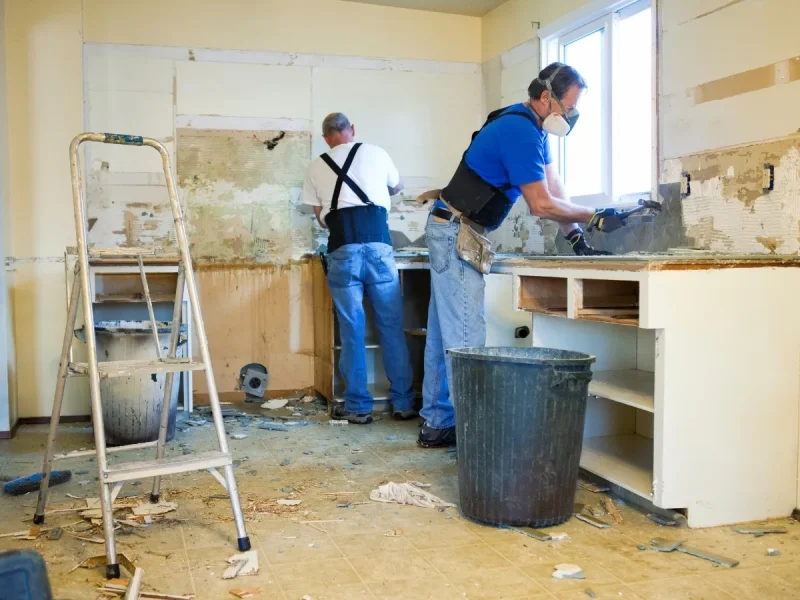
Renovating a home is an exciting step for many homeowners, but it also comes with important responsibilities. In British Columbia, renovation projects must follow specific regulations designed to protect safety, property value, and long-term livability. At Home Service BC, we often speak with homeowners who are surprised to learn how detailed home renovation rules can be. Understanding these rules before starting any work helps prevent delays, fines, and costly rework. It also ensures that renovations are done correctly and legally from the beginning. Knowing what is required allows homeowners to plan better and move forward with confidence. That is why understanding home renovation rules is essential for anyone improving a home in BC.
Why Home Renovation Rules Matter in British Columbia
Home renovation rules exist to protect homeowners, neighbours, and communities. British Columbia has diverse housing types, weather conditions, and environmental concerns that affect how homes are built and modified. These rules ensure that renovations meet safety standards and comply with provincial and municipal codes. When renovations follow proper guidelines, homes remain structurally sound and energy efficient. Ignoring these rules can lead to unsafe conditions, insurance issues, and problems when selling the property. At Home Service BC, we see how following regulations from the start saves homeowners time and stress. Renovation rules are not obstacles but safeguards for long-term value.
Understanding Building Permits and Their Purpose
A building permit is official approval from a local authority that allows renovation work to begin. In British Columbia, permits confirm that proposed changes meet building codes and zoning requirements. Home renovation rules often require permits for projects that affect structure, safety, or essential systems. Permits also allow inspectors to review work at different stages. This process ensures renovations are done correctly and safely. Without a permit, homeowners risk fines and may be required to undo completed work.
Renovations That Usually Require a Permit
Many homeowners assume permits are only for major renovations, but this is not always true. Home renovation rules in BC require permits for projects that alter the structure or function of a home. These projects often include additions, structural changes, plumbing alterations, and electrical upgrades. Even finishing a basement or converting space can require approval. Permit requirements may vary by municipality, so it is important to check local guidelines. Confirming permit needs early prevents delays and unexpected costs.
Renovations That May Not Require a Permit
Not all renovation work requires formal approval. Cosmetic updates like painting, replacing cabinets, or updating flooring often do not need permits. Minor repairs that do not affect structure or systems are usually exempt. However, even small projects must still meet safety and building standards. Home renovation rules still apply to workmanship and materials. When in doubt, checking with local authorities is always the safest approach.
Zoning Rules and How They Affect Renovations
Zoning regulations control how properties can be used and developed. These rules affect building height, setbacks, lot coverage, and permitted uses. Home renovation rules in BC require renovations to comply with zoning bylaws. For example, adding a secondary suite or expanding a home may be restricted by zoning limits. Ignoring zoning regulations can result in denied permits or required changes. Understanding zoning early helps homeowners design renovations that align with local laws.
Electrical and Plumbing Regulations Homeowners Must Follow
Electrical and plumbing systems are closely regulated in British Columbia due to safety concerns. Home renovation rules require licensed professionals to perform most electrical and plumbing work. Improper installations can lead to fire hazards, water damage, and health risks. Permits are often required for system upgrades or rerouting. Inspections ensure that work meets provincial codes. Hiring qualified professionals protects both the home and its occupants.
Structural Changes and Engineering Requirements
Any renovation that affects load-bearing elements requires careful planning. Structural changes often need engineered drawings and approvals. Home renovation rules in BC are strict when it comes to maintaining structural integrity. Walls, beams, and foundations must meet specific standards. Inspections confirm that changes are safe and properly executed. Skipping these steps can compromise the entire home.
Environmental and Energy Efficiency Standards
British Columbia places a strong focus on sustainability and energy efficiency. Renovations may need to meet energy performance requirements under provincial guidelines. Home renovation rules encourage improvements that reduce energy consumption and environmental impact. This may include insulation upgrades, window replacements, or efficient heating systems. Meeting these standards can also lead to long-term savings on utility bills. Sustainable renovations benefit both homeowners and the environment.
Heritage and Strata Property Considerations
Some homes fall under heritage protection or strata governance. These properties have additional renovation rules that homeowners must follow. Heritage homes may require special approval to preserve historical features. Strata properties often need permission from the strata council before work begins. Home renovation rules in these cases protect shared interests and community standards. Reviewing these requirements early avoids disputes and delays.
Inspections and Approval Stages During Renovations
Inspections are a key part of the renovation process in British Columbia. They ensure work meets safety and quality standards at different stages. Home renovation rules require inspections for structural work, plumbing, electrical systems, and final completion. Scheduling inspections on time keeps projects moving forward. Missing inspections can cause delays or require work to be redone. Proper planning helps renovations stay on track.
Consequences of Ignoring Home Renovation Rules
Failing to follow home renovation rules can lead to serious consequences. Homeowners may face fines, stop-work orders, or legal issues. Insurance claims can be denied if work was done without permits. Selling a home with unpermitted renovations can also be difficult. Buyers may request proof of compliance or demand repairs. Following rules protects both current and future interests.
How Hiring Professionals Helps Ensure Compliance
Professional contractors understand local regulations and permit processes. They help homeowners navigate complex requirements efficiently. At Home Service BC, we connect homeowners with trusted professionals who understand home renovation rules and compliance. Working with experts reduces the risk of mistakes and delays. Professionals also coordinate inspections and documentation. This support saves homeowners time and reduces stress.
Planning Renovations the Right Way From the Start
Proper planning is essential for successful renovations. Homeowners should research regulations, set realistic budgets, and confirm permit requirements early. Home renovation rules are easier to manage when addressed at the planning stage. Clear communication with contractors ensures everyone understands expectations. Planning ahead prevents costly changes later. A well-prepared renovation is smoother and more rewarding.
Accessing Reliable Renovation Support in BC
Finding trustworthy professionals is a common challenge for homeowners. At Home Service BC, we make it easier to connect with qualified experts who understand local requirements. Homeowners can explore trusted renovation and home improvement solutions through our full range of home services designed for British Columbia properties. This access helps homeowners choose professionals who prioritize compliance and quality. Reliable support makes renovation projects more manageable.
Learning From Experts and Real Renovation Experiences
Staying informed helps homeowners avoid common renovation mistakes. At Home Service BC, we believe education is just as important as service. That is why we share expert discussions and real experiences through our home renovation and service podcast, where professionals discuss regulations, trends, and best practices. These insights help homeowners understand home renovation rules more clearly. Learning from experts builds confidence and better decision-making.
Keeping Documentation for Future Reference
Documentation is an often-overlooked part of renovations. Keeping permits, inspection reports, and contractor invoices is essential. Home renovation rules require proof of compliance, especially during resale. Organized records protect homeowners from disputes and delays. Documentation also helps with future renovations or repairs. A well-documented renovation adds credibility and value to the home.
Why Home Renovation Rules Protect Your Investment
Renovations are a major financial commitment. Following home renovation rules ensures that investment is protected. Compliant renovations improve safety, functionality, and market value. Buyers and insurers look favourably on properly permitted work. Rules provide a framework for quality and accountability. When followed correctly, they support long-term home ownership success.
Final Thoughts
Understanding and following home renovation rules is essential for every homeowner in British Columbia. Permits, inspections, and compliance are not just legal requirements but safeguards for safety and value. At Home Service BC, we are committed to helping homeowners navigate renovations with confidence by connecting them with trusted local professionals. When renovations are done right from the start, homeowners save time, avoid costly mistakes, and protect their investment. For reliable guidance and expert support, Home Service BC is always here to help homeowners renovate the right way.