
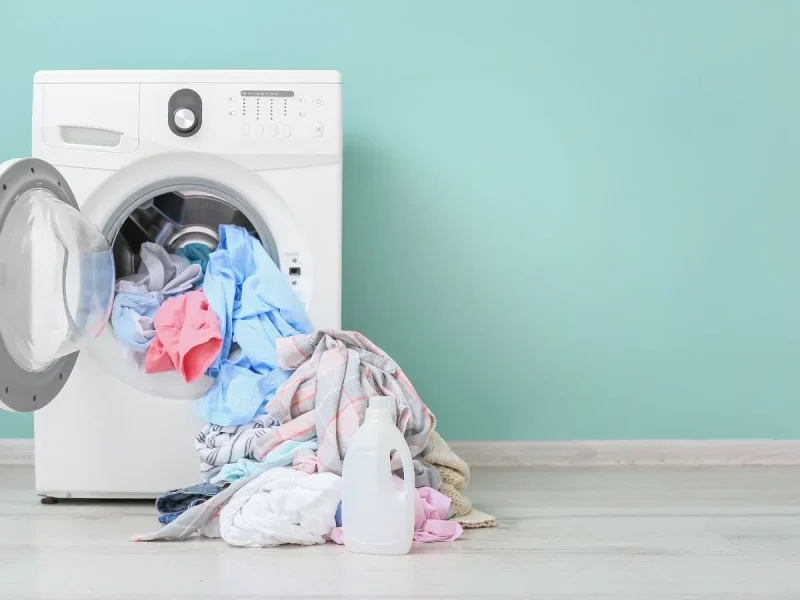
Your washing machine relies on several hardworking components to complete every cycle, but one of the most important is the drain pump. Without it, water cannot leave the drum properly, leaving you with soaking wet clothes and a machine that refuses to finish its cycle. When the pump begins to fail, it often gives subtle warning signs before it stops working altogether. Recognizing these symptoms early can help you schedule washer pump repair before the problem leads to more extensive damage.
A faulty washer pump doesn’t always mean your appliance needs to be replaced. In many cases, professional repairs can restore your washing machine and extend its lifespan for several more years. The key is knowing what to watch for and avoiding the temptation to ignore symptoms that seem minor. Understanding how the drain pump works and why it fails will help you make informed decisions when problems arise.
What Does a Washer Pump Do?
The drain pump is responsible for removing dirty water from your washing machine after the wash and rinse cycles. Once the control board signals the pump to activate, it pushes water through the drain hose and into your home’s plumbing system. Only after the water has been removed can the washer move into its final spin cycle. Because the drain pump operates during every load, it experiences considerable wear over the life of the appliance. It also handles lint, detergent residue, and occasionally small objects that accidentally make their way into the washer. Over time, this constant workload can lead to mechanical wear or blockages that reduce the pump’s effectiveness.
Common Signs of a Failing Washer Pump
A failing drain pump rarely stops working without warning. Most pumps show gradual signs of wear that become more noticeable over time. Paying attention to these symptoms allows you to arrange washer repair before the pump fails completely.
Water Remains Inside the Drum
One of the clearest signs of pump failure is standing water left inside the drum after a wash cycle finishes. Your clothes may still be soaking wet because the washer cannot remove the water properly. Sometimes the machine attempts to drain several times before displaying an error code or stopping altogether. Although standing water can also result from a clogged hose or plumbing restriction, a worn drain pump is one of the most common causes. A professional technician can determine whether the issue involves the pump itself or another component within the drainage system.
The Washer Makes Loud Grinding or Humming Noises
Drain pumps are normally quiet, producing only a low humming sound while operating. If you begin hearing loud grinding, rattling, buzzing, or humming noises, the pump may be struggling to function. These sounds often occur when debris becomes lodged inside the pump or when internal bearings begin to wear.
Ignoring unusual noises can allow additional damage to develop. Continued operation may overheat the pump motor or damage the impeller, resulting in more expensive repairs later. Having the appliance inspected promptly can help prevent further problems.
Water Drains Very Slowly
A washing machine that eventually drains but takes much longer than usual may also have a failing drain pump. As the motor weakens or the impeller wears down, the pump loses its ability to move water efficiently. While a partial blockage can produce similar symptoms, slow drainage often indicates that the pump is nearing the end of its service life. If your washer consistently takes longer to complete its drain cycle, professional diagnosis is recommended. Early washer pump repair may prevent a complete pump failure and reduce overall repair costs.
The Spin Cycle Won’t Start
Modern washing machines are designed to protect themselves from damage. If water remains inside the drum, many models will not begin the spin cycle because spinning a drum full of water could strain the motor and suspension system. Instead, the appliance may pause, display an error code, or repeatedly attempt to drain without success. When this happens regularly, the drain pump should be inspected along with the rest of the drainage system. Identifying the problem early helps prevent unnecessary stress on other mechanical components.
What Causes a Washer Pump to Fail?
Although drain pumps are designed to last for many years, they are constantly exposed to water, detergent, lint, and debris. Over time, normal wear combined with heavy use can reduce their performance. In some cases, pump failure happens gradually, while in others it can occur suddenly after an obstruction damages the internal components. Understanding the most common causes helps homeowners prevent unnecessary washing machine problems.
Debris Blocking the Pump
One of the leading causes of drain pump failure is debris entering the pump housing. Coins, buttons, hairpins, children’s socks, and even excessive lint can become lodged inside the impeller. When this happens, the pump motor must work harder to move water, placing additional stress on the entire assembly. Some blockages simply reduce water flow, while others prevent the impeller from turning altogether. If the obstruction remains in place, the motor may eventually overheat and fail completely. Professional technicians can safely disassemble the pump, remove the obstruction, and inspect for additional damage before recommending washer pump repair.
Normal Wear and Tear
Every time you run a load of laundry, the drain pump cycles on and off to remove water from the drum. Over the years, this constant operation naturally wears down internal bearings, seals, and the pump motor itself. Even with proper maintenance, no mechanical component lasts forever. Older washing machines are more likely to experience pump wear simply because of the number of cycles they’ve completed. If your appliance has provided years of reliable service and begins showing drainage issues, normal ageing may be the underlying cause.
Overloading the Washing Machine
Stuffing too many clothes into the washer may seem like a time-saver, but it places unnecessary strain on nearly every component inside the appliance. Overloaded drums require the pump to remove larger volumes of water while also dealing with increased lint and fabric debris. Repeated overloading can shorten the lifespan of the drain pump and other moving parts. Following the manufacturer’s recommended load size helps reduce wear while improving cleaning performance. Smaller, balanced loads also allow water to circulate more effectively, resulting in cleaner laundry and less stress on the machine.
Hard Water and Mineral Buildup
In many parts of Canada, hard water contains high levels of calcium and magnesium minerals. Over time, these minerals can accumulate inside the drain pump, hoses, and other water-carrying components. As buildup increases, the pump must work harder to move water efficiently through the system. Routine appliance cleaning and the occasional use of products designed to remove mineral deposits can help reduce buildup. However, if hard water has already damaged the pump, professional service may be necessary to restore proper operation.
Can You Repair a Washer Pump Yourself?
Some homeowners feel comfortable performing basic maintenance, such as cleaning a drain pump filter or checking the drain hose for visible blockages. These simple tasks can sometimes restore proper drainage if the problem is minor. However, once the issue involves the drain pump itself, repairs become significantly more complicated.
The pump is connected to both electrical wiring and water lines inside the appliance. Accessing it often requires partially disassembling the washer and safely disconnecting multiple components. Without the proper tools or experience, DIY repairs can lead to water leaks, electrical hazards, or accidental damage to surrounding parts.
Professional washer repair technicians not only replace faulty pumps but also inspect the entire drainage system to ensure another hidden issue isn’t responsible for the failure. This comprehensive approach helps prevent repeat breakdowns and gives homeowners confidence that the repair has been completed correctly.
How Professionals Diagnose Pump Problems
Experienced appliance technicians follow a systematic inspection process rather than replacing parts based on assumptions. Because several different components can produce similar drainage symptoms, accurate diagnosis is essential before beginning repairs.
During a typical service visit, technicians may:
- Test the drain pump motor for proper operation.
- Inspect the impeller for wear or obstructions.
- Check the drain hose for restrictions or damage.
- Clean and inspect the drain pump filter.
- Test electronic controls and water level sensors.
- Verify that the household drain system is functioning properly.
This step-by-step approach helps identify the exact source of the washing machine problems, reducing unnecessary repairs and restoring the appliance more efficiently. If you’d like to learn more about maintaining your home’s appliances and preventing common breakdowns, the Home Services BC podcast features practical advice from experienced professionals covering appliance care, maintenance tips, and repair insights.
How to Prevent Washer Pump Failure
While every drain pump eventually reaches the end of its lifespan, good maintenance habits can help it last longer and perform more efficiently. Preventative care reduces unnecessary strain on the pump while minimizing the risk of unexpected breakdowns. Most maintenance tasks require only a few minutes and can make a noticeable difference in your washing machine’s reliability. Developing these habits also helps prevent other common washing machine problems.
Here are a few simple ways to protect your washer pump:
- Empty pockets before placing clothing in the washer to keep coins, keys, and small objects out of the pump.
- Clean the drain pump filter regularly if your washer has one.
- Avoid overloading the drum with heavy items.
- Use the recommended amount of detergent to reduce residue buildup.
- Run a washer cleaning cycle every month to remove detergent, lint, and mineral deposits.
- Inspect the drain hose periodically for kinks, cracks, or blockages.
- Schedule professional maintenance if you notice recurring drainage issues.
Although routine maintenance won’t prevent every repair, it significantly reduces unnecessary wear and helps your appliance operate more efficiently.
When Should You Call a Professional?
Some drainage issues appear straightforward but actually stem from several failing components working together. A washer that won’t drain may have a worn pump, damaged wiring, faulty sensors, or even a partially blocked household drain. Without proper diagnostic equipment, it’s difficult to determine the exact cause. That’s why professional service often saves both time and money.
You should arrange washer repair if you notice:
- Water remaining inside the drum after every cycle.
- Loud grinding, buzzing, or rattling during draining.
- Burning smells while the drain pump is operating.
- Repeated error codes related to drainage.
- Water leaking underneath the appliance.
- The spin cycle refusing to begin because the washer cannot drain.
- Drainage problems that continue after cleaning the filter and hose.
Experienced technicians can identify whether the issue involves the drain pump itself or another part of the drainage system. Correct diagnosis helps prevent unnecessary part replacements while restoring your washer safely and efficiently.
Frequently Asked Questions
How do I know if my washer pump has failed?
The most common signs include standing water inside the drum, slow drainage, loud humming or grinding noises, and the washer refusing to enter the spin cycle. Some machines may also display drainage-related error codes. A professional inspection can confirm whether the pump is the source of the problem.
Can a clogged pump look like a failed pump?
Yes. A blocked impeller or debris trapped inside the pump can produce many of the same symptoms as a worn-out pump motor. Professional technicians inspect both the pump and surrounding drainage system before recommending repairs. This ensures the actual problem is resolved rather than simply treating the symptoms.
Is washer pump repair expensive?
The cost depends on the make and model of your washing machine as well as whether the pump requires cleaning, repair, or replacement. In many cases, repairing or replacing the pump is significantly more affordable than purchasing a new appliance. An experienced technician can provide recommendations after inspecting the washer.
How long should a washing machine drain pump last?
Most drain pumps last between 8 and 15 years, depending on how often the washer is used and how well it has been maintained. Frequent overloading, hard water, and debris entering the pump can shorten its lifespan. Regular maintenance helps maximize its service life.
Should I keep using my washer if the pump is failing?
It’s best to stop using the appliance until it has been inspected. Continuing to operate a washer with a failing pump can overheat the motor, damage other components, and increase repair costs. Prompt service often prevents additional wear and keeps the repair more manageable.
Final Thoughts
A failing drain pump is one of the most common causes of washing machine problems, but it rarely happens without warning. Paying attention to slow drainage, unusual noises, standing water, and interrupted cycles gives you the opportunity to arrange washer pump repair before the damage spreads to other parts of the appliance. Early repairs not only restore your washer’s performance but can also extend its lifespan and reduce long-term maintenance costs.
At Home Services BC, we’re committed to helping homeowners find trusted professionals for reliable appliance repairs. If your washing machine is showing signs of pump failure, don’t wait until it stops working completely. For expert washer repair, visit Edellin Home Services or schedule a service appointment through their contact page. Experienced technicians can diagnose the issue accurately and get your laundry routine back to normal with dependable, professional service.