
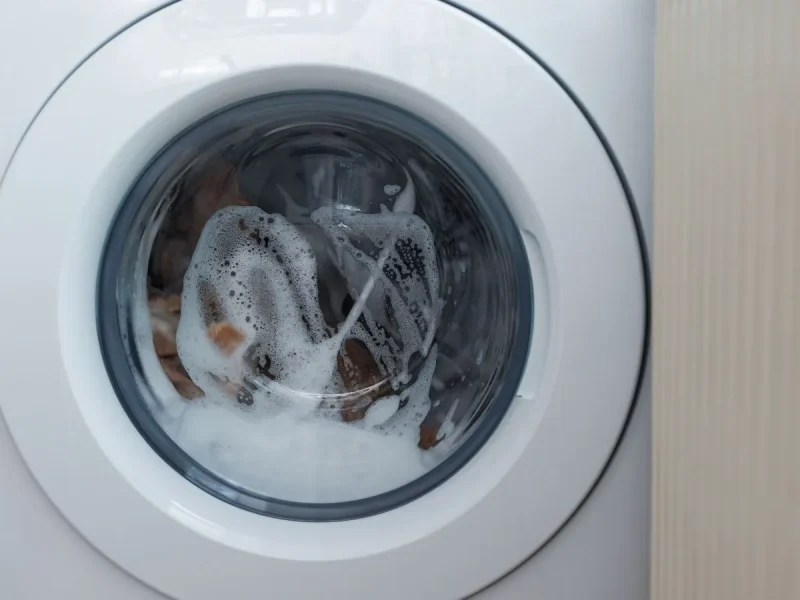
A washing machine is never completely silent, but it also shouldn’t sound like it’s struggling every time you do a load of laundry. If you’ve noticed your washer making noise that seems louder than usual, it’s often a sign that something inside the appliance needs attention. While some sounds are harmless, others may indicate worn components, loose parts, or mechanical failures that can worsen if ignored. Understanding what different noises mean can help you decide when it’s time to schedule professional washer repair.
Every wash cycle places stress on the motor, drum, bearings, suspension system, and other moving parts. As these components age, they naturally wear down, causing new sounds to develop. Catching these issues early often prevents more extensive damage and helps extend the life of your washing machine. Waiting until the appliance stops working entirely usually results in more complicated and costly repairs.
Why You Should Never Ignore Unusual Washer Noises
Many homeowners continue using a noisy washing machine because it still completes its cycles. Unfortunately, unusual sounds rarely disappear on their own. In most cases, they indicate that one component is beginning to fail and placing additional stress on surrounding parts. Continuing to use the washer may allow a relatively minor repair to develop into a much larger mechanical problem. For example, a worn bearing may initially produce a faint rumbling noise. If left unattended, the damaged bearing can eventually affect the drum, motor, or drive shaft, increasing both repair time and costs. Addressing washing machine noise early helps prevent unnecessary damage while improving the appliance’s performance and reliability.
Common Washer Noises and What They Mean
Different sounds often point to different mechanical issues. Paying attention to when the noise occurs, such as during filling, washing, draining, or spinning, provides valuable clues that help technicians diagnose the problem more efficiently.
Loud Banging During the Spin Cycle
A loud banging or thumping noise during spinning is one of the most common complaints homeowners experience. In many cases, the problem is simply an unbalanced load. Heavy blankets, comforters, or unevenly distributed clothing can cause the drum to strike the sides of the cabinet while spinning at high speed. However, if the banging occurs regularly with normal-sized loads, worn suspension rods, damaged shock absorbers, broken springs, or loose drum components may be responsible. Continuing to operate the washer under these conditions places unnecessary stress on the suspension system and motor. Professional inspection helps determine whether a simple adjustment or more extensive washer repair is required.
Grinding or Rumbling Sounds
Grinding, growling, or rumbling noises often indicate worn drum bearings. These bearings support the drum as it rotates and gradually wear out after years of regular use. As they deteriorate, the washer becomes progressively louder, especially during high-speed spinning. Grinding sounds may also occur if a foreign object becomes trapped between the inner and outer drum. Coins, bra wires, buttons, and other small items occasionally escape from clothing pockets and create friction while the drum rotates. Because both situations require partial disassembly of the appliance, professional diagnosis is recommended.
High-Pitched Squealing
A squealing or screeching sound usually points to components that move under tension. Worn drive belts, damaged pulleys, or ageing motor bearings are among the most common causes. Some washers produce a brief squeal when starting the spin cycle, but persistent or increasingly loud squealing should not be ignored. If the belt slips repeatedly, it may eventually snap or place additional strain on the motor. Replacing a worn belt early often prevents more extensive mechanical repairs later. Experienced technicians can inspect the drive system and identify the exact source of the noise before additional damage occurs.
Clicking or Ticking Noises
Not every clicking sound indicates a serious problem. Some clicking is perfectly normal as the control board activates valves, relays, or door locks during different stages of the cycle. However, repeated clicking combined with interrupted wash cycles or error codes may suggest electrical problems or failing control components. Loose objects inside the drum can also create rhythmic ticking sounds while tumbling with clothing. Checking pockets before washing helps prevent unnecessary wear and reduces the chance of small objects damaging internal components.
Other Noises That May Indicate a Problem
While banging, grinding, and squealing are among the most common washer sounds, they’re not the only noises that deserve attention. Some less obvious sounds can still point to developing mechanical or electrical issues. Recognizing these early warning signs can help you arrange repairs before your washing machine experiences a complete breakdown.
Humming Without Draining
A low humming sound during the drain cycle often means the drain pump is receiving power but cannot move water. In many cases, the pump has become blocked by lint, coins, small clothing items, or other debris. If the obstruction remains, the motor may continue trying to operate until it overheats and fails completely. A humming noise may also indicate that the drain pump motor is wearing out. Since both problems produce similar symptoms, professional diagnosis is the most reliable way to determine whether the pump needs cleaning, repair, or replacement.
Buzzing During the Fill Cycle
If your washing machine buzzes while attempting to fill with water, the water inlet valve may be struggling to open properly. Mineral deposits, internal wear, or debris inside the valve can restrict water flow and force the valve to work harder than normal. Over time, this additional strain can cause the valve to fail completely. Homeowners sometimes mistake this sound for an electrical problem because it occurs before the wash cycle begins. An experienced technician can inspect both the inlet valve and water supply system to identify the exact cause.
Loud Vibrating Throughout the Entire Cycle
Some vibration is expected during spinning, especially with larger loads. However, if the entire washing machine vibrates excessively throughout multiple stages of the cycle, the problem may involve more than an uneven load. Worn suspension components, damaged shock absorbers, loose levelling feet, or an unstable floor can all contribute to excessive movement. Persistent vibration places additional stress on nearly every moving part inside the appliance. Addressing the issue early helps prevent unnecessary wear on the drum, motor, bearings, and cabinet frame.
Does the Type of Washer Affect the Noise?
Yes. Front load and top load washers often produce different sounds because of their unique designs. Understanding these differences helps homeowners distinguish between normal operating sounds and noises that require professional attention. A front load washer generally operates more quietly during washing because it tumbles clothes rather than using an agitator. However, these models spin at much higher speeds, making worn drum bearings, damaged suspension systems, or failing shock absorbers easier to hear. Grinding or roaring noises during spinning are particularly common signs of bearing wear.
A top load washer typically produces more movement during normal operation. Agitators naturally create more mechanical noise, but loud banging, repeated thumping, or violent shaking usually indicates worn suspension rods, damaged balancing components, or overloaded laundry. Although top load machines are often simpler mechanically, they still benefit from prompt repairs when unusual sounds develop.
When Is a Noisy Washer Dangerous?
Not every unusual sound requires emergency service, but some noises should never be ignored. If your washing machine begins making extremely loud or sudden sounds, continuing to operate it may create safety hazards or significantly increase repair costs. Electrical problems, damaged motors, and failing drum assemblies can worsen quickly under continued use.
Stop using the washer and arrange washer repair immediately if you notice:
- Loud grinding combined with a burning smell.
- Metal scraping against metal.
- Violent shaking that causes the washer to move across the floor.
- Water leaking while unusual noises occur.
- Repeated tripping of electrical breakers.
- Smoke or signs of overheating.
Prompt attention helps protect both your appliance and your home. Professional technicians can safely inspect the washer and determine whether repairs are needed before additional damage occurs.
How Professionals Diagnose Washing Machine Noise
Experienced technicians don’t rely on the sound alone when diagnosing washing machine noise. Instead, they inspect the appliance systematically to determine exactly which component is responsible. Since several different problems can create similar sounds, proper testing prevents unnecessary repairs and replacement of perfectly functional parts.
A typical inspection may include:
- Checking drum bearings for wear.
- Inspecting suspension rods, springs, and shock absorbers.
- Examining the drive belt and pulleys.
- Testing the drain pump during operation.
- Inspecting the motor and electrical connections.
- Verifying that the washer is level and properly balanced.
This detailed approach allows technicians to identify the true source of the noise while ensuring no additional issues are overlooked.
If you’d like to learn more about maintaining your household appliances and recognizing early warning signs before they become major repairs, the Home Services BC podcast shares practical advice from industry professionals on appliance care, maintenance, and home ownership.
How to Prevent Your Washer from Becoming Noisy
Although some mechanical wear is unavoidable, many causes of washing machine noise can be prevented with regular maintenance and proper use. Small habits not only help keep your washer operating quietly but also reduce wear on important components such as the motor, suspension system, and drum bearings. Preventative maintenance is often far less expensive than major repairs and can significantly extend the life of your appliance.
Here are a few simple ways to reduce unnecessary noise and keep your washer running smoothly:
- Avoid overloading the drum, especially with bulky blankets or comforters.
- Distribute clothing evenly before starting the wash cycle.
- Check your pockets for coins, keys, and other small objects before washing.
- Inspect the washer periodically to ensure it remains level on the floor.
- Clean the drain pump filter according to the manufacturer’s recommendations.
- Use the correct amount of detergent to reduce residue buildup.
- Arrange professional maintenance if you notice new or worsening noises.
These simple maintenance practices help reduce stress on moving parts while improving your washer’s overall performance and reliability.
When Should You Call a Professional?
Some noises can be resolved by redistributing an uneven load or removing an object trapped inside the drum. However, if the sound continues after basic troubleshooting, it’s time to have your appliance inspected. Continuing to operate a noisy washer often allows the underlying problem to worsen, leading to more extensive repairs and higher costs.
You should arrange professional washer repair if you notice:
- Grinding or rumbling that becomes louder over time.
- Persistent squealing during every spin cycle.
- Loud banging even with balanced loads.
- Humming while the washer fails to drain.
- Excessive vibration that causes the appliance to shift across the floor.
- Burning smells accompanying unusual noises.
- Error codes appearing together with mechanical sounds.
Professional technicians have the experience and diagnostic equipment to determine whether the problem involves bearings, suspension components, the motor, the drain pump, or another internal part. Correct diagnosis helps ensure the repair addresses the root cause rather than just the symptoms.
Frequently Asked Questions
Why is my washer making a loud banging noise?
A loud banging noise is often caused by an unbalanced load, especially when washing heavy items like blankets or comforters. If the noise continues with normal laundry loads, worn suspension rods, damaged shock absorbers, or loose drum components may be responsible. A professional inspection can identify the exact cause before additional damage occurs.
Is it safe to use my washer if it’s making grinding noises?
It’s best to stop using the appliance until it has been inspected. Grinding sounds commonly indicate worn drum bearings or objects trapped inside the drum assembly. Continuing to operate the washer can increase wear on surrounding components and result in more expensive repairs.
Why does my washing machine squeal during the spin cycle?
A squealing sound often points to a worn drive belt, damaged pulley, or ageing motor bearing. These components experience significant stress during high-speed spinning. Replacing worn parts early can prevent larger mechanical failures and restore quiet operation.
Can a noisy washer still work normally?
Yes. Many washing machines continue completing their cycles even while internal components are wearing out. However, unusual noises are often early warning signs that should not be ignored. Addressing the issue promptly usually results in a simpler and more affordable repair.
How can I reduce washing machine noise?
Keeping loads balanced, avoiding overloading, cleaning the washer regularly, checking for loose objects, and ensuring the appliance sits level on the floor all help minimize unnecessary noise. Routine maintenance and prompt repairs also prevent minor problems from developing into major mechanical issues.
Final Thoughts
A noisy washing machine is often trying to tell you that something isn’t right. Whether you hear banging, grinding, squealing, humming, or excessive vibration, these sounds are valuable warning signs that deserve attention. Addressing washing machine noise early can prevent damage to the motor, bearings, suspension system, and other important components, helping you avoid more costly repairs in the future.
At Home Services BC, we help homeowners connect with trusted professionals who provide dependable appliance repair solutions. If your washer making noise has become louder or more frequent, don’t wait for a complete breakdown before taking action. For expert washer repair, visit Edellin Home Services or schedule a service appointment through their contact page. Experienced technicians can accurately diagnose the problem, restore your washer’s performance, and help keep your laundry routine running smoothly.