
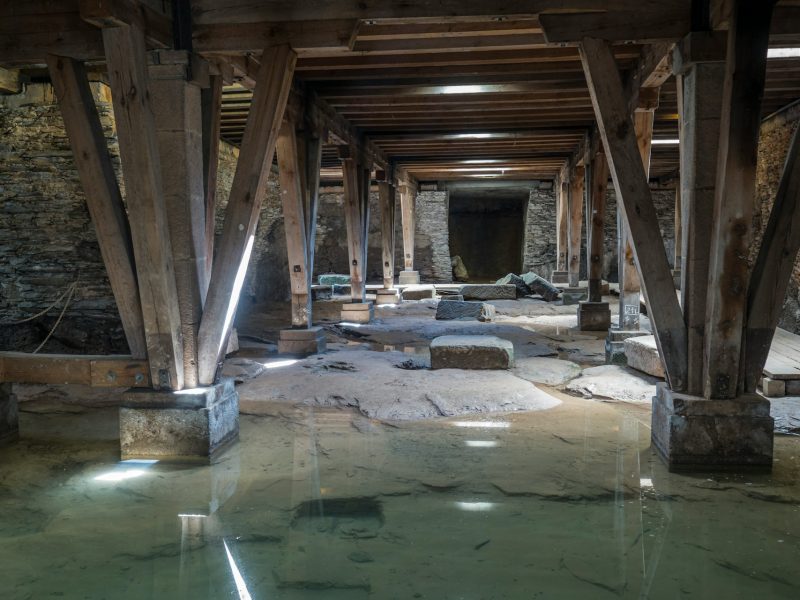
Basement flooding can be one of the most stressful experiences for homeowners, especially in Vancouver, where heavy rainfall is common. Whether caused by a burst pipe, sewer backup, or poor drainage, a flooded basement requires quick and careful action. This guide will walk you through what to do immediately after flooding and how to prevent it from happening again.
Step 1: Stay Safe and Turn Off the Power
The first and most crucial step is safety. Floodwater may carry bacteria or contaminants, and if it comes into contact with electrical wiring, it poses a severe shock risk.
- If it’s safe, switch off the power at your home’s main breaker.
- Avoid walking through standing water until you’re sure there’s no electrical hazard.
- Wear rubber boots and gloves for protection.
If the breaker box is near the flooded area, call an electrician before attempting to turn off the power yourself.
Step 2: Identify the Source of the Flooding
Before starting any cleanup, figure out where the water is coming from. Common causes include:
- Heavy rainfall or snowmelt seeping through foundation cracks
- Clogged or damaged sump pumps
- Burst or leaking pipes
- Sewer backups due to city drainage issues
Knowing the source helps you decide whether you can manage the problem yourself or need professional assistance.
Step 3: Stop the Flow of Water
If the flooding is caused by a burst pipe or plumbing issue, shut off your home’s main water supply immediately. For rain-related flooding, inspect gutters and downspouts to ensure they’re not blocked and are directing water away from your foundation.
If the water keeps rising, it’s time to contact a 24/7 emergency plumber in Vancouver who can quickly locate and stop the flow.
Step 4: Remove Standing Water
Once it’s safe and the source is under control, start removing water as quickly as possible.
You can use:
- A wet/dry vacuum for smaller amounts of water.
- A sump pump or utility pump for larger floods.
- Buckets and mops if equipment isn’t available.
Speed is essential—standing water can cause structural damage and encourage mould growth within 24 to 48 hours.
Step 5: Dry Out the Basement
After removing visible water, your next step is drying the area completely.
- Use fans, dehumidifiers, and open windows to circulate air.
- Remove soaked carpets, rugs, and furniture to dry them separately.
- Dispose of materials that can’t be fully dried, like insulation or cardboard.
You may need to hire a water damage restoration company to ensure all moisture is removed from walls and flooring.
Step 6: Clean and Disinfect
Floodwater can contain bacteria, sewage, or chemicals, so thorough cleaning is critical.
- Scrub hard surfaces with hot water and detergent.
- Disinfect using a solution of bleach and water (1 cup bleach to 1 gallon water).
- Wash clothing, bedding, and other soft items in hot water or have them professionally cleaned.
Proper sanitation helps prevent mould, mildew, and health risks.
Step 7: Document the Damage for Insurance
Take clear photos and videos of all damage before starting repairs. This documentation will support your home insurance claim.
- Contact your insurer as soon as possible to report the incident.
- Keep receipts for cleanup and repair expenses.
- Follow their instructions regarding professional inspections and restoration work.
Most standard home insurance policies in Vancouver cover sudden plumbing leaks, but not always overland or sewer backup flooding. It’s worth checking if you have additional flood coverage.
Step 8: Call Professionals
Depending on the cause and extent of damage, you may need to call several experts:
- Plumber: To repair burst pipes, leaking fixtures, or sump pump failures.
- Electrician: To inspect for water-related electrical hazards.
- Restoration specialists: To dry and disinfect the space thoroughly.
- Contractors: To repair walls, flooring, and insulation if needed.
Professional help ensures your basement is restored safely and prevents hidden damage that could worsen over time.
Preventing Future Basement Flooding
1. Inspect Your Sump Pump Regularly
Your sump pump is your basement’s first defence against flooding. Test it every few months, especially before the rainy season.
2. Maintain Proper Drainage
Ensure gutters and downspouts are clear and extend at least 2 metres from your foundation. Check that your yard slopes away from your home.
3. Seal Foundation Cracks
Even small cracks can let water in. Use hydraulic cement or waterproof sealants to fill them before they worsen.
4. Install a Backwater Valve
This device prevents sewer water from backing up into your basement during heavy rain—a common issue in Vancouver.
5. Add a Dehumidifier
Basements are prone to dampness. A good dehumidifier keeps moisture levels low and helps prevent mould.
When to Call an Emergency Plumber
Call a professional plumber in Vancouver immediately if you notice:
- Continuous flooding even after shutting off water sources
- Water coming from drains or toilets
- Burst or frozen pipes
- Unusual odours suggesting sewage backup
Fast action can save you thousands in repair costs and prevent long-term structural damage.
Final Thoughts
Knowing what to do if your basement floods in Vancouver can make all the difference in protecting your home. Always start by ensuring safety, stopping the water source, and drying the area quickly. After cleanup, take steps to prevent future flooding through regular maintenance and waterproofing.
When the situation gets beyond your control, Home Services BC is here to help with emergency plumbing, water damage restoration, and expert prevention solutions to keep your basement safe and dry year-round.
FAQ
Should I call my insurance company right away?
Yes, contact your insurer as soon as possible to start your claim and get guidance on professional cleanup and inspection.
Can I clean up a flooded basement myself?
You can handle minor flooding, but for significant water or sewage issues, call professionals to ensure safe and complete cleanup.
How can I tell if I have a sewer backup?
If you notice foul odours, slow drains, or water coming from floor drains, you likely have a sewer backup.
What’s the best way to prevent basement flooding?
Maintain your sump pump, clear gutters, and install a backwater valve for extra protection.
Is flood damage covered by home insurance in Vancouver?
Standard policies may not cover overland or sewer flooding, so it’s best to check your coverage and consider flood insurance.
Home Services BC — keeping Vancouver homes dry, safe, and protected through professional plumbing and flood prevention services.