
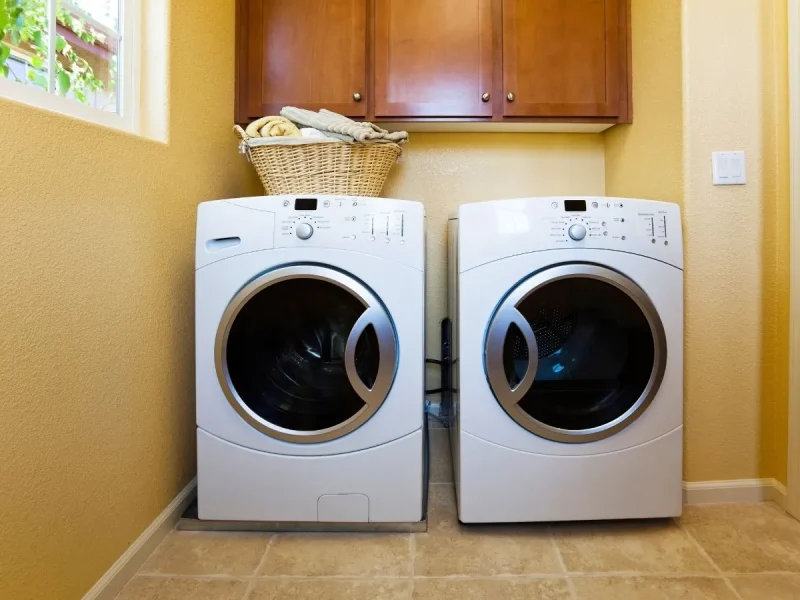
There’s nothing more frustrating than opening your dryer after a full cycle only to discover your clothes are still damp. If your dryer not drying properly has become a regular occurrence, it’s a clear sign that something isn’t working as it should. While some issues are easy to resolve, others require professional dryer repair to restore your appliance’s performance. Identifying the cause early can save energy, reduce utility costs, and prevent more serious damage to your dryer.
A properly functioning dryer should dry most loads within the manufacturer’s recommended cycle time. If your dryer suddenly needs two or three cycles to finish the job, the problem shouldn’t be ignored. Poor drying performance places additional strain on the appliance, increases electricity consumption, and shortens the lifespan of important components. Understanding the most common reasons your dryer takes too long to dry clothes can help you determine when it’s time to call an expert.
How Your Dryer Dries Clothes
Before exploring common problems, it’s helpful to understand how a dryer works. During each cycle, the appliance draws in air, heats it using either a gas burner or electric heating element, and circulates the warm air through the drum. As moisture evaporates from your clothing, the exhaust system carries humid air outside through the vent. Every part of this process depends on proper airflow and functioning components. If airflow becomes restricted or one component begins to fail, drying efficiency drops significantly. The result is damp clothing, longer drying times, and increased wear on your appliance.
Sign #1: A Clogged Dryer Vent
One of the most common reasons for a dryer not drying properly is a clogged exhaust vent. Every load of laundry produces lint, and while the lint filter captures much of it, small particles still travel into the vent system. Over time, lint accumulates inside the ductwork, restricting airflow and preventing moist air from escaping efficiently.
Reduced airflow forces the dryer to work much harder than intended. Instead of removing moisture quickly, humid air remains trapped inside the drum, causing clothes to stay damp long after the cycle should have ended. Besides reducing drying performance, clogged vents are also one of the leading causes of household dryer fires.
Common signs of a clogged vent include:
- Clothes remain damp after one cycle.
- The dryer feels unusually hot during operation.
- The laundry room becomes warm and humid.
- The outside vent flap barely opens while the dryer is running.
- Drying times continue getting longer over several weeks.
Regular vent cleaning helps maintain proper airflow and improves both safety and efficiency.
Sign #2: A Dirty Lint Filter
Although it may seem obvious, a surprisingly large number of homeowners forget to clean the lint screen after every load. Even a thin layer of lint restricts airflow, making it harder for warm air to circulate through the drum. As airflow decreases, drying performance suffers. Cleaning the lint filter takes only a few seconds but has a significant impact on efficiency. Occasionally washing the screen with warm water and mild soap also removes invisible residue left behind by fabric softeners and dryer sheets, allowing air to pass through more freely.
Sign #3: A Faulty Heating Element
If your dryer tumbles normally but clothes remain cold and damp, the heating element may have failed. Electric dryers rely on a heating element to generate warm air, while gas dryers use an igniter and burner assembly. When these heating components malfunction, the dryer continues operating but produces little or no heat.
Signs of a heating problem include:
- The drum turns normally without producing heat.
- Clothes remain wet regardless of cycle length.
- The dryer finishes unusually quickly.
- Cool air blows inside the drum throughout the cycle.
Because heating systems involve electrical components or gas connections, repairs should always be handled by experienced appliance repair technicians.
Sign #4: Moisture Sensor Problems
Many modern dryers include moisture sensors that automatically detect when clothing has reached the desired dryness level. These sensors improve efficiency by ending the cycle once the clothes are dry. However, if the sensors become coated with residue or begin malfunctioning, they may provide inaccurate readings. A faulty moisture sensor can either stop the cycle too early or continue running long after the clothes are dry. Both situations reduce efficiency and increase energy consumption. Professional technicians can test the sensor and determine whether cleaning, recalibration, or replacement is required.
Sign #5: A Worn or Broken Drive Belt
The drive belt wraps around the drum and helps it rotate during each drying cycle. Although a completely broken belt usually prevents the drum from turning, a worn or slipping belt can also affect drying performance. If the drum isn’t rotating consistently, clothes remain in one position for too long, preventing warm air from circulating evenly throughout the load. Homeowners may notice unusual squealing noises, inconsistent tumbling, or clothes that are dry in some areas but still damp in others. Because replacing a drive belt requires partial disassembly of the appliance, professional dryer repair is recommended. An experienced technician can also inspect nearby components for signs of wear while the dryer is open.
Sign #6: Overloading the Dryer
Sometimes the problem isn’t the dryer itself. Placing too many clothes into the drum restricts airflow and prevents garments from tumbling freely. Even if the heating system is functioning perfectly, warm air cannot circulate properly through an overloaded load.
An overloaded dryer often results in:
- Damp clothing after one cycle.
- Wrinkled laundry.
- Longer drying times.
- Increased strain on the motor and drive system.
- Higher energy consumption.
Following the manufacturer’s recommended load size improves drying efficiency while reducing wear on important mechanical components.
Sign #7: Thermostat or Thermal Fuse Problems
Dryers include several safety devices that regulate temperature and prevent overheating. If the thermostat begins to fail, it may not allow the dryer to reach the proper operating temperature. Likewise, a blown thermal fuse may prevent the heating element from operating altogether. Common symptoms include inconsistent heating, unexpectedly cool drying cycles, or a dryer that stops producing heat after only a few minutes. Since these components involve electrical testing, professional appliance repair technicians should perform the diagnosis and replacement.
Gas Dryer Ignition Problems
If you own a gas dryer, the ignition system may be responsible for slow drying times. Gas dryers rely on an igniter, gas valve coils, and burner assembly to generate heat. If any of these components fail, the dryer may tumble normally while producing little or no heat. Unlike electric dryers, gas appliances require specialized knowledge and safety procedures. Attempting DIY gas appliance repairs can be dangerous and should always be left to qualified technicians. Professional diagnosis ensures the ignition system operates safely while restoring proper drying performance.
Why Longer Drying Times Cost You More
Many homeowners simply run a second drying cycle without thinking about the long-term impact. While this may seem like a simple solution, repeatedly operating an inefficient dryer increases utility bills and places additional strain on internal components. Over time, what starts as a minor inconvenience can become a much larger repair.
Longer drying times can lead to:
- Higher electricity or natural gas costs.
- Increased wear on the motor and drum rollers.
- Shortened appliance lifespan.
- Greater risk of overheating.
- More frequent repairs.
- Unnecessary energy waste.
Scheduling professional service when you first notice poor drying performance often costs less than waiting for a complete breakdown. Addressing the root cause early also helps your dryer operate more efficiently, saving money over the long term.
How Professionals Diagnose Dryer Problems
When a dryer begins taking too long to dry clothes, experienced technicians follow a structured diagnostic process rather than replacing parts based on guesswork. Because several different issues can produce similar symptoms, thorough testing helps identify the actual cause of the problem.
A professional inspection may include:
- Checking airflow through the vent system.
- Inspecting the heating element or gas burner assembly.
- Testing thermostats and thermal fuses.
- Examining the moisture sensors.
- Inspecting the drive belt and drum rollers.
- Verifying electrical connections and control board operation.
This comprehensive approach allows technicians to identify hidden issues before they lead to more serious appliance failures.
If you’d like to learn more about maintaining household appliances and improving their performance, the Home Services BC podcast offers practical advice from industry professionals on appliance maintenance, home care, and repair tips.
How to Prevent Your Dryer from Taking Too Long
While some dryer problems are unavoidable as appliances age, many issues can be prevented with routine maintenance and proper use. Keeping your dryer in good condition not only improves drying performance but also helps reduce energy consumption and extend the appliance’s lifespan. A few simple habits can go a long way toward avoiding unnecessary dryer repair.
Here are some practical maintenance tips every homeowner should follow:
- Clean the lint filter after every load.
- Inspect and clean the dryer vent at least once a year.
- Avoid overloading the drum with heavy laundry.
- Separate heavy fabrics from lightweight clothing.
- Leave enough space around the dryer for proper ventilation.
- Have unusual noises, burning smells, or longer drying times inspected promptly.
- Schedule periodic professional maintenance, especially for older appliances.
Regular maintenance improves airflow, reduces wear on internal components, and helps your dryer operate safely and efficiently throughout the year.
When Should You Call a Professional?
Some drying problems can be resolved by cleaning the lint filter or reducing the size of your laundry load. However, if your dryer continues taking multiple cycles to dry clothes after these basic steps, it’s time for a professional inspection. Delaying repairs often places additional strain on the heating system, motor, and electrical components, leading to more expensive repairs later.
You should arrange professional dryer repair if you notice:
- Clothes remain damp after every cycle.
- The dryer produces little or no heat.
- Burning smells while the appliance is running.
- Loud squealing, grinding, or thumping noises.
- The dryer repeatedly shuts off before finishing a cycle.
- Drying times continue getting longer despite cleaning the lint filter.
- The outside vent produces very little airflow.
Professional technicians have specialized equipment to test airflow, heating performance, electrical components, and sensors. Their expertise allows them to identify the exact cause of the problem without replacing unnecessary parts.
Frequently Asked Questions
Why is my dryer taking two or three cycles to dry clothes?
The most common causes include restricted airflow from a clogged vent, a dirty lint filter, a faulty heating element, moisture sensor problems, or an overloaded drum. Any of these issues can reduce drying efficiency and increase cycle times. A professional inspection can determine the exact cause.
Can a clogged dryer vent prevent clothes from drying?
Yes. A blocked vent restricts airflow, preventing moist air from leaving the dryer. As humidity builds inside the drum, clothes take much longer to dry. Regular vent cleaning improves efficiency and also reduces the risk of dryer fires.
Why does my dryer run but produce no heat?
A dryer that tumbles without heating may have a failed heating element, blown thermal fuse, faulty thermostat, or, in gas models, ignition system problems. Because these repairs involve electrical or gas components, professional service is recommended.
Is it bad to keep running extra drying cycles?
Yes. Repeatedly running extra cycles increases electricity or natural gas consumption while placing unnecessary wear on the motor, drum rollers, heating system, and other components. Fixing the underlying problem is usually more economical than continuing to use an inefficient dryer.
How often should I have my dryer professionally serviced?
Most homeowners benefit from having their dryer inspected every one to two years, depending on how frequently it is used. Households with large families or heavy laundry demands may require more frequent maintenance to keep the appliance operating safely and efficiently.
Final Thoughts
A dryer that takes too long to dry clothes is more than just an inconvenience. It’s often an early warning sign that something inside the appliance needs attention. Whether the issue is restricted airflow, a worn heating component, faulty sensors, or another mechanical problem, addressing it early helps prevent larger repairs and improves your dryer’s efficiency. Prompt service also lowers energy costs and helps extend the lifespan of your appliance.
At Home Services BC, we help homeowners connect with trusted professionals who provide dependable appliance repair solutions. If your dryer not drying properly has become a recurring problem, don’t wait for it to stop working completely. For expert dryer repair, visit Edellin Home Services or schedule a service appointment through their contact page. Experienced technicians can accurately diagnose the issue and restore your dryer so you can get back to your daily routine with confidence.