
Unexpected events like storms, earthquakes, or power outages can happen anytime. Having a home emergency preparedness kit ensures you and your family are ready to handle these situations safely and with less stress. Building a kit doesn’t have to be complicated—it just requires planning and a checklist.
Why an Emergency Kit is Important
The fundamental premise of emergency preparedness is that the time to gather supplies, make plans, and identify resources is before a crisis occurs rather than during one, when stress, physical danger, and disrupted infrastructure make even simple tasks difficult and sometimes impossible. British Columbia’s geographic and climatic reality makes this preparation particularly relevant, as the province faces a genuine and well-documented range of emergency scenarios including earthquakes along its major fault systems, wildfires that have grown in frequency and intensity in recent decades, severe winter storms that can knock out power to thousands of homes simultaneously, and flooding events that can isolate communities and cut off access to stores and services for extended periods. A household that has assembled a thoughtful emergency kit in advance of any such event is in a categorically different position from one that has not, because the supplies, information, and tools it contains are immediately accessible without requiring any travel, purchase, or coordination with external systems that may themselves be compromised by the emergency underway. The peace of mind this preparedness provides is itself a meaningful benefit, reducing the baseline anxiety that families in high-risk regions can carry about the known possibility of a sudden disruptive event.
The emergency kit also addresses a practical reality about how disasters unfold that many people underestimate until they have experienced one directly. Emergency services, even in well-resourced provinces like BC, are finite in their capacity and are systematically directed toward the highest-priority situations during major events, meaning that households in less immediately life-threatening circumstances may need to manage independently for anywhere from a few hours to several days before assistance reaches them. Municipal emergency management guidelines consistently recommend that every household be prepared to be self-sufficient for a minimum of seventy-two hours following a major disaster, a timeframe that reflects both the realistic pace of emergency response deployment and the potential for roads, communication systems, and utility infrastructure to remain disrupted for extended periods. A well-stocked emergency kit transforms this period of self-reliance from a desperate scramble into a manageable situation, allowing family members to meet their basic needs calmly while waiting for conditions to stabilize and assistance to become available.
Basic Essentials to Include
Water is the most critical and most frequently underestimated component of any emergency preparedness kit, because its volume and weight make it easy to rationalize storing less than the recommended amount while its absolute physiological necessity makes any shortage immediately consequential. The guideline of two litres per person per day represents the minimum required for drinking and basic sanitation under normal physical conditions, and this figure should be increased for households that include infants, elderly members, pregnant women, or anyone whose medical condition increases their fluid requirements. For a family of four preparing for a seventy-two-hour self-sufficiency window, the minimum recommended water supply is twenty-four litres, a volume that should be stored in food-grade containers in a cool, dark location and rotated on a regular schedule to maintain freshness. Non-perishable food selections should prioritize caloric density, ease of preparation without cooking equipment, and compatibility with any dietary restrictions or preferences within the household, with a focus on items that require minimal or no water to prepare given that water itself may be a constrained resource during the emergency.
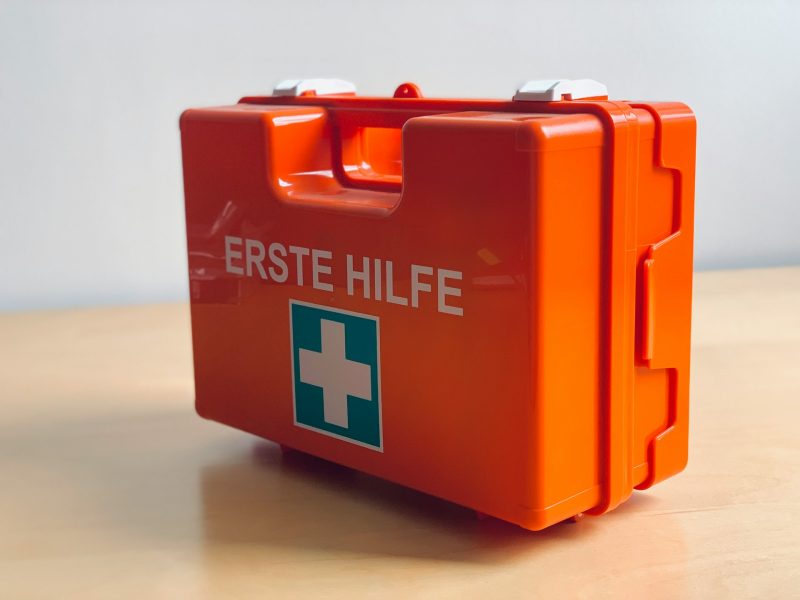
The non-food components of a basic emergency kit address the practical demands of managing safety, communication, and minor medical needs during a period when normal household systems and services may be unavailable. A well-stocked first aid kit goes beyond the basic adhesive bandages and antiseptic wipes of a standard household kit to include materials appropriate for more significant injuries such as gauze pads, medical tape, elastic bandages, and a basic first aid reference guide for household members who may need to manage wounds or injuries without immediate access to professional medical care. A reliable flashlight with an adequate supply of fresh batteries, or ideally a hand-crank or solar-powered alternative that eliminates battery dependency entirely, provides the illumination necessary to navigate the home safely during power outages and to signal for help if needed. A printed emergency contacts list stored in a waterproof bag addresses the often-overlooked vulnerability of households whose members rely entirely on smartphone contacts for this information, as a dead phone battery or a damaged device during an emergency makes digitally stored contact information completely inaccessible at precisely the moment it is needed most.
Special Items for Families
A generic emergency kit assembled from a standard checklist provides a useful foundation, but the households that are best prepared for emergencies are those that have taken the additional step of honestly assessing their specific composition and needs and supplementing the basics accordingly. Families with infants face a particularly acute version of this planning challenge, as babies are entirely dependent on caregivers for every aspect of their needs and the supplies required to meet those needs, including formula, prepared food, nappies, wipes, and any specialized feeding equipment, are not easily improvised or substituted. Running short of formula or nappies during an emergency when stores are closed and travel is restricted is a stressful and potentially serious situation that a modest investment in dedicated emergency supplies would entirely prevent. The rotating stock approach, where emergency supplies are drawn from and replenished as part of regular household purchasing rather than stored separately and forgotten, ensures that these perishable items remain fresh and available without requiring a separate tracking system.
Prescription medications and medical devices represent perhaps the most critical category of household-specific emergency supplies, as the consequences of interruption to essential medication regimens can range from significant discomfort to genuine medical emergency depending on the condition being managed. Maintaining at least a several-day supply of all prescription medications as a dedicated emergency reserve, renewed regularly to prevent expiration, requires coordination with healthcare providers and pharmacies but is an essential element of preparedness for any household member who depends on medication for chronic condition management. Pets are another household-specific consideration that emergency planning frequently overlooks until the moment of crisis, when the practical demands of managing an animal’s food, containment, and comfort during an evacuation or shelter-in-place scenario become immediately apparent. A pet emergency kit containing several days of food, fresh water, a leash or carrier, vaccination records, and a comfort item significantly reduces the difficulty of managing animal welfare during an emergency and ensures that pets can be included in evacuation plans without requiring improvisation under pressure. For children of any age, the inclusion of familiar comfort items such as a favorite book, a small toy, or a familiar blanket acknowledges the psychological dimension of emergency situations and provides caregivers with a practical tool for managing the anxiety and distress that young people experience when their normal routines and environments are suddenly disrupted.
Communication and Power Backup
Staying connected is critical in emergencies. Include:
- A fully charged power bank.
- A battery-powered or crank radio to receive updates.
- Extra chargers for mobile devices.
Keeping the Kit Updated
An emergency kit that was carefully assembled two or three years ago and has not been reviewed since provides a false sense of security that can be more dangerous than no kit at all, because a family that believes it is prepared may not take additional precautionary steps during a developing emergency situation that a genuinely well-stocked and current kit would have made unnecessary. Food items, medications, and batteries all carry expiration dates that are not arbitrary administrative formalities but genuine indicators of degraded performance or safety, and an emergency scenario is precisely the wrong context in which to discover that the canned goods in the kit have spoiled, the pain relievers have lost their efficacy, or the flashlight batteries have corroded and can no longer power the torch. Scheduling a kit review at least twice a year, conveniently timed to coincide with the semi-annual smoke detector battery checks or the spring and fall clock changes, creates a reliable and memorable rhythm that ensures the review actually happens rather than being perpetually deferred as a non-urgent task competing with more immediate household demands. During each review, every consumable item should be physically inspected against its expiration date, with anything within a few months of expiry replaced immediately rather than left to be addressed at the next review cycle.
Beyond the consumables, a thorough kit update addresses the less obvious ways in which a household’s emergency preparedness needs evolve over time as the family’s composition, medical circumstances, and contact network change. A kit assembled before the arrival of a new baby, the adoption of a pet, or a family member’s new prescription medication requirement may be missing critical supplies that have become essential since the original assembly. Emergency contact lists should be reviewed and updated to reflect any changes in phone numbers, addresses, or the designated out-of-province contact that families are advised to identify as a communication hub during regional disasters when local networks may be overwhelmed. Every member of the household who is old enough to understand the kit’s purpose should know exactly where it is stored and how to access it independently, as an emergency that separates family members or incapacitates the adult who assembled the kit requires others to be able to locate and use its contents without assistance. Treating the semi-annual review as a brief family activity rather than a solo administrative task reinforces this shared awareness while also providing an opportunity to discuss and update the household’s broader emergency plan in a calm and unhurried context.
Final Thoughts
A home emergency preparedness kit is a simple yet vital step toward protecting your family. By planning ahead and personalising your kit, you’ll be ready for unexpected situations with confidence and peace of mind.
FAQ
How often should I update my emergency kit?
It’s best to check your kit every six months and replace expired food, water, and medicines.
Where should I keep my kit?
Store it in an accessible spot known to all family members, ideally near the exit.
Do I need more than one kit?
Yes, having smaller kits in your car or workplace can be helpful in case emergencies happen away from home.
Comments