
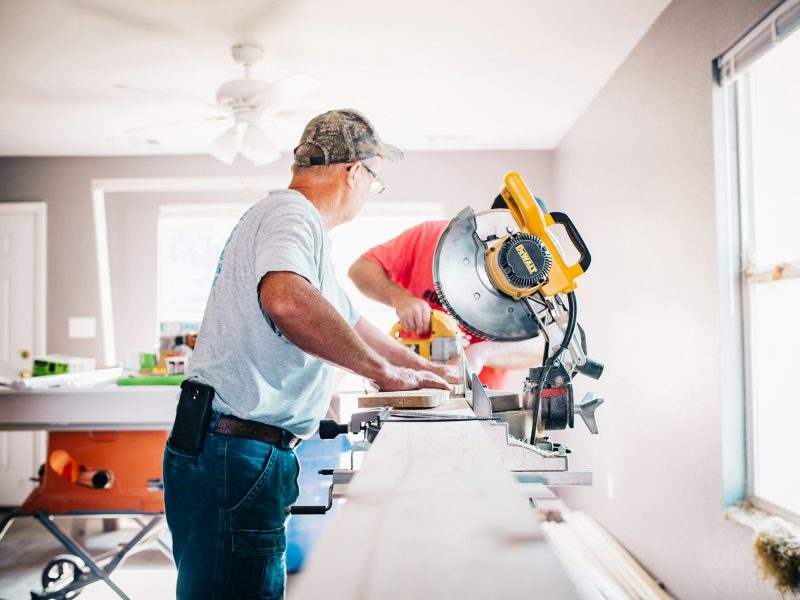
Homeownership comes with pride, comfort, and responsibility. While many people stay on top of big maintenance tasks, smaller issues often slip through the cracks. Unfortunately, the most overlooked home repairs can turn into expensive problems if ignored. From leaky faucets to damaged roofs, addressing small issues early can save thousands of dollars down the road.
This guide takes a closer look at the most overlooked home repairs that homeowners in British Columbia and across Canada should never ignore. By learning what to watch for, people can keep their homes safe, efficient, and valuable.
Why Home Repairs Are Often Overlooked
The psychology of deferred home maintenance is rooted in a combination of optimism, busyness, and the invisible nature of many developing problems that makes it genuinely easy to rationalize postponement without feeling irresponsible. A dripping faucet that has been dripping at the same steady rate for three months feels stable and contained, a cracked shingle is invisible from ground level and easy to forget between roof inspections, and a slightly soft spot in a bathroom floor can be navigated around for months before it becomes impossible to ignore. The compounding effect of this rationalization across multiple small issues simultaneously is a home that is quietly accumulating deferred maintenance debt that will eventually demand repayment at a cost dramatically higher than early intervention would have required. Homeowners who do not know what signs of developing problems look like are at a particular disadvantage, because they cannot act on information they do not have, making basic literacy about common home failure modes one of the most practical investments a new homeowner can make in the long-term health of their property.
The financial anxiety that surrounds home repairs is itself a significant driver of avoidance behavior, as many homeowners delay calling a professional because they fear the cost of the assessment will confirm an expense they are not currently prepared to meet. The cruel irony of this reasoning is that the delay almost invariably increases the total cost of the eventual repair, transforming a manageable early-stage intervention into a complex and expensive remediation of damage that has had time to spread, worsen, and affect adjacent systems and materials. A homeowner who understands this dynamic clearly, who recognizes that every week of delay on a known issue is a financial decision with a predictable and negative outcome, is in a much stronger position to overcome the psychological resistance to acting promptly. Building a dedicated home maintenance fund that makes repair costs feel anticipated and budgeted rather than surprising and catastrophic is perhaps the most practical structural change a homeowner can make to overcome the avoidance patterns that deferred maintenance consistently exploits.
Plumbing Issues That Escalate Quickly
Leaky Faucets and Pipes
A leaky faucet may waste hundreds of litres of water each year. While the sound is annoying, many people delay fixing it. Over time, water damage and higher bills add up. A simple washer replacement can prevent costly repairs.
Clogged Drains
Slow drains are another overlooked problem. People often ignore them until a full blockage occurs. Professional drain cleaning costs far less than emergency plumbing services.
Running Toilets
A toilet that won’t stop running may seem harmless. Yet, it can increase water bills by hundreds of dollars annually. Replacing a flapper or valve early prevents waste.
Roof Repairs That Save Thousands
Missing or Damaged Shingles
Strong winds, heavy rain, and snow take a toll on roofs. A single missing shingle can allow water to seep inside, leading to rot and mould. Regular inspections keep roofs in good shape.
Clogged Gutters
When gutters fill with leaves and debris, water backs up and damages siding and foundations. Cleaning gutters twice a year prevents major structural repairs.
Small Leaks
Water stains on ceilings or walls are warning signs. Even small leaks spread quickly, weakening insulation and wood framing. Fixing leaks early costs a fraction of replacing a roof.
Electrical Concerns That Shouldn’t Wait
Faulty Outlets
An electrical outlet that sparks visibly when a plug is inserted, feels warm to the touch during normal use, or produces a burning smell at any point is communicating a clear and urgent warning that the wiring or components at that location are operating outside safe parameters and require immediate professional attention. The warmth that homeowners sometimes notice around outlet covers is caused by resistance heating within connections that have become loose, corroded, or overloaded, a condition that generates heat continuously within the wall assembly whether or not anything is plugged into the outlet at a given moment. This persistent heat source within a cavity filled with wood framing, insulation, and other combustible materials is precisely the mechanism by which residential electrical fires ignite, and the insidious quality of this process is that it can progress to ignition without producing any visible external warning sign until a fire is already underway within the wall. Replacing a faulty outlet and inspecting the associated wiring is a straightforward task for a licensed electrician and an inexpensive one relative to the consequences of allowing the condition to persist unaddressed.
Flickering Lights and Old Electrical Panels
Flickering lights are consistently misread by homeowners as a minor cosmetic nuisance or a sign that a bulb is reaching the end of its life, when in reality persistent or widespread flickering is one of the most accessible indicators that something more significant is occurring within the electrical system. A single bulb that flickers intermittently in a single fixture is almost certainly a loose bulb connection or a failing bulb, both of which are trivial to address. Flickering that affects multiple lights on the same circuit, that correlates with the operation of a large appliance, or that has no obvious localized cause points instead to loose connections within the wiring, overloaded circuits drawing more current than the wiring can handle cleanly, or problems at the panel level that require professional diagnosis. Older homes in BC that still operate on electrical panels manufactured several decades ago face a compounding version of this risk, as these panels were designed for the electrical loads of an era before the proliferation of high-draw devices, electric vehicle chargers, and home office equipment that modern households routinely run simultaneously. Upgrading an outdated panel to one with sufficient capacity and modern safety features is a significant investment that pays for itself immediately in reduced fire risk, improved insurance eligibility, and the ability to support the electrical demands of contemporary household life without constantly stressing a system designed for a fundamentally different era.
Structural Issues That Hide in Plain Sight
Cracks in Walls and Foundations
Small cracks often seem cosmetic, but they may signal foundation movement. Left unchecked, foundation repairs can cost tens of thousands. Early assessments save money.
Sagging Floors
Uneven floors suggest problems with joists or foundations. Repairing them early avoids extensive structural work.
Rotting Wood
Rot in decks, window frames, or siding may spread quickly. Replacing small sections prevents larger repairs.
HVAC Repairs That Improve Comfort
Dirty Filters
One of the most overlooked home repairs is changing HVAC filters. Clogged filters strain systems, increase energy costs, and reduce air quality.
Unusual Noises
Strange sounds from furnaces or air conditioners often mean loose parts or worn belts. Quick repairs prevent breakdowns during extreme weather.
Neglected Maintenance
Skipping annual inspections can lead to costly replacements. Professional servicing keeps heating and cooling systems running efficiently.
Water Damage Risks
Basement Leaks
Basement moisture is one of the most consequential and most systematically underestimated maintenance issues in BC homes, partly because basements are visited less frequently than living spaces and partly because the early stages of moisture intrusion present subtly enough that they are easy to attribute to normal condensation or seasonal humidity rather than recognizing them as indicators of a developing waterproofing failure. By the time a homeowner notices a musty odour in the basement, visible mould growth on walls or stored belongings, or efflorescence, the white mineral deposits that appear on concrete walls as water moves through them, the moisture intrusion has typically been occurring for long enough that remediation is more involved than a simple surface treatment would address. The structural implications of persistent basement moisture extend beyond mould and odour to include the gradual deterioration of framing members, the corrosion of metal fasteners and mechanical components, and the undermining of insulation effectiveness as moisture-laden insulation loses its thermal resistance properties. Professional waterproofing, whether through interior drainage systems, exterior membrane application, or improved grading and drainage around the foundation, addresses the source of the problem rather than managing its symptoms and provides lasting protection that surface treatments alone cannot deliver.
Poor Drainage and Damaged Caulking
Water that pools consistently against or near a home’s foundation after rainfall is performing a slow but relentless assault on the structural integrity of the building from the outside in, saturating the soil that provides lateral support to the foundation walls and creating the hydrostatic pressure conditions that eventually force water through any crack or gap in the concrete or block assembly. Proper grading that directs surface water away from the building and functional drainage systems that intercept and redirect subsurface water before it reaches the foundation are the two most effective physical interventions available for managing this risk, and both are considerably less expensive to establish and maintain than the foundation repairs that inadequate drainage eventually necessitates. Damaged or absent caulking around windows, doors, and any other penetration in the building envelope represents a related but more immediately addressable water intrusion risk, as these gaps allow liquid water to enter the wall assembly during rain events and accumulate within the framing cavity where it cannot evaporate effectively and where it creates ideal conditions for wood rot and mould development. Reapplying caulk is among the least expensive maintenance tasks a homeowner can perform, requiring only a tube of quality exterior caulk, a caulking gun, and an hour or two of careful application, making the cost-benefit calculation overwhelmingly in favor of addressing caulking failures promptly rather than allowing water intrusion to establish itself within the wall assembly.
Exterior Repairs That Protect Value
Peeling Paint
Paint protects siding from moisture. When paint peels, wood and trim rot. A fresh coat prevents costly replacements.
Cracked Driveways
Small cracks in driveways allow water to seep in and freeze. Repairs are simple early but expensive when cracks spread.
Broken Fences
A leaning or damaged fence may not seem urgent. Yet, repairs prevent bigger problems like full replacements or property disputes.
The True Cost of Ignoring Small Repairs
The financial mathematics of deferred home maintenance are unambiguous and consistently unfavorable to the homeowner who chooses to wait, yet the pattern of delay and escalation repeats itself in properties across the province because the immediate cost of a repair always feels more real and more pressing than the theoretical future cost of a more serious problem that has not yet materialized. A dripping faucet wasting several litres of water per day may add only a modest amount to the monthly water bill, making it easy to tolerate while other priorities compete for attention and discretionary budget. But the same drip, if it originates from a connection within a cabinet or wall, is introducing moisture into a confined space where it saturates wood cabinetry, promotes mould growth, and eventually compromises the structural integrity of the surrounding assembly in ways that turn a hundred-dollar plumbing fix into a multi-thousand-dollar remediation project encompassing cabinet replacement, mould treatment, and potentially drywall repair. The escalation follows a predictable pattern in virtually every category of deferred maintenance, with the ratio of eventual repair cost to early intervention cost growing steadily with the duration of the delay.
The gutter and foundation example illustrates this cost escalation principle in perhaps its starkest form, because the causal chain from a blocked gutter to a compromised foundation is direct, well-documented, and entirely preventable through maintenance that costs a fraction of a percent of the eventual repair bill. Gutters that cannot drain effectively overflow at their edges and direct large volumes of roof runoff directly against the foundation wall and into the soil immediately adjacent to it, replicating on a concentrated and repeated basis precisely the drainage failure that foundation waterproofing systems are designed to prevent. Over seasons and years, this moisture loading saturates the surrounding soil, increases hydrostatic pressure against the foundation, and introduces water into any crack or joint in the concrete where freeze-thaw cycling then widens the breach incrementally with each winter. The furnace filter example completes the picture at the mechanical system level, where a filter costing less than fifty dollars, neglected across multiple seasons, forces a furnace to work against progressively increasing airflow resistance that strains the heat exchanger, overheats the blower motor, and shortens the operational life of a system that would otherwise provide reliable service for many additional years. In each of these cases the arithmetic is clear, and the homeowner who internalizes it transforms their approach to small repairs from reluctant reaction into proactive self-interest.
How to Stay on Top of Repairs
Staying consistently ahead of home maintenance requires converting good intentions into reliable systems, because intentions alone are inevitably defeated by the competing demands of daily life that make it easy to defer non-urgent tasks indefinitely. Scheduling seasonal home inspections on the household calendar at the same time every year, ideally in spring and fall when the effects of the preceding season can be assessed and preparations made for the next, creates a structured opportunity to walk through the property systematically and document anything that requires attention before it progresses further. A written checklist organized by area of the home, covering roofing, gutters, foundation perimeter, windows, doors, mechanical systems, plumbing fixtures, electrical components, and interior surfaces, ensures that the inspection covers the full scope of the property rather than focusing only on areas that are already known to have issues. Photographing any developing concerns during the inspection creates a dated visual record that makes it straightforward to determine at the next inspection whether a crack, stain, or surface deterioration has changed in size or character, providing exactly the kind of objective comparison that distinguishes a stable cosmetic issue from a developing structural one.
Acting quickly when warning signs appear is the discipline that converts a good inspection system into genuinely effective maintenance outcomes, and developing the habit of treating newly identified issues as time-sensitive rather than optional is the behavioral shift that most reliably prevents small repairs from becoming large ones. A homeowner who finishes a seasonal inspection with a written list of items to address and then contacts qualified tradespeople within the following week is in a fundamentally different position from one who makes the same list and then allows it to sit while the items on it continue to develop. Engaging licensed professionals for specialized work, rather than attempting repairs that exceed one’s skill level, is an equally important component of this approach, as amateur repairs that address the visible symptom without correctly resolving the underlying cause can mask a developing problem while allowing it to continue progressing unseen. The combination of seasonal inspection, written documentation, prompt action, and appropriate professional engagement creates a maintenance culture around the home that consistently catches issues at the stage where they are least expensive and least disruptive to resolve.
Final Thoughts
The most overlooked home repairs may seem minor at first, but they carry big risks. From plumbing and roofing to electrical and HVAC systems, ignoring repairs often leads to higher costs, safety hazards, and reduced property value. Staying on top of these repairs protects both comfort and investment. For homeowners in British Columbia, trusted professionals make all the difference.
Home Services BC connects people with reliable contractors, electricians, roofers, and more, ensuring homes stay safe and strong. Don’t wait until small problems become major bills. Start tackling the most overlooked home repairs today and enjoy peace of mind tomorrow. Ready to protect your home and avoid costly surprises? Visit Home Services BC to find trusted local experts who can handle repairs big and small. Take action today, your future self will thank you!
Comments